
Male Fern
Dryopteris filix-mas
- Native to:
- Afghanistan, Albania, Algeria, Austria, Baleares, Baltic States, Belarus, Belgium, Bulgaria, Canada, China, Corse, Czechia-Slovakia, Denmark, Finland, France, Germany, Great Britain, Greece, Greenland, Hungary, Iceland, India, Iran, Ireland, Italy, Kazakhstan, Kirgizstan, Kriti, Krym, Labrador, Mexico, Morocco, Netherlands, North Caucasus, Norway, NW. Balkan Pen., Pakistan, Poland, Portugal, Romania, Russia, Sicilia, Spain, Sweden, Switzerland, Transcaucasus, Tunisia, Türkiye, Türkiye-in-Europe, Ukraine, United States, Uzbekistan
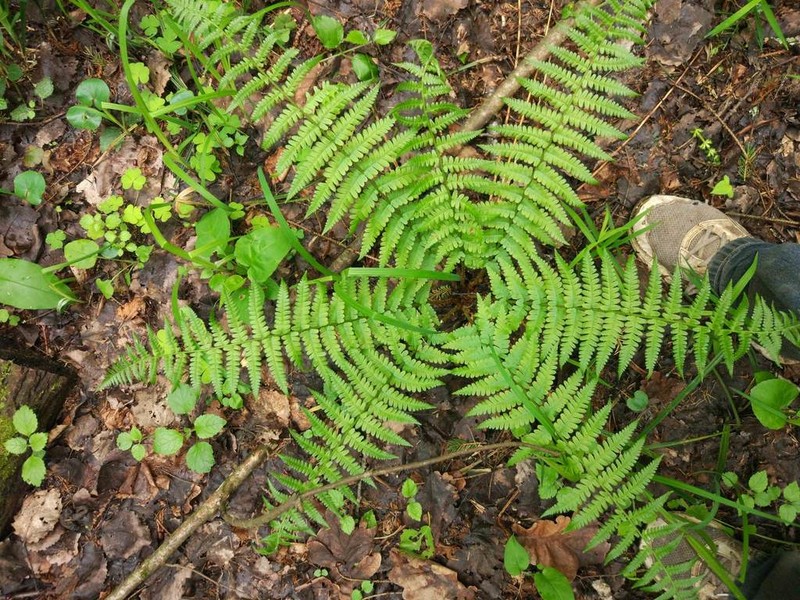
iNaturalist: © sansan_94 (iNaturalist #47950917)
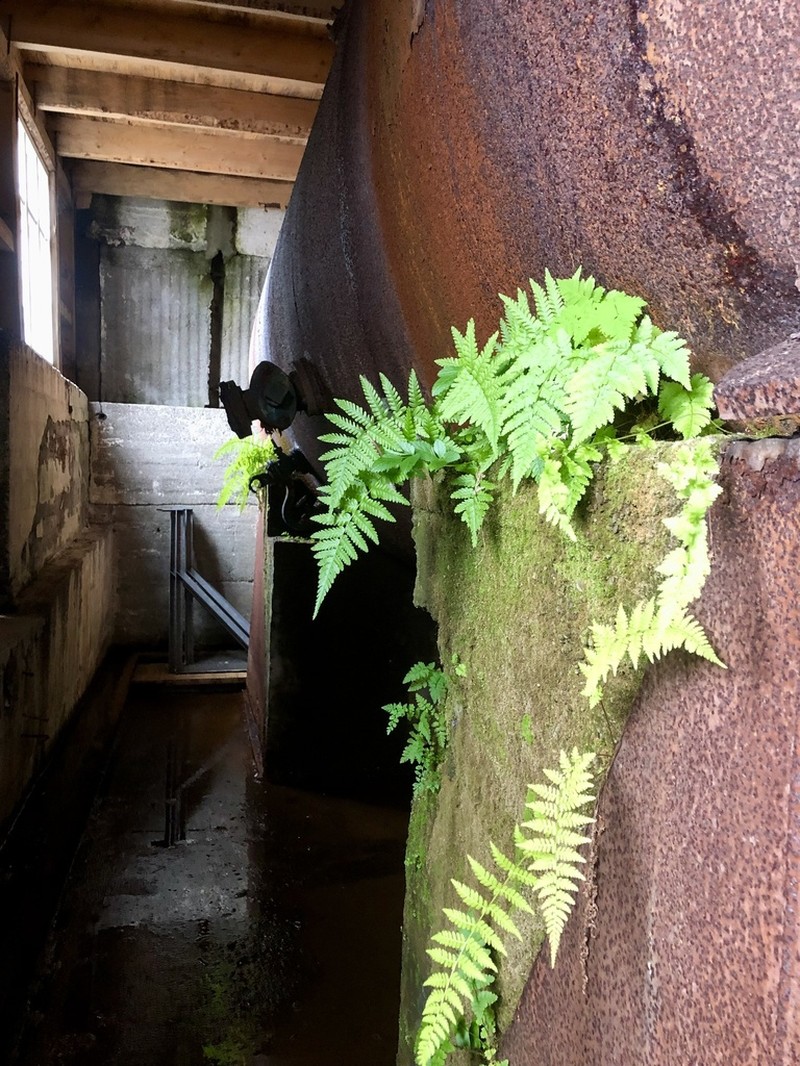
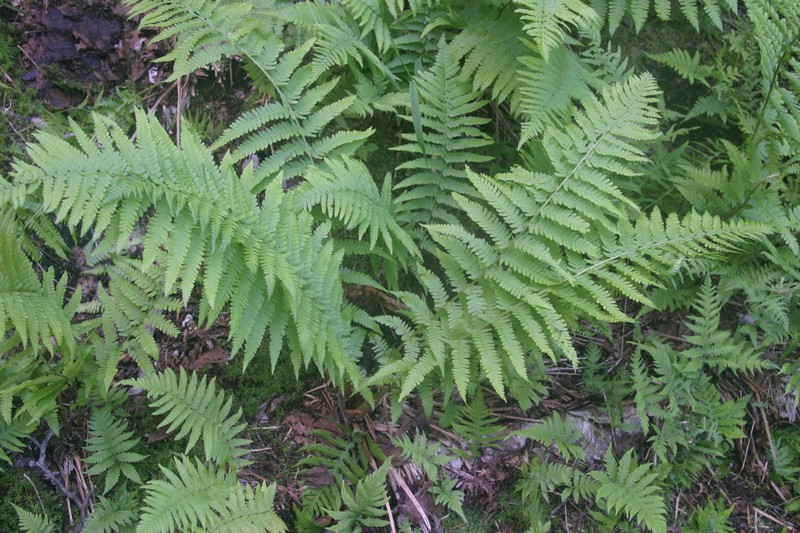
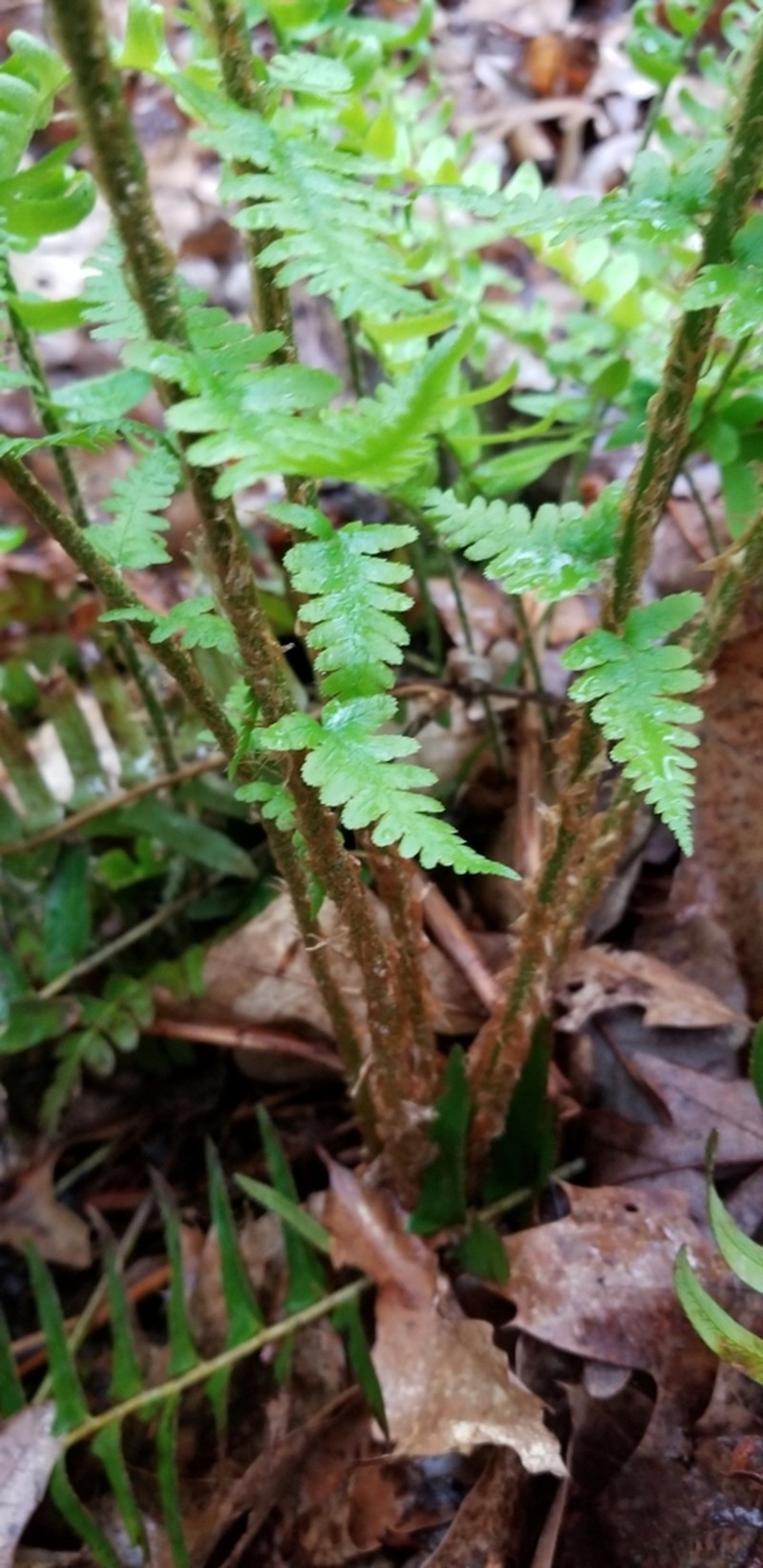
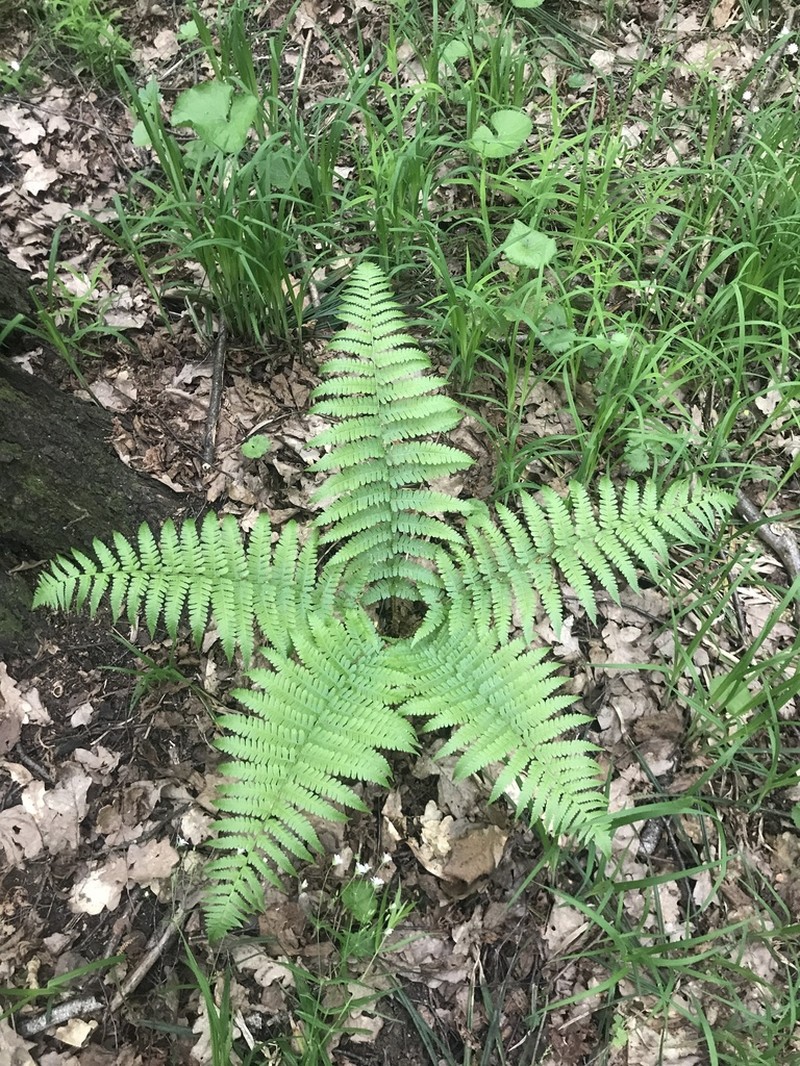
Taxonomy
- Division:
- Pteridophyta | - Ferns
- Family:
- Polypodiaceae
- Genus:
- Dryopteris
- Species:
- Dryopteris filix-mas
- USDA Symbol:
- DRFI2
Growth Characteristics
- Life Cycle:
- Perennial
- Growth Habit:
- Forb/herb
- Height:
- 120 cm
- Light Requirements:
- Part Shade
- Drought Tolerance:
- Medium
Wildlife Benefits
- Bees:
- ★☆☆☆☆ Documented bee visitation (GBIF)
- Butterflies & Moths:
- ★★★★★ Documented Lepidoptera association (GBIF)
- Caterpillars:
- ★☆☆☆☆ Recorded caterpillar host plant (HOSTS Database)
Keystone Species Ranking
- Caterpillar Keystone:
- ★☆☆☆☆ Butterfly & moth species supported by this genus (NWF)
Host Plant for Caterpillars
Garden & Ecology Notes
- Deer Resistant:
- Yes
Soil Requirements
- Soil Type:
- rich, well-drained loamy soil
- pH:
- 5.0 - 7.0 (slightly acidic to neutral)
- Drainage:
- tolerates poor drainage
- Moisture:
- consistently moist
- Notes:
- prefers shaded, woodland environments
Propagation & Germination
- Stratification:
- None required
- Notes:
- Spores germinate readily on moist, sterile medium; no pretreatment required.
Pre-treatment: Collect spores from the surface of paper and surface sow in sterilized flats filled with sterile, finely milled sphagnum peat moss. Water spores with distilled water and seal flats with clear plastic wrap to seal in moisture and prevent fungal contamination. Place flats under 60 watt soft incandescent lights set at 12 hour per day illumination.
Establishment: The plant is a circumboreal species, common in moist forests and stream banks, from lowland to mid-montane elevations. Spores germinate into heart-shaped prothalli, which grow for 10 to 12 weeks. The prothalli have reproductive structures; the antheridia (male) and archegonia (female), located along the margins and notch of the prothalli.
Source: npn.rngr.net