
Ladder Brake
Pteris vittata
- Native to:
- Algeria, Andaman Is., Angola, Australia, Azores, Baleares, Bangladesh, Bismarck Archipelago, Borneo, Botswana, Burundi, Cambodia, Cameroon, Canary Is., Cape Verde, China, Christmas I., Comoros, Cyprus, Djibouti, DR Congo, Eswatini, Ethiopia, Fiji, France, Ghana, Greece, Guam, Gulf of Guinea Is., India, Italy, Japan, Jawa, Kenya, Kriti, Laos, Lebanon-Syria, Lesotho, Lesser Sunda Is., Libya, Madagascar, Madeira, Malawi, Malaya, Maluku, Mauritius, Morocco, Mozambique, Myanmar, Namibia, Nansei-shoto, Nepal, New Caledonia, New Guinea, Nicobar Is., Oman, Pakistan, Palau, Palestine, Philippines, Réunion, Rwanda, Santa Cruz Is., Saudi Arabia, Sicilia, Socotra, Solomon Is., Somalia, South Africa, Spain, Sri Lanka, Sudan-South Sudan, Sulawesi, Sumatera, Taiwan, Tanzania, Thailand, Tonga, Transcaucasus, Tunisia, Türkiye, Uganda, Vanuatu, Vietnam, Yemen, Zambia, Zimbabwe
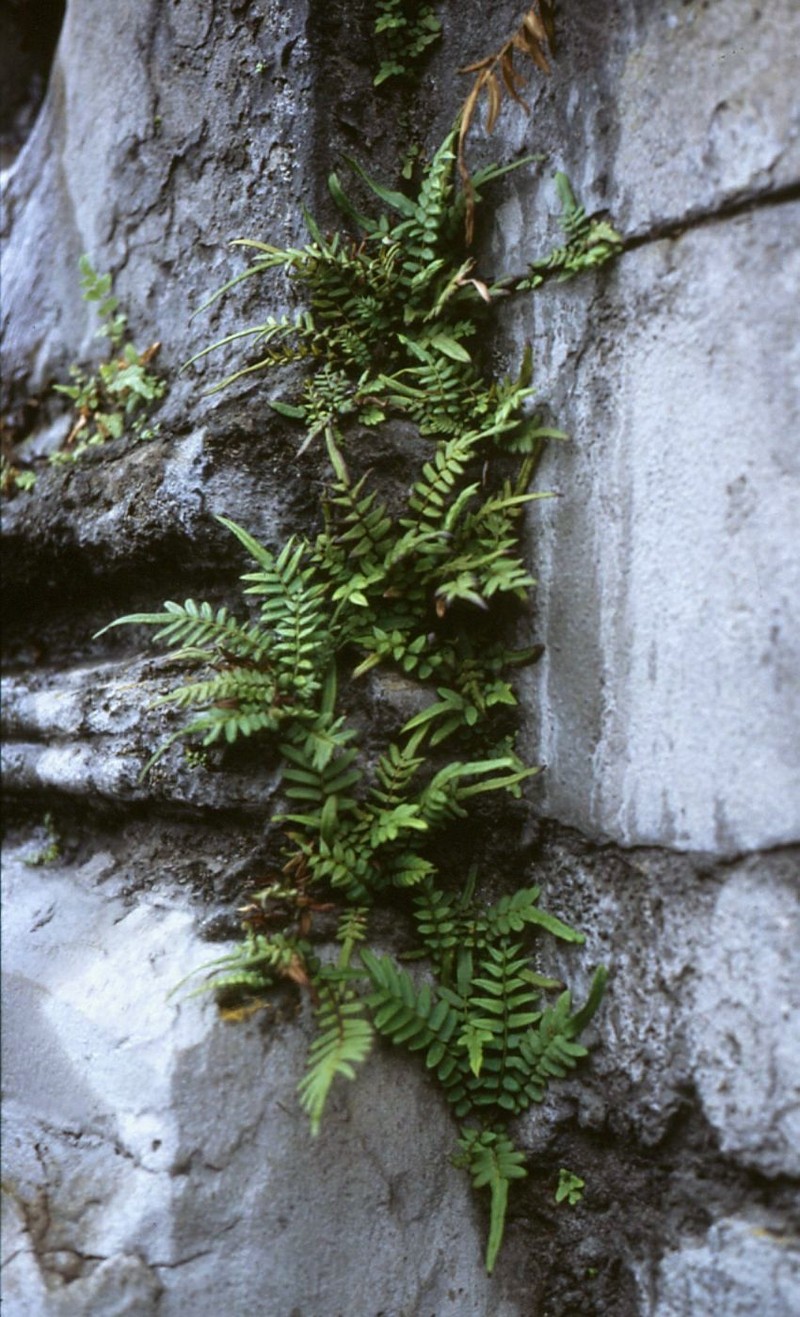
Franz Xaver
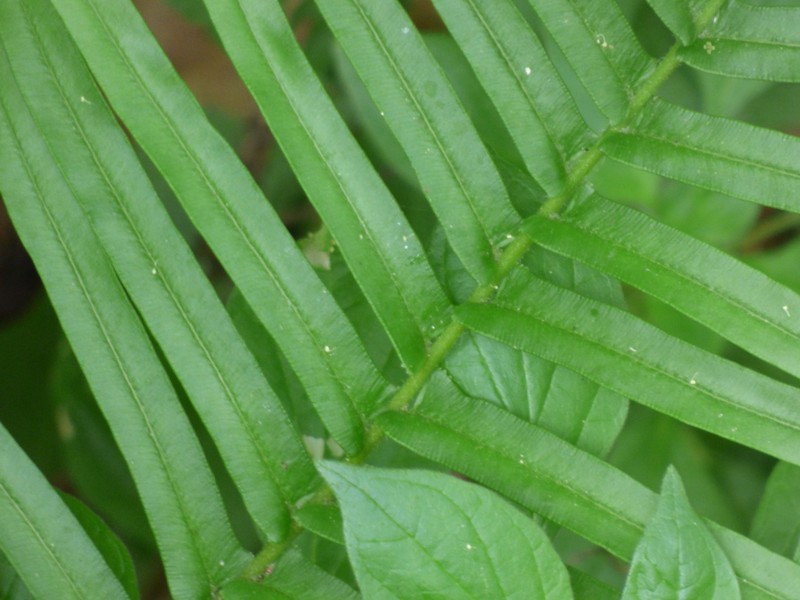
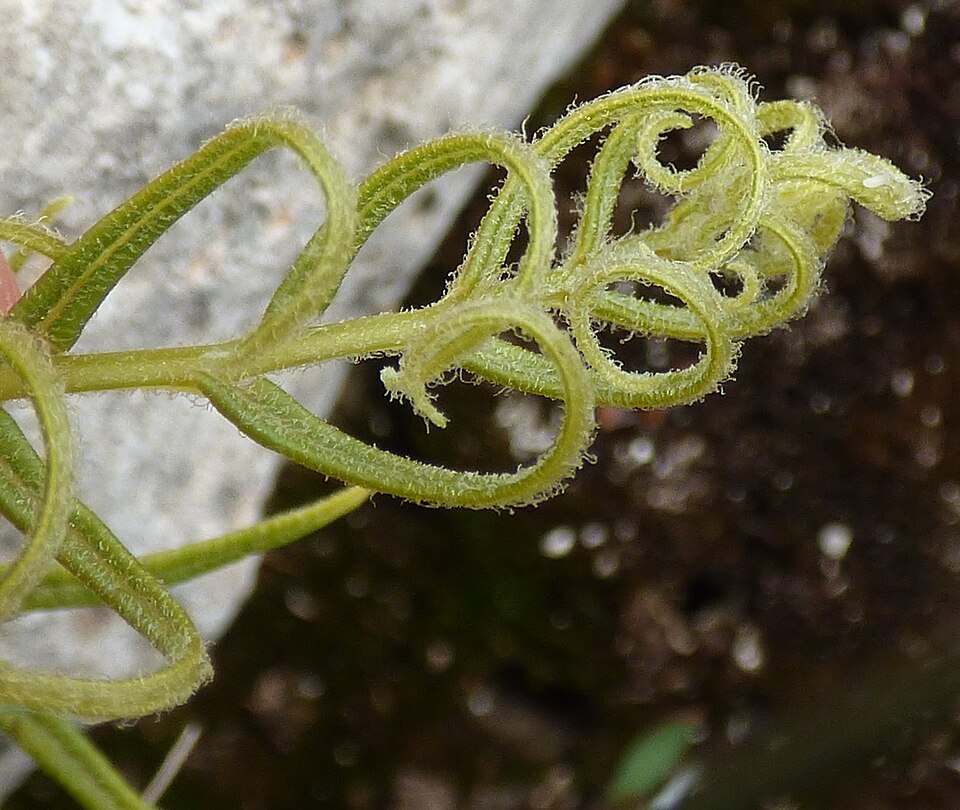
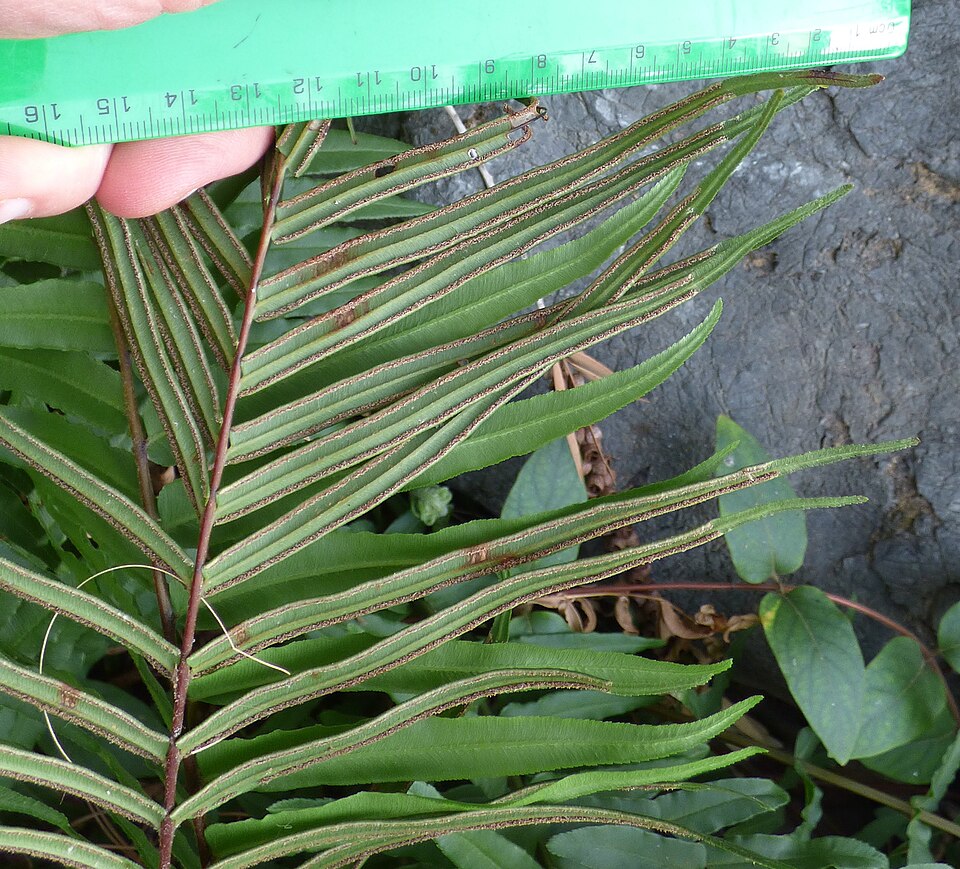
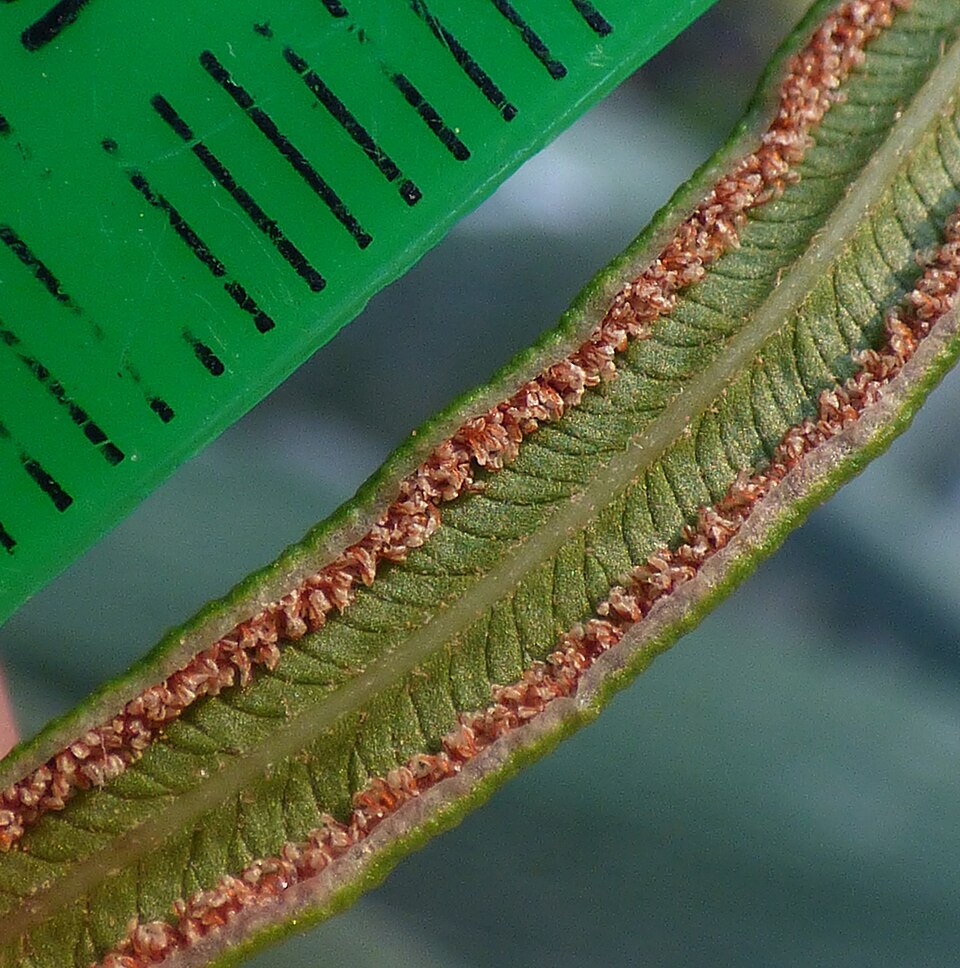
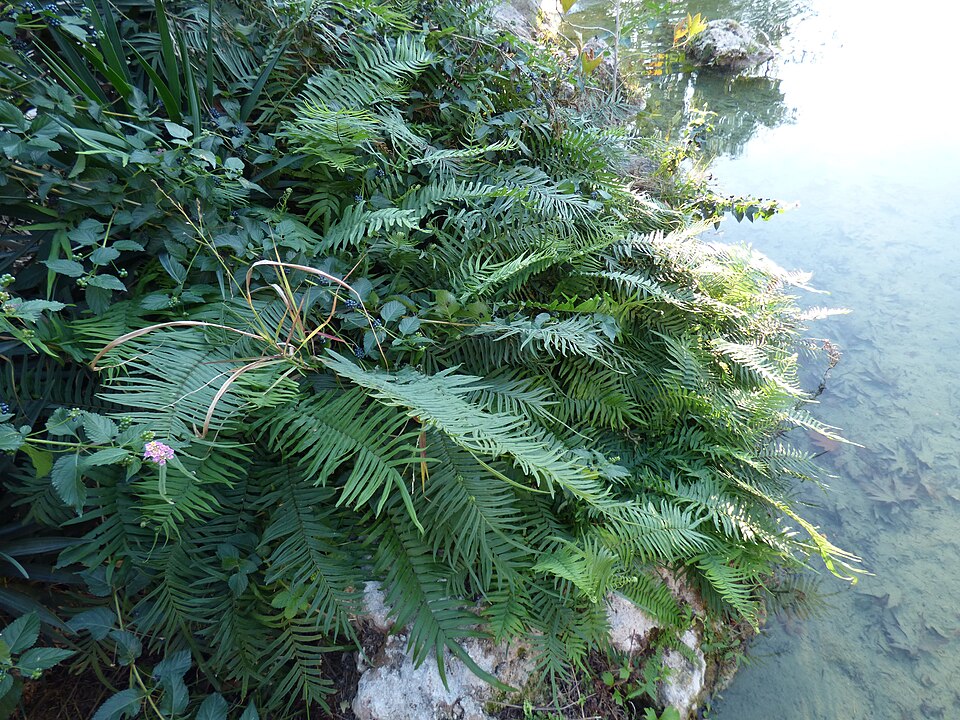
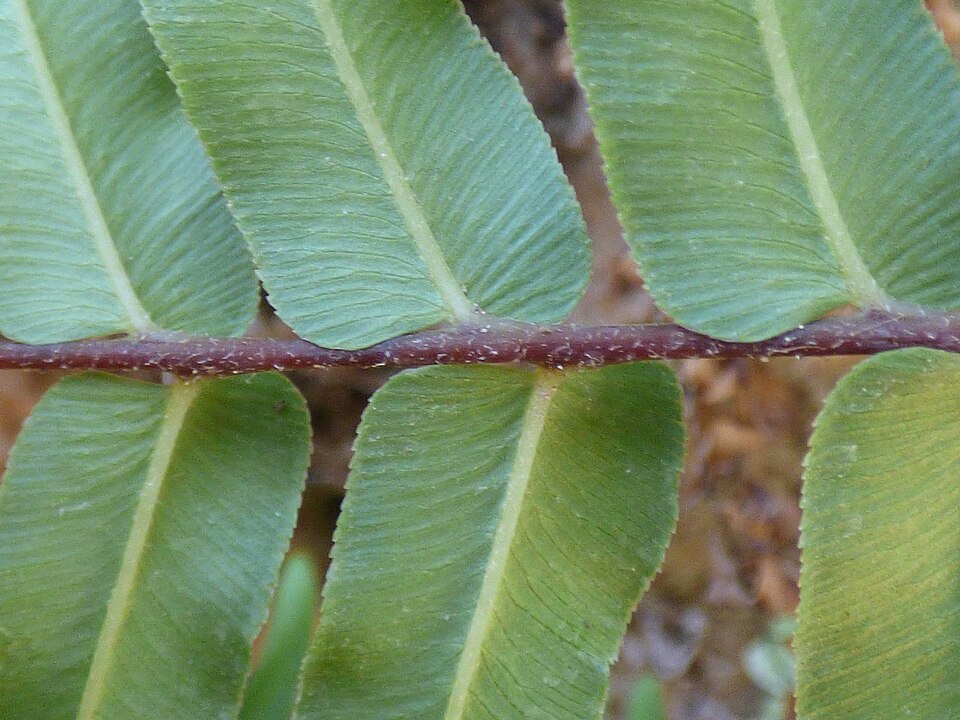
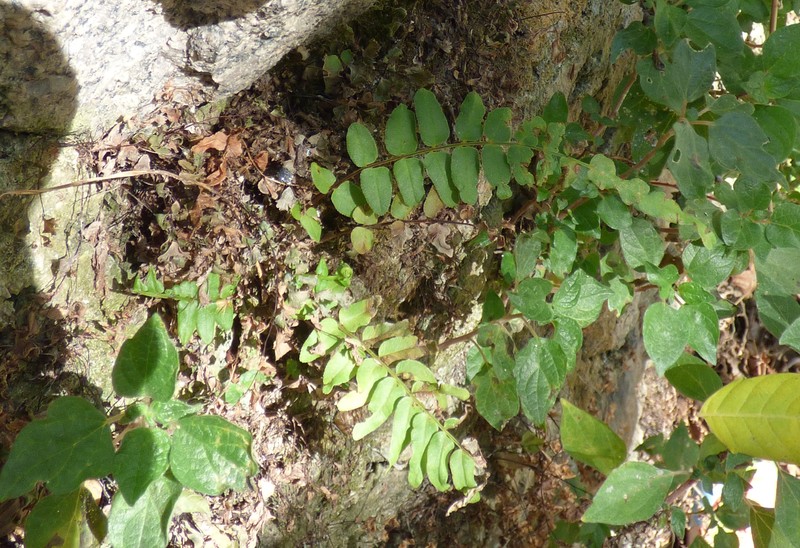
Taxonomy
- Division:
- Pteridophyta | - Ferns
- Family:
- Pteridaceae
- Genus:
- Pteris
- Species:
- Pteris vittata
- USDA Symbol:
- PTVI
Growth Characteristics
- Life Cycle:
- Perennial
- Growth Habit:
- Forb/herb
- Height:
- 100 cm
- Light Requirements:
- Part Shade
- Drought Tolerance:
- Low
Garden & Ecology Notes
- Deer Resistant:
- Yes
Soil Requirements
- Soil Type:
- sandy, well-drained, nutrient-poor soil
- pH:
- 5.5 - 7.5 (slightly acidic to neutral)
- Drainage:
- excellent drainage required
- Moisture:
- consistently moist
- Notes:
- Thrives in soils with high arsenic levels
Propagation & Germination
- Notes:
- Spores germinate readily on moist, calcareous substrate without pretreatment.