
Red Pine
Pinus resinosa
- Native to:
- Canada, United States
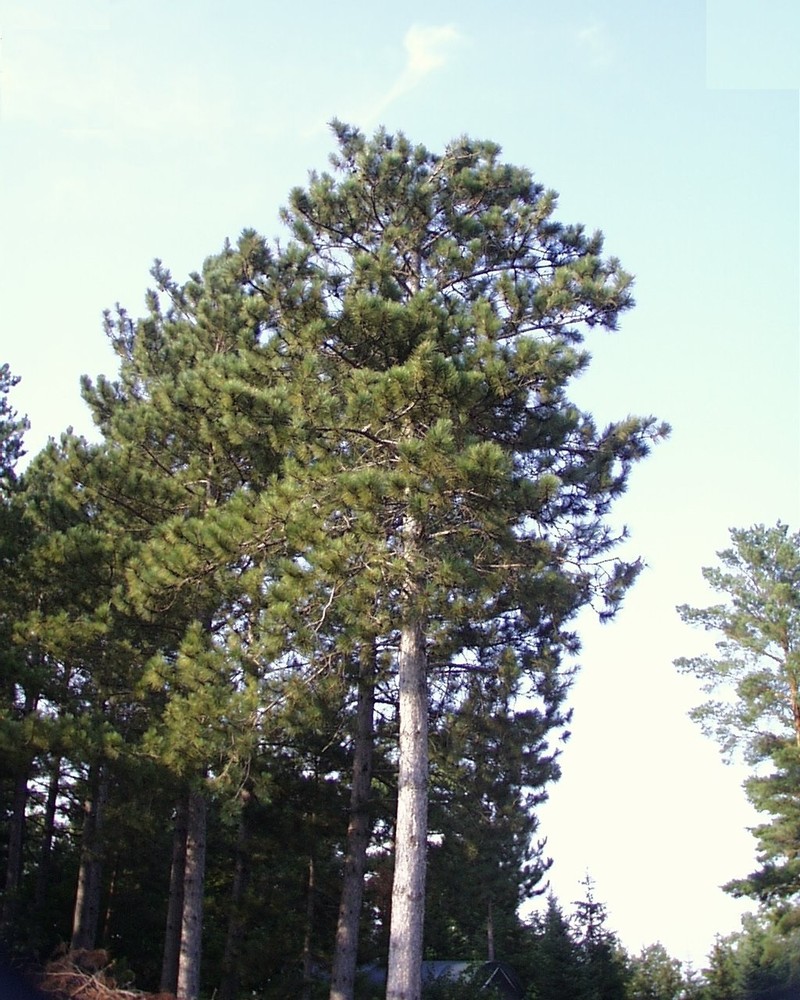
iNaturalist: © timlehman (iNaturalist #218477413)
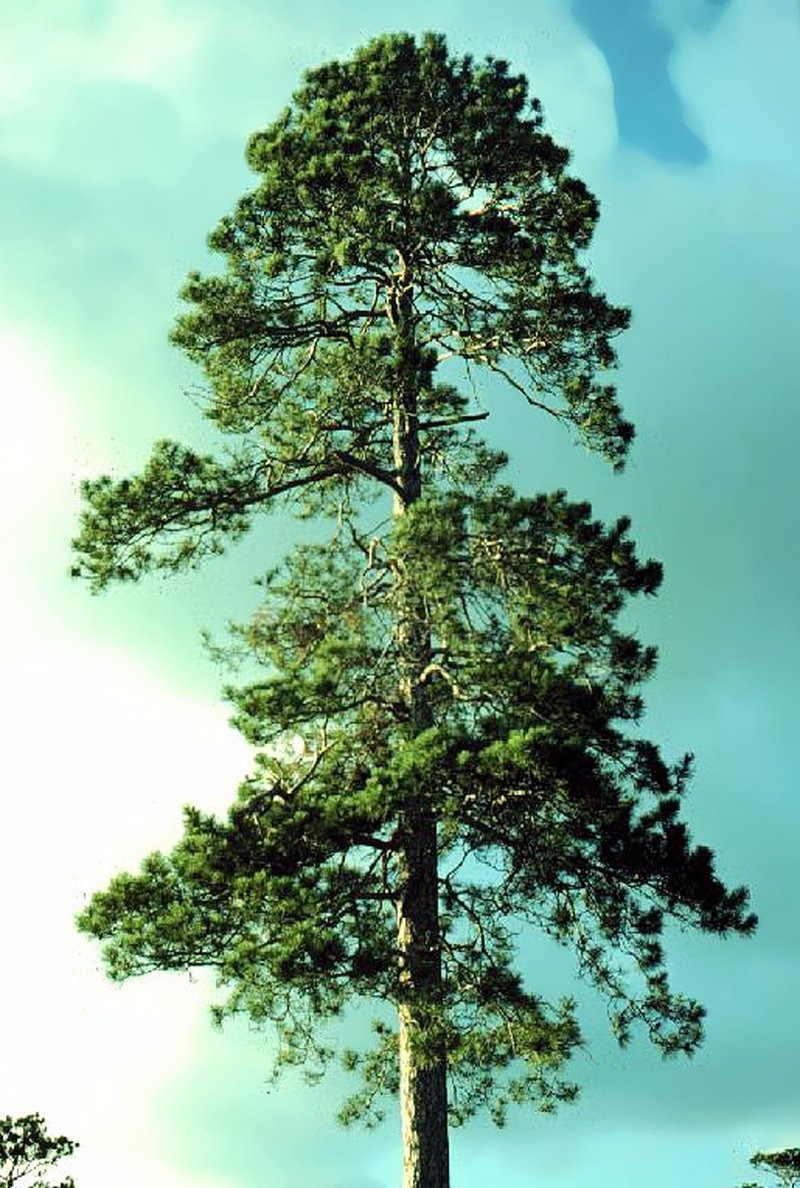
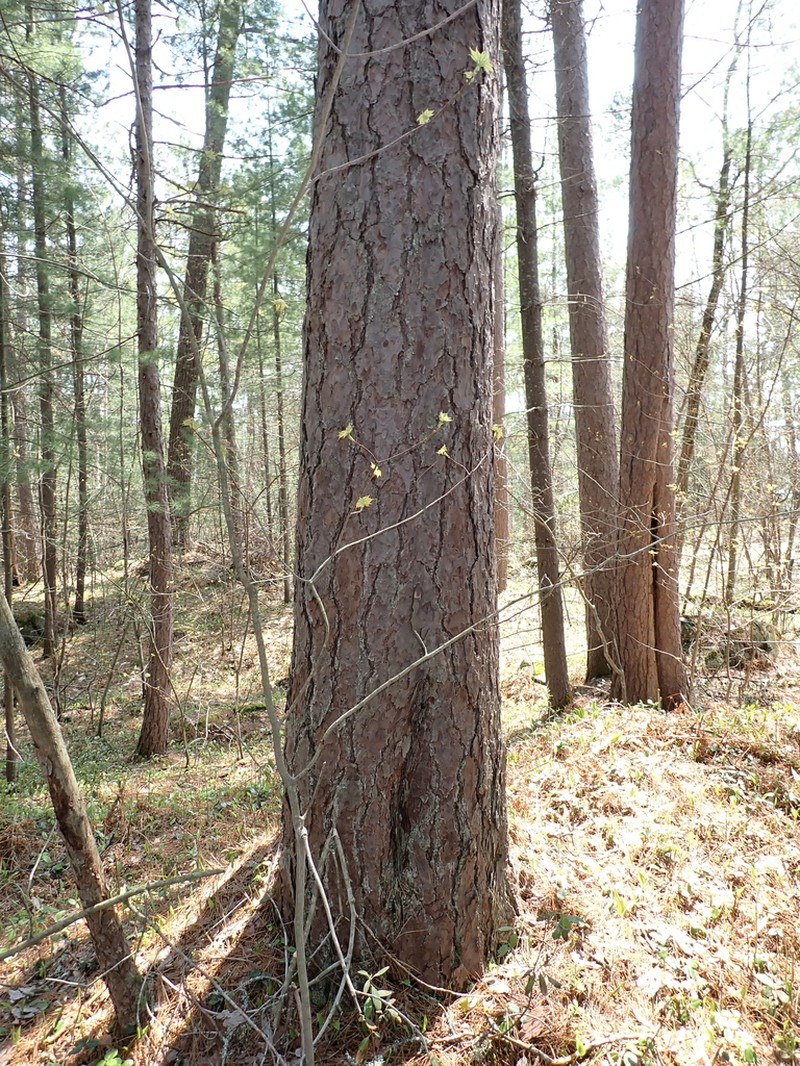
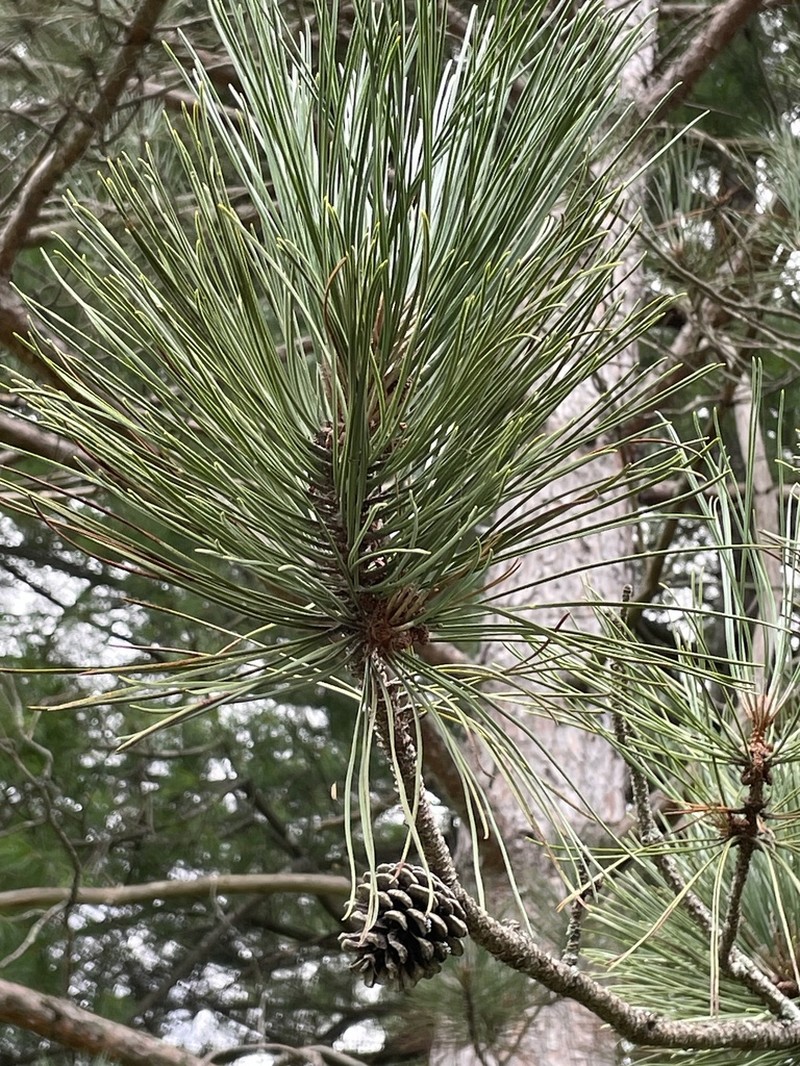
Taxonomy
- Division:
- Coniferophyta | - Conifers
- Family:
- Pinaceae
- Genus:
- Pinus
- Species:
- Pinus resinosa
- USDA Symbol:
- PIRE
Growth Characteristics
- Life Cycle:
- Perennial
- Growth Habit:
- Tree
- Height:
- 3000 cm
- Light Requirements:
- Full Sun
- Drought Tolerance:
- Medium
Wildlife Benefits
- Bees:
- ★☆☆☆☆ Documented bee visitation (GBIF)
- Butterflies & Moths:
- ★★★★★ Documented Lepidoptera association (GBIF)
- Caterpillars:
- ★★★★☆ Recorded caterpillar host plant (HOSTS Database)
Keystone Species Ranking
- Caterpillar Keystone:
- ★★★★★ Butterfly & moth species supported by this genus (NWF)
Host Plant for Caterpillars
Adana pine tip moth (Rhyacionia adana), Anacamptodes vellivolata, Aster Cutworm (Lithophane lepida), Black zigzag (Panthea acronyctoides), Corticivora clarki, Cydia coniferana, Cydia inopiosa, Cydia resinosae, Cydia toreuta, Dioryctria auranticella, Eastern Panthea (Panthea furcilla), eastern pine shoot borer (Eucosma gloriola), Eupithecia annulata, Eupithecia palpata, European pine shoot moth (Rhyacionia buoliana), Exoteleia nepheos, false sphinx (Lapara bombycoides), floral bud moth (Coleotechnites florae), Gypsy moth (Lymantria dispar), Imperial Moth (Eacles imperialis), jack pine budworm (Choristoneura pinus), Mournful Thorn (Lambdina fiscellaria), Nantucket pine tip moth (Rhyacionia frustrana), Northern Pine Tussock Moth (Dasychira plagiata), oblique zale (Zale obliqua), Petrova albicapitana, Petrova comstockiana, pine devil moth (Citheronia sepulcralis), pine false looper (Zale duplicata), Pine Needle Miner Moth (Coleotechnites resinosae), pine needleminer (Exoteleia pinifoliella), pine shoot moth (Ocnerostoma piniariella), Pine tip moth (Rhyacionia busckana), pine webworm (Pococera robustella), pitch pine looper (Lambdina pellucidaria), pitch pine tip moth (Rhyacionia rigidana), ponderosa twig moth (Dioryctria ponderosae), Porcelain Gray (Protoboarmia porcelaria), Red pinecone borer (Eucosma monitorana), Semiothisa bicolorata, Semiothisa minorata, Semiothisa transitaria, southern pine looper (Caripeta aretaria), Southern pine sphinx (Lapara coniferarum), sparganothis fruitworm moth (Sparganothis sulfureana), spruce coneworm (Dioryctria reniculella), three-streaked sparganothis moth (Sparganothis tristriata), Variable Climbing Cutworm (Xestia elimata), variegated midget (Elaphria versicolor), webbing coneworm moth (Dioryctria disclusa), western pine moth (Dioryctria cambiicola), Xestia praevia, Zale helata, Zale submediana, Zimmerman's coneworm (Dioryctria zimmermani), Eastern Tailed-Blue (Incisalia niphon)
Reported Fauna Sightings
Bees: Brown-belted bumble (Bombus griseocollis), Tri-colored bumble (Bombus ternarius) Moths:Arched Hooktip (Drepana arcuata), False hemlock looper (Nepytia canosaria), Pale Lichen Moth (Crambidia pallida)
Garden & Ecology Notes
- Wildlife Value:
- birds, small mammals
- Fire Ecology:
- Fire adapted — tolerates or benefits from fire
- Fire Notes:
- Thick bark provides moderate fire resistance; serotinous cones are not present, but fire can help regenerate stands by reducing competition.
Soil Requirements
- Soil Type:
- sandy, acidic, nutrient-poor soil
- pH:
- 4.5 - 6.0 (acidic to slightly acidic)
- Drainage:
- excellent drainage required
- Moisture:
- dry to moderate
- Notes:
- prefers well-drained upland sites
Propagation & Germination
- Stratification:
- Cold/moist stratification required — 30–60 days
- Germination Time:
- 14–30 days
- Notes:
- Seeds require cold stratification for 30-60 days to break dormancy; sow in spring.
Pre-treatment: Seeds are soaked in water for 24 hours and treated with Thiram fungicide.
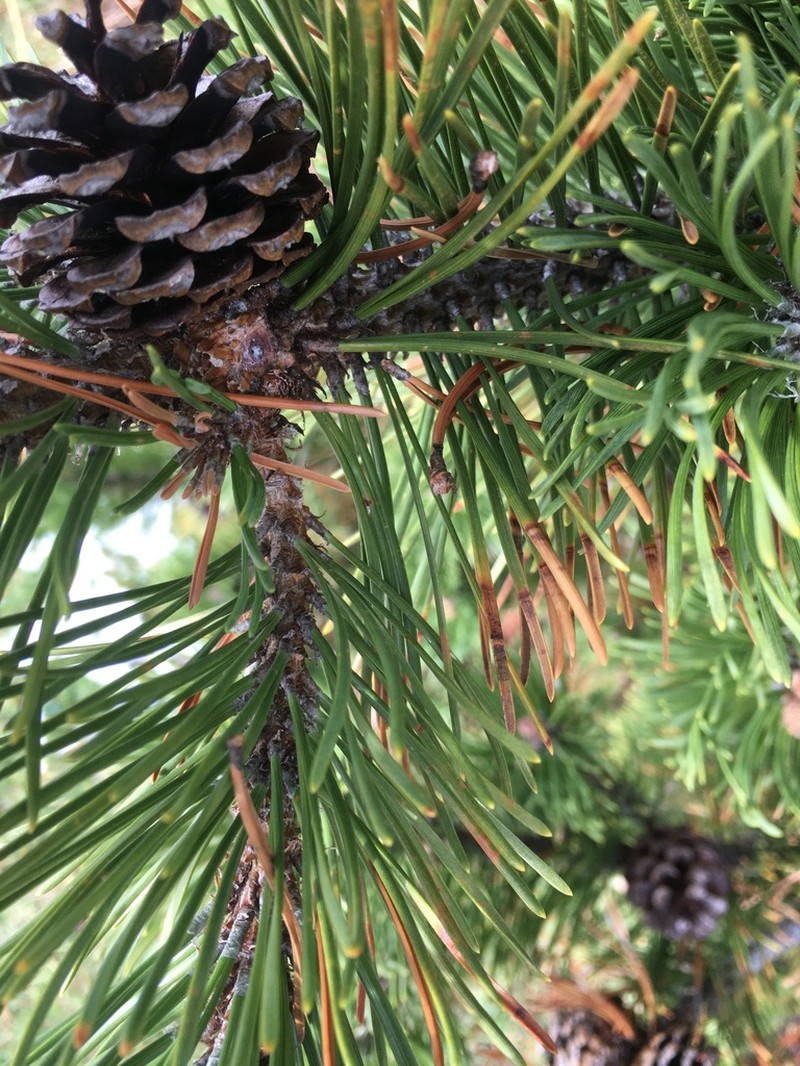
Establishment: Seeds are either purchased commercially or from local people who collect from established plantings near the nursery. Ovulate cones mature in two years, and are purplish-brown with red-brown scale tips, ovoid to nearly globose, 3.5 to 6 cm (1 to 2.5 in) long and are borne singly or in groups. Each cone contains several, brown, winged seeds.
Source: npn.rngr.net
Where to Buy
Nationwide Seller
- Sheffield's Seed (seeds)