
pitch pine
Pinus rigida
- Native to:
- Canada, United States, Virgin Islands
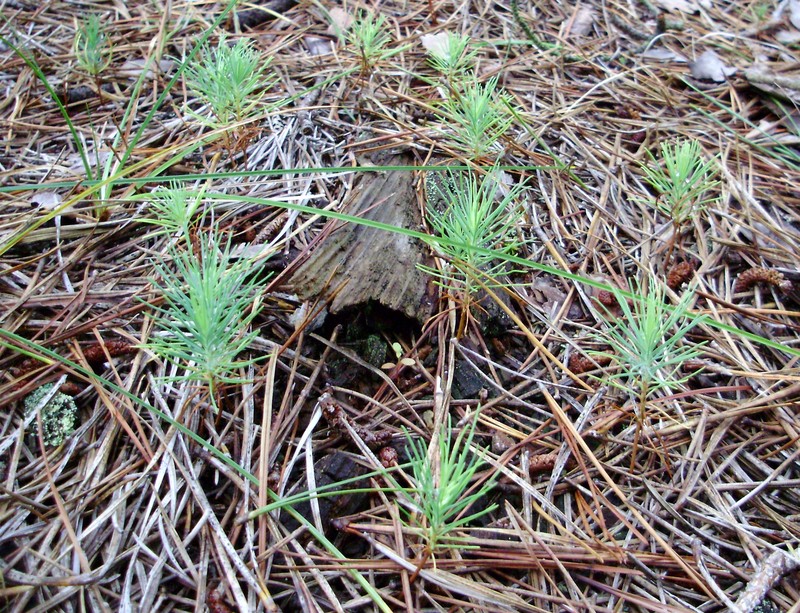
Robert Benner (www.flickr.com)
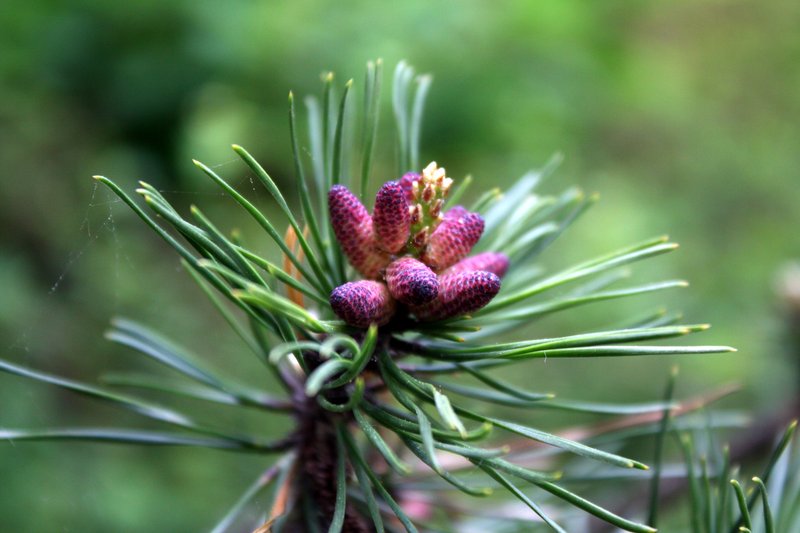
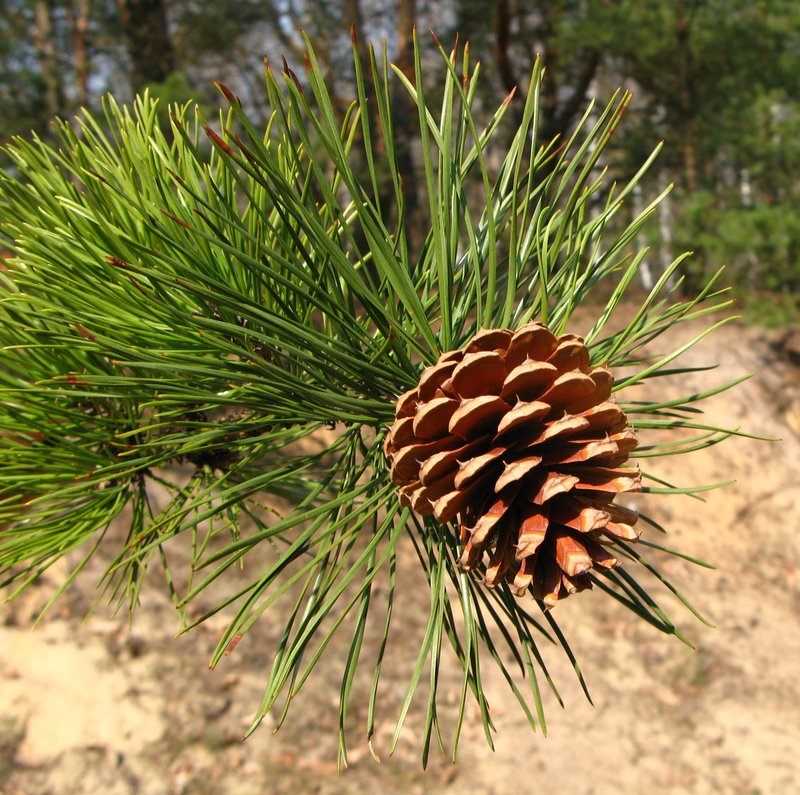
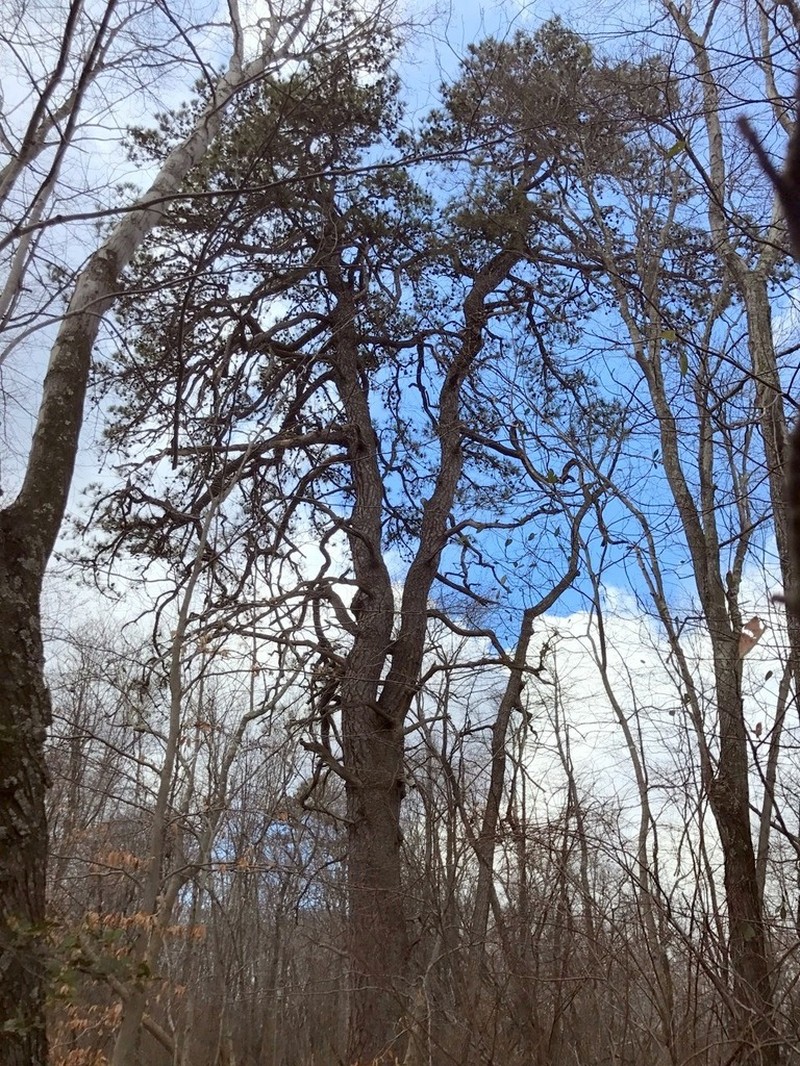
Taxonomy
- Division:
- Coniferophyta | - Conifers
- Family:
- Pinaceae
- Genus:
- Pinus
- Species:
- Pinus rigida
- USDA Symbol:
- PIRI
Growth Characteristics
- Life Cycle:
- Perennial
- Growth Habit:
- Tree
- Height:
- 2100 cm
- Light Requirements:
- Full Sun
- Drought Tolerance:
- Medium
Wildlife Benefits
- Butterflies & Moths:
- ★★★★★ Documented Lepidoptera association (GBIF)
- Caterpillars:
- ★★★☆☆ Recorded caterpillar host plant (HOSTS Database)
Keystone Species Ranking
- Caterpillar Keystone:
- ★★★★★ Butterfly & moth species supported by this genus (NWF)
Host Plant for Caterpillars
Bagworm moth (Thyridopteryx ephemeraeformis), Choristoneura maritima, Choristoneura sp., eastern pine shoot borer (Eucosma gloriola), European pine shoot moth (Rhyacionia buoliana), false sphinx (Lapara bombycoides), Gray-banded Zale (Zale squammularis), Gypsy moth (Lymantria dispar), Holcocera confluentella, Imperial Moth (Eacles imperialis), Nantucket pine tip moth (Rhyacionia frustrana), Northern Pine Tussock Moth (Dasychira plagiata), oblique zale (Zale obliqua), Petrova comstockiana, pine devil moth (Citheronia sepulcralis), pine needleminer (Exoteleia pinifoliella), Pine Tussock Moth (Dasychira pinicola), pine webworm (Pococera robustella), pitch pine looper (Lambdina pellucidaria), pitch pine tip moth (Rhyacionia rigidana), Rhyacionia aktita, spruce coneworm (Dioryctria reniculella), Variable Climbing Cutworm (Xestia elimata), webbing coneworm moth (Dioryctria disclusa), Zale helata, Zale submediana, Eastern Tailed-Blue (Incisalia niphon)
Garden & Ecology Notes
- Wildlife Value:
- birds, small mammals
- Fire Ecology:
- Fire adapted — tolerates or benefits from fire
- Fire Notes:
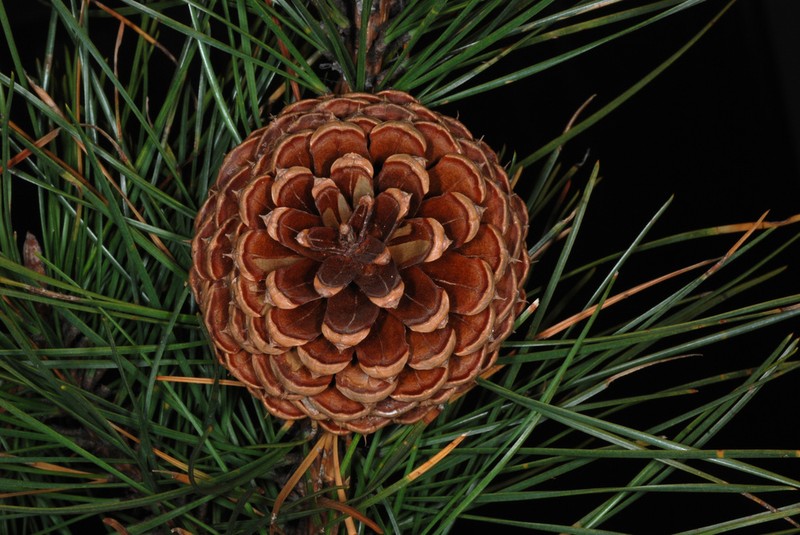
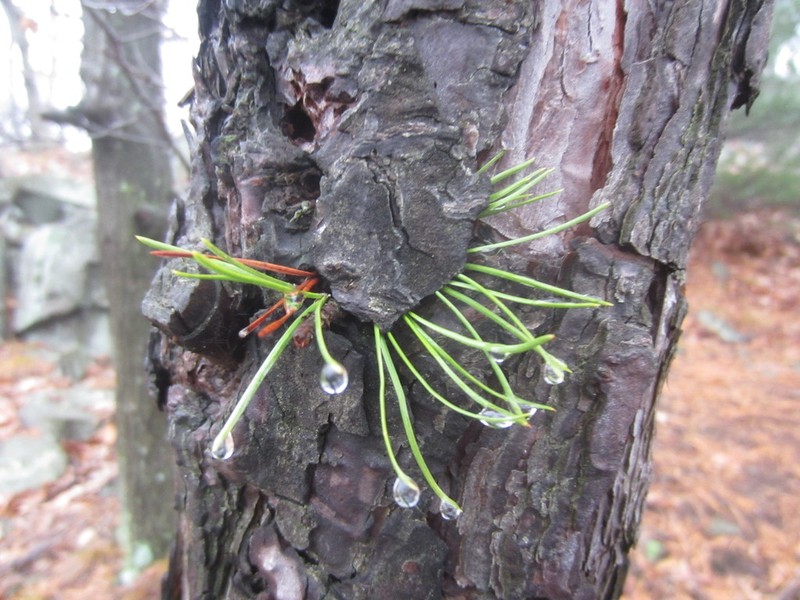
- Serotinous cones open after fire; thick bark provides some fire resistance.
Soil Requirements
- Soil Type:
- sandy, acidic, nutrient-poor soil
- pH:
- 4.0 - 6.5 (acidic to slightly acidic)
- Drainage:
- excellent drainage required
- Moisture:
- dry to moderate
- Notes:
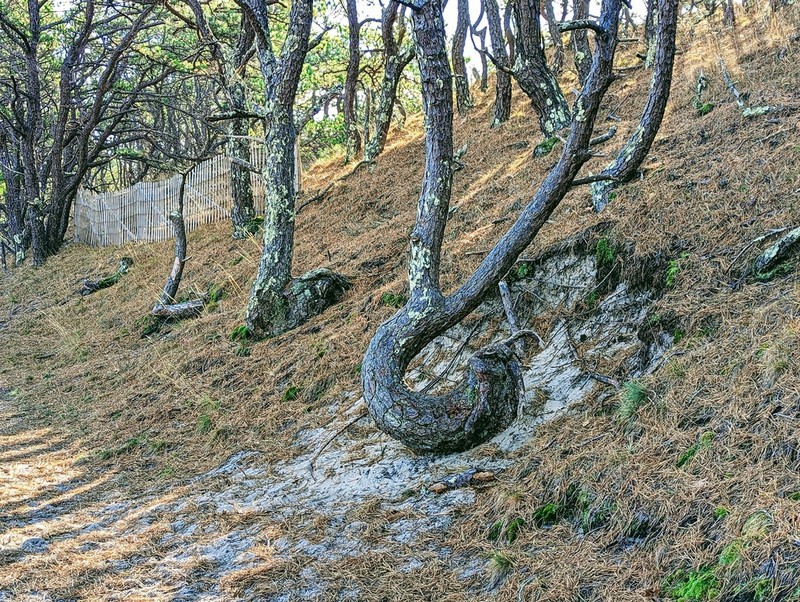
- Commonly found in sandy barrens and rocky outcrops.
Propagation & Germination
- Stratification:
- Cold/moist stratification required — 30–60 days
- Germination Time:
- 14–30 days
- Notes:
- Seeds germinate readily after cold stratification; sow in spring.
Pre-treatment: Seeds are cold stratified for 30 to 90 days and then germinate at 21 C. Alternatively, seeds can be sown in outdoor nursery beds in the fall to allow natural germination in the spring.
Establishment: P. rigida is found from New Brunswick to southern Quebec and Ontario, and south to Georgia. It is dominant in the Pine Barrens of New Jersey. It grows in dry sandy soil. The protocols vary in the pre-treatment of seeds.
Source: npn.rngr.net
Where to Buy
Nationwide Seller
- Sheffield's Seed (seeds)