
Douglas-Fir
Pseudotsuga menziesii
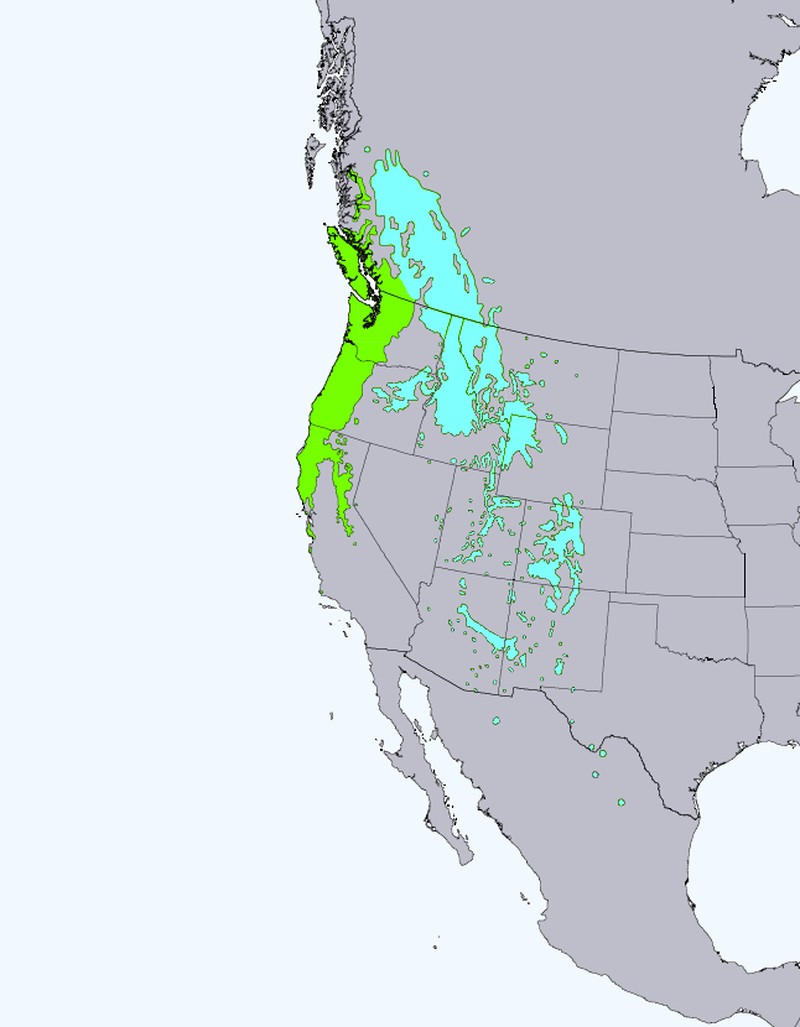
- Native to:
- Canada, Mexico, United States
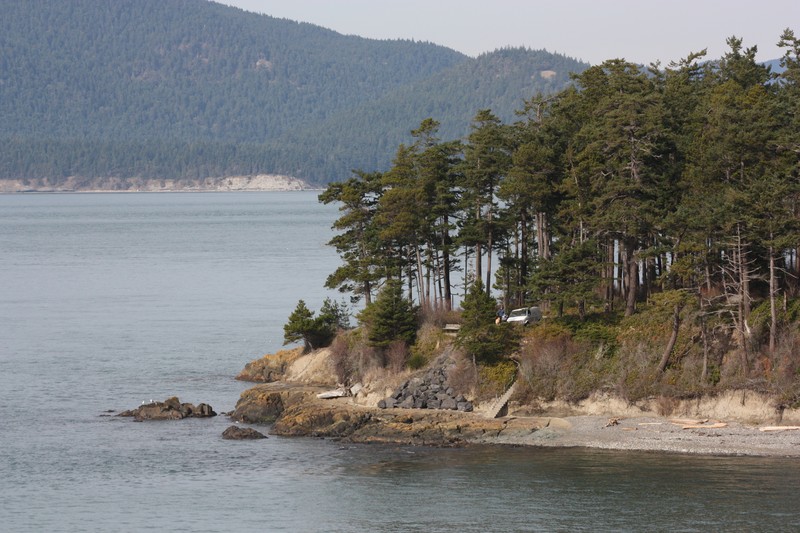
Wikimedia: Walter Siegmund (talk)
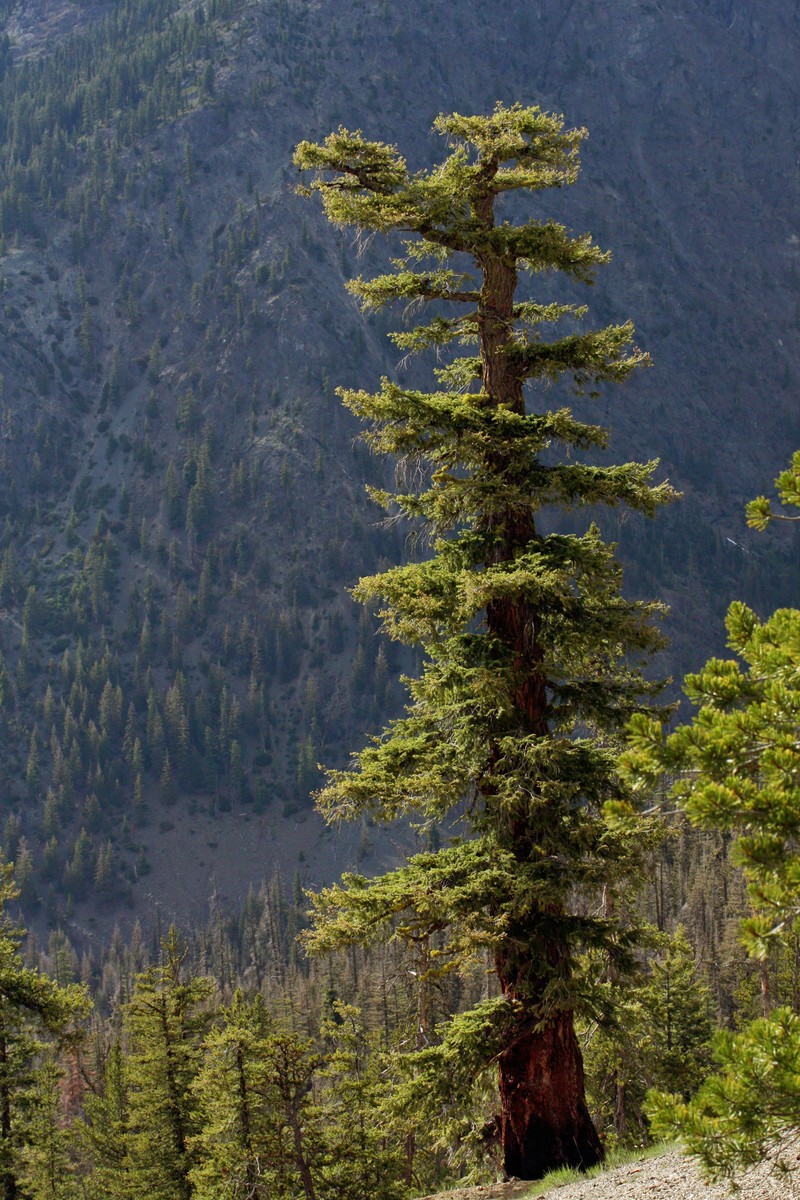
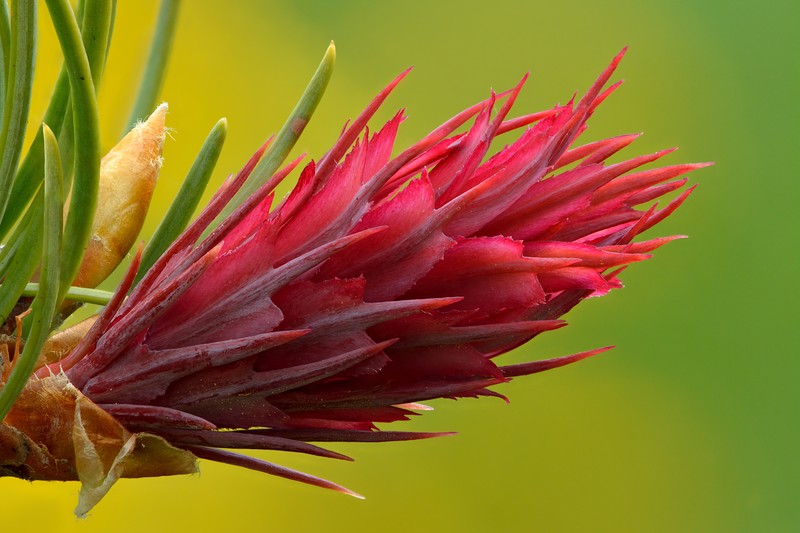
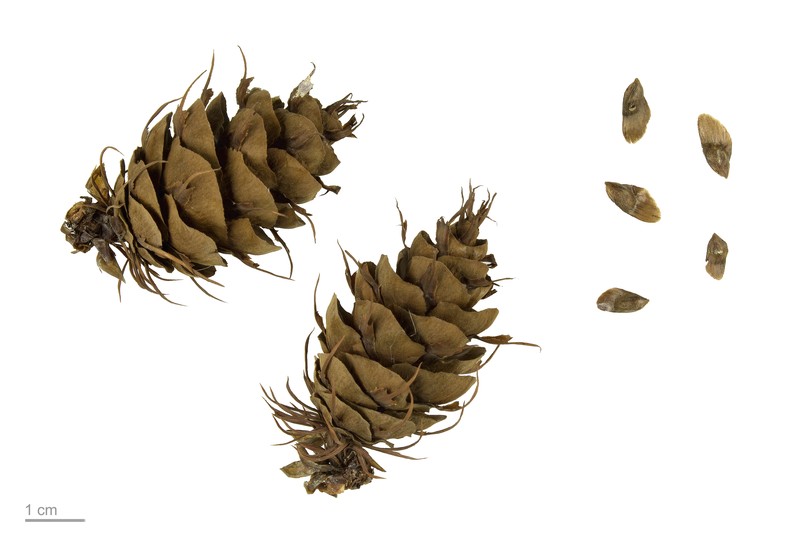
Taxonomy
- Division:
- Coniferophyta | - Conifers
- Family:
- Pinaceae
- Genus:
- Pseudotsuga
- Species:
- Pseudotsuga menziesii
- USDA Symbol:
- PSME
Growth Characteristics
- Life Cycle:
- Perennial
- Growth Habit:
- Tree
- Height:
- 10000 cm
- Light Requirements:
- Part Shade
- Drought Tolerance:
- Medium
Wildlife Benefits
- Bees:
- ★☆☆☆☆ Documented bee visitation (GBIF)
- Butterflies & Moths:
- ★★★★★ Documented Lepidoptera association (GBIF)
- Caterpillars:
- ★★★★★ Recorded caterpillar host plant (HOSTS Database)
Keystone Species Ranking
- Caterpillar Keystone:
- ★★★★★ Butterfly & moth species supported by this genus (NWF)
Host Plant for Caterpillars
Achytonix epipaschia, Acleris gloveranus, American Idia (Idia americalis), Argyrotaenia klotsi, Autumnal moth (Epirrita autumnata), Barbara colfaxiana, Barbara sp., Barbara ulteriorana, Bent-line gray (Iridopsis larvaria), Black zigzag (Panthea acronyctoides), black-dashed hydriomena moth (Hydriomena divisaria), Carrot Epiblema Moth (Epiblema radicana), Ceanothus Silkmoth (Hyalophora euryalus), Chionodes abella, Chionodes periculella, Choristoneura sp., cloaked pug (Eupithecia abietaria), Coleotechnites , Columbia silk moth (Hyalophora columbia), common gray (Anavitrinella pampinaria), common idia (Idia aemula), Comstock's sallow (Feralia comstocki), Curve-lined looper (Lambdina fervidaria), Cydia fletcherana, Cydia laricana, Dasychira grisefacta, Deceptive Sallow (Feralia deceptiva), Dioryctria abietella, Dioryctria pseudotsugella, Dorsal Argyrotaenia Moth (Argyrotaenia dorsalana), Douglas fir leafminer (Argyresthia pseudotsuga), Douglas-fir cone moth (Cydia pseudotsugae), Douglas-fir tussock moth (Orgyia pseudotsugata), Eastern blackheaded budworm (Acleris variana), eastern pine shoot borer (Eucosma gloriola), Eastern spruce budworm (Choristoneura fumiferana), Egira hiemalis, Egira simplex, Eupithecia albicapitata, Eupithecia annulata, Eupithecia catalinata, Eupithecia filmata, Eupithecia graefii, Eupithecia harrisonata, Eupithecia longipalpata, Eupithecia luteata, Eupithecia olivacea, Eupithecia palpata, Eupithecia pseudotsugata, Eupithecia spermaphaga, Eupithecia transcanadata, Eupithecia unicolor, Eupithecia vinsullata, Euplexia benesimilis, False hemlock looper (Nepytia canosaria), Filatima natalis, fir coneworm (Dioryctria abietivorella), Freeman's nepytia (Nepytia freemani), fruit-tree leafroller (Archips argyrospila), Gabriola dyari, Glena nigricaria, gray spruce looper (Caripeta divisata), Green-marked looper (Syngrapha viridisigma), Grey Amphipyra (Amphipyra glabella), Griselda radicana, Henricus fuscodorsanus, hibiscus Quaker (Orthosia hibisci), Holcocera augusti, Holcocera immaculella, Hydriomena albimontanata, Hydriomena irata, Hydriomena speciosata, Imitated Melanolophia (Melanolophia imitata), Jocose Sallow (Feralia jocosa), Kaslo silkmoth (Hyalophora "kasloensis"), Lace-winged zale (Zale minerea), Lacinipolia patalis, Larch Pug (Eupithecia lariciata), Limbata angle moth (Nematocampa limbata), Marmara oregonensis, Melanchra pulverulenta, mottled gray carpet moth (Cladara limitaria), Mountain Enypia (Enypia griseata), Mournful Thorn (Lambdina fiscellaria), Nameless Pinion (Lithophane innominata), Nemoria viridicaria, Neoalcis californiaria, one-spotted semiothisa (Semiothisa unipunctaria), ornate eupithecia (Eupithecia ornata), Pale beauty (Campaea perlata), Papestra cristifera, phantasm moth (Nepytia phantasmaria), Pine Hypagyrtis Moth (Hypagyrtis piniata), pinion shoot moth (Dioryctria reniculelloides), Porcelain Gray (Protoboarmia porcelaria), Portland Panthea (Panthea portlandia), pulmonaria stenoporpia (Stenoporpia pulmonaria), Ratzeburg's tortricid moth (Zeiraphera ratzeburgiana), Rusty Tussock Moth (Orgyia antiqua), Scrub Euchlaena (Euchlaena madusaria), Semiothisa granitata, Semiothisa signaria, sequoia pitch moth (Synanthedon sequoiae), Silver-spotted Tiger Moth (Lophocampa argentata), Spiramater lutra, spruce coneworm (Dioryctria reniculella), Stenoporpia separataria, striped epirranthis moth (Epirranthis substriataria), Synanthedon novaroensis, Syngrapha rectangula, Tolype dayi?, Tolype sp., Triphosa affirmata, Umber Moth (Nepytia umbrosaria), Variable Climbing Cutworm (Xestia elimata), Variegated cutworm (Peridroma saucia), western conifer looper (Caripeta aequaliaria), Western spruce budworm (Choristoneura occidentalis), western spruce budworm (Argyrotaenia provana), white triangle tortrix (Clepsis persicana), Xestia mustelina, Ypsolopha nella, zebra caterpillar moth (Melanchra picta), Zeiraphera hesperiana, Zeiraphera sp., Zimmerman's coneworm (Dioryctria zimmermani), Entomologist's hairstreak (Incisalia eryphon), Menapia White (Neophasia menapia)
Reported Fauna Sightings
Moths:Thaumatographa youngiella
Garden & Ecology Notes
- Wildlife Value:
- birds, small mammals
- Fragrant:
- Yes
- Fire Ecology:
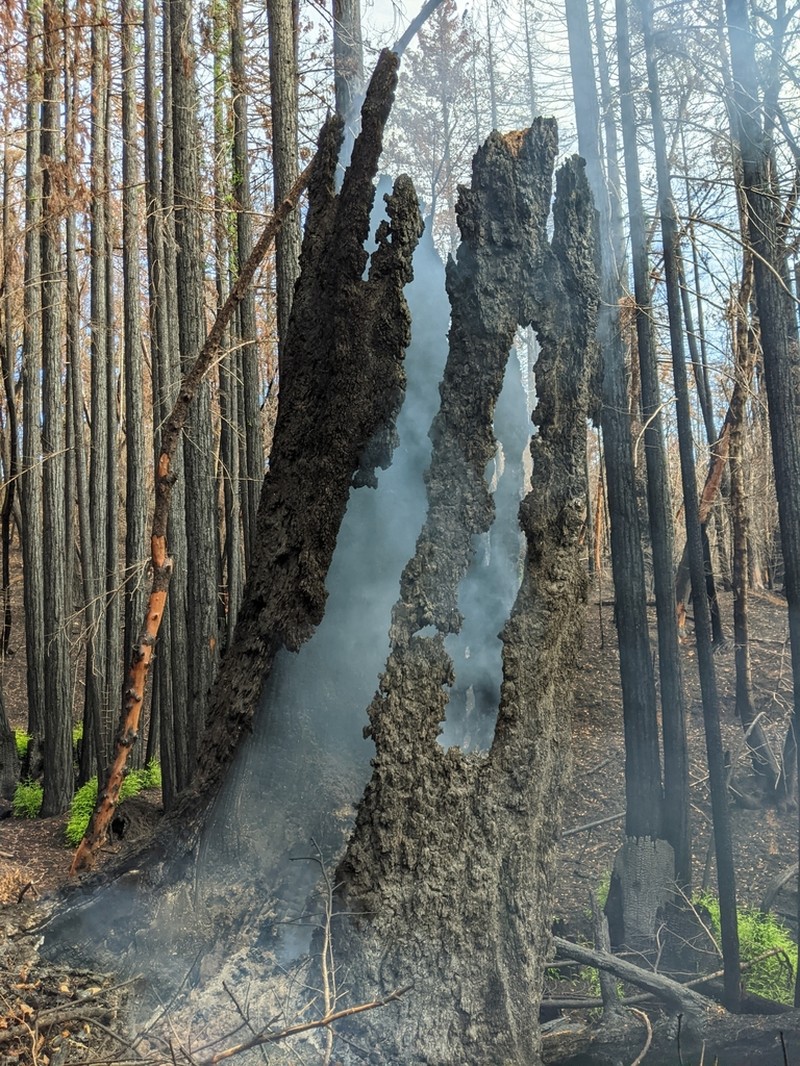
- Fire adapted — tolerates or benefits from fire
- Fire Notes:
- Thick bark provides some fire resistance; serotinous cones not present; regenerates from seed after fire.
Soil Requirements
- Soil Type:
- rich, well-drained loamy soil
- pH:
- 5.0 - 6.5 (slightly acidic to neutral)
- Drainage:
- excellent drainage required
- Moisture:
- dry to moderate
- Notes:
- prefers deep soils with good aeration
Propagation & Germination
- Stratification:
- Cold/moist stratification required — 30–60 days
- Germination Time:
- 14–28 days
- Notes:
- Seeds require cold stratification for 30-60 days to break dormancy; sow in spring.
Pre-treatment: Seeds are soaked in cold running water for 48 hours, then placed in cold, moist stratification for 21-120 days at temperatures ranging from 34-36°F. Some protocols suggest a 1:3 hydrogen peroxide/water soak for 10 minutes prior to stratification. Seeds are then rinsed in running water for 24 hours before sowing.
Establishment: The protocols vary in the specifics of pre-treatment and establishment procedures, but all involve a period of cold, moist stratification followed by sowing and careful management of irrigation and fertilization. The seed is typically collected in the fall from wild collections or seed orchards.
Source: npn.rngr.net
Where to Buy
Nationwide Seller
- Sheffield's Seed (seeds)