
California Goldenrod
Solidago velutina subsp. californica
- Native to:
- Mexico, United States
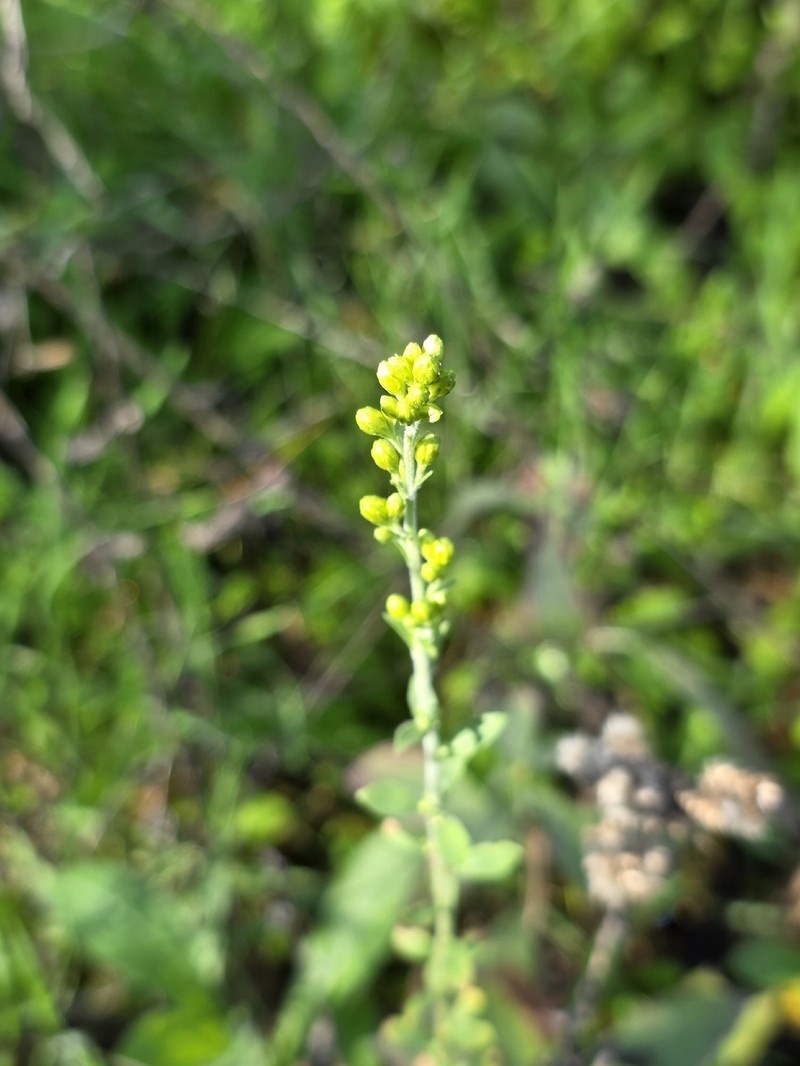
GBIF: Melissa Pearson
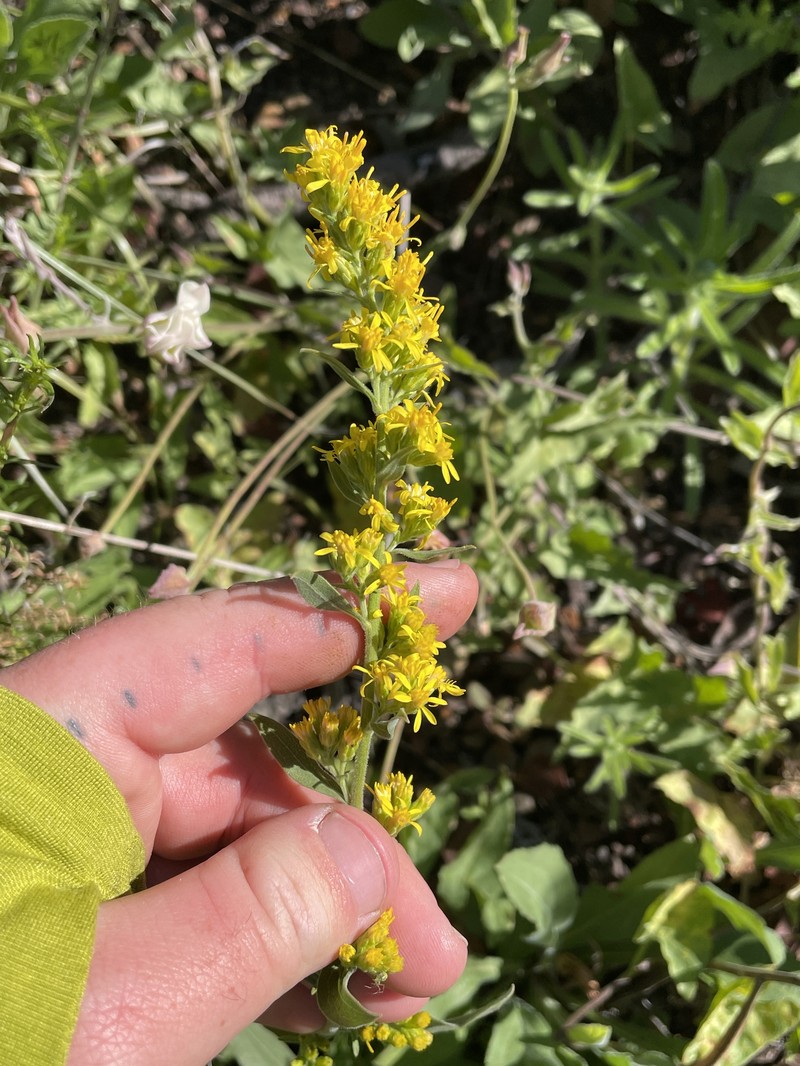
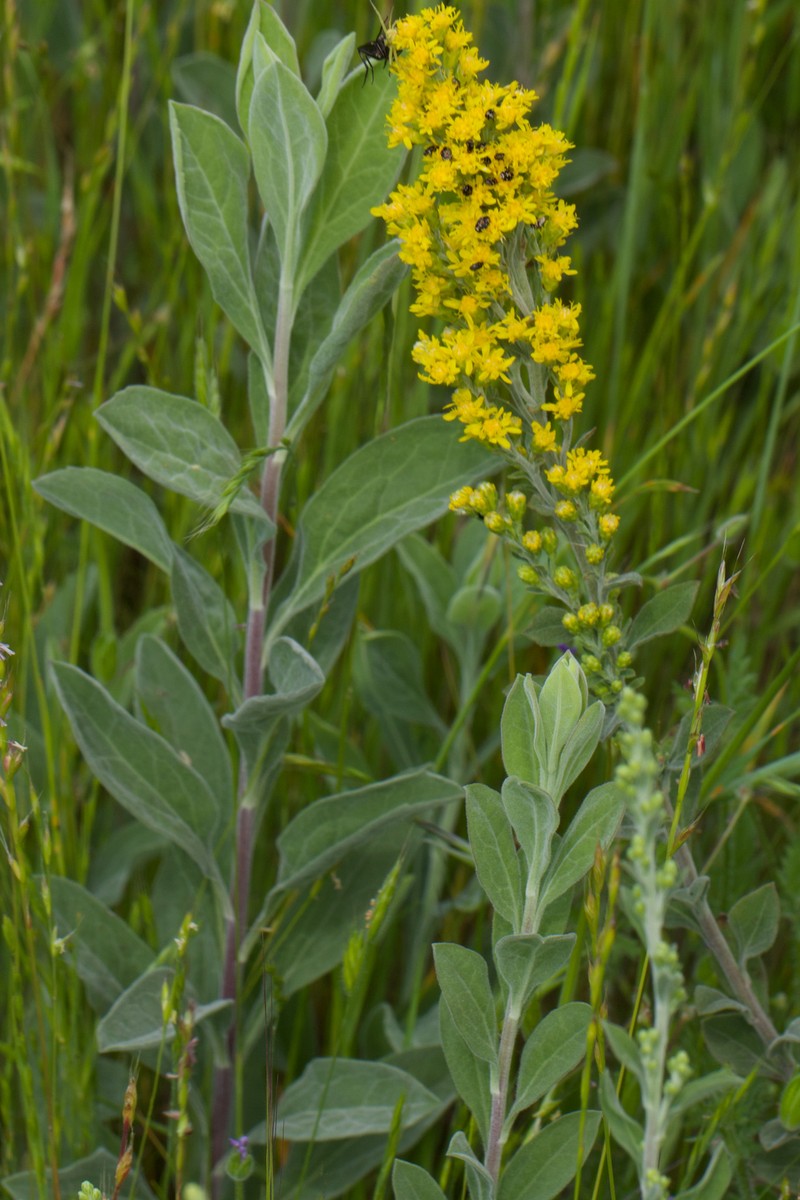
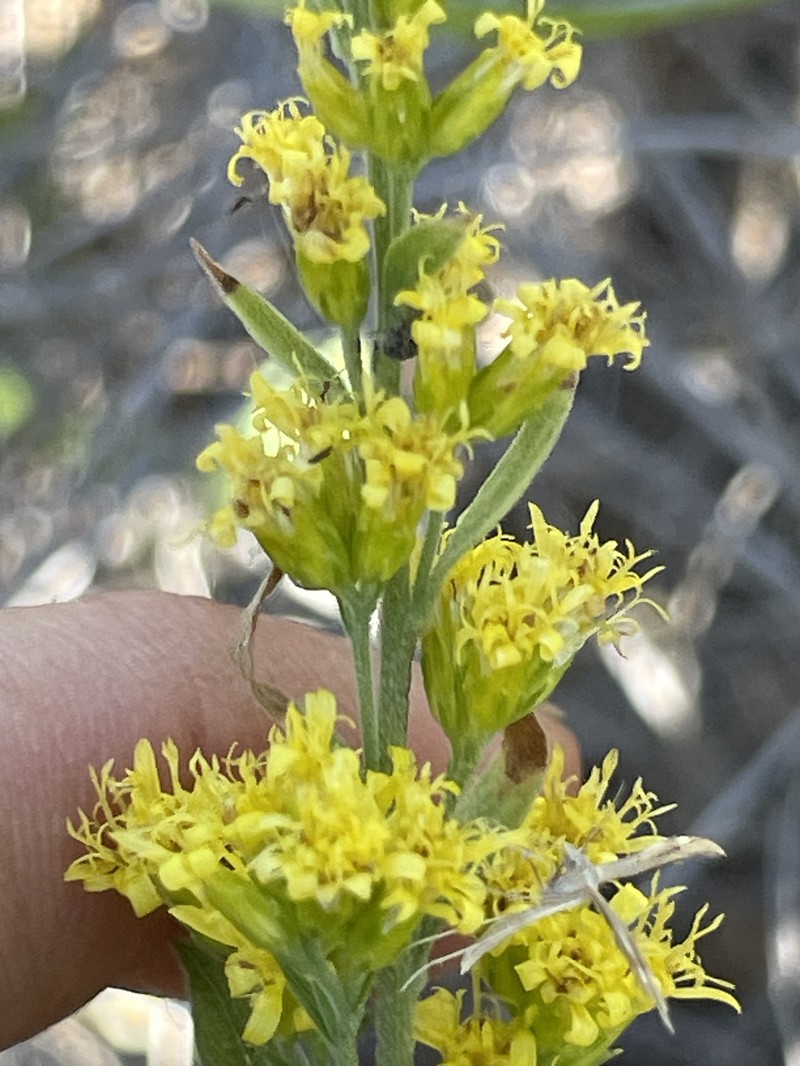
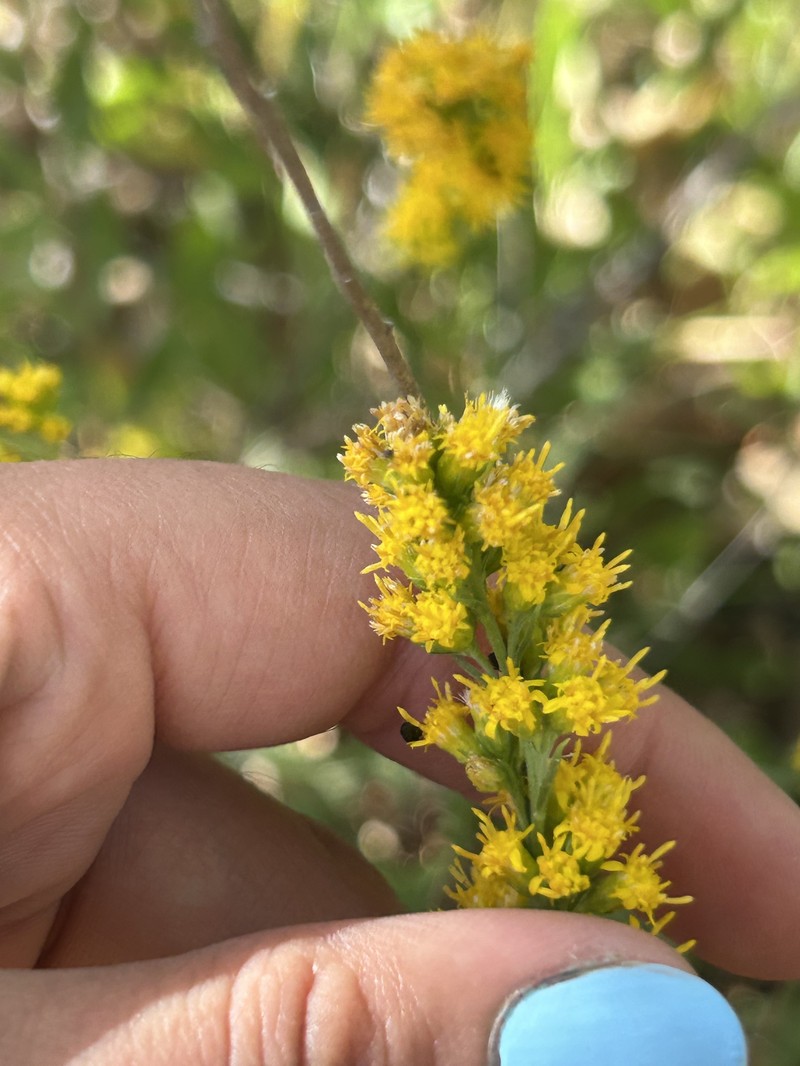
Taxonomy
- Division:
- Magnoliophyta | - Flowering plants
- Family:
- Asteraceae
- Genus:
- Solidago
- Species:
- Solidago velutina subsp. californica
- USDA Symbol:
- SOCA5
Growth Characteristics
- Life Cycle:
- Perennial
- Growth Habit:
- Forb/herb
- Height:
- 150 cm
- Light Requirements:
- Full Sun
- Drought Tolerance:
- Medium
- Bloom Months:
- jul,aug,sep,oct
- Bloom Colors:
- yellow
Wildlife Benefits
- Bees:
- ★☆☆☆☆ Documented bee visitation (GBIF)
- Butterflies & Moths:
- ★☆☆☆☆ Documented Lepidoptera association (GBIF)
- Caterpillars:
- ★☆☆☆☆ Recorded caterpillar host plant (HOSTS Database)
Keystone Species Ranking
- Caterpillar Keystone:
- ★★★★☆ Butterfly & moth species supported by this genus (NWF)
- Pollen Specialist Bee Keystone:
- ★★★★★ Native pollen specialist bee species supported by this genus (NWF)
Host Plant for Caterpillars
Meadow Crescent (Phyciodes pratensis), Palla (Charidryas palla)
Garden & Ecology Notes
- Wildlife Value:
- bees, butterflies, birds
- Deer Resistant:
- Yes
- Fire Ecology:
- Fire adapted — tolerates or benefits from fire
- Fire Notes:
- Resprouts vigorously from rhizomes following fire; common in post-fire succession in California chaparral and grassland communities.
Soil Requirements
- Soil Type:
- sandy, well-drained, nutrient-poor soil
- pH:
- 5.5 - 7.5 (slightly acidic to neutral)
- Drainage:
- excellent drainage required
- Moisture:
- dry to moderate
- Notes:
- Prefers open, sunny locations in native range
Propagation & Germination
- Stratification:
- Cold/moist stratification required — 30–60 days
- Germination Time:
- 14–30 days
- Notes:
- Seeds require light for germination; surface sow and do not cover.
Pre-treatment: None required
Establishment: There is a discrepancy in germination rates between the two protocols, with one reporting extremely low germination rates (<1%) and the other reporting a 75% transplant survival rate. Seeds are collected between late summer and fall. The plant is found from southern Oregon to Lower California in the coast ranges and the west slope of the Sierra Nevada.
Source: npn.rngr.net