
Threenerve Goldenrod
Solidago velutina
- Native to:
- Mexico, United States
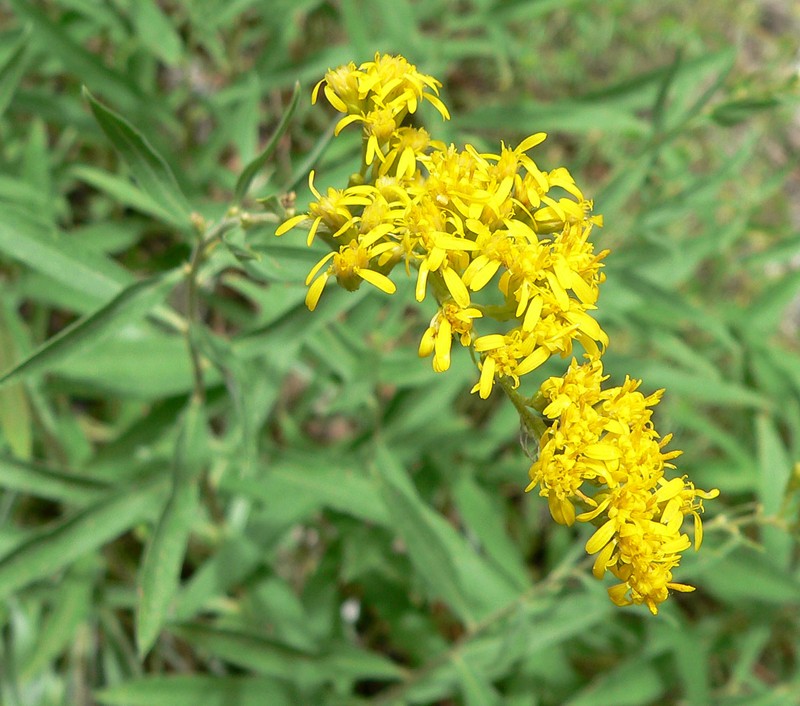
Stan Shebs
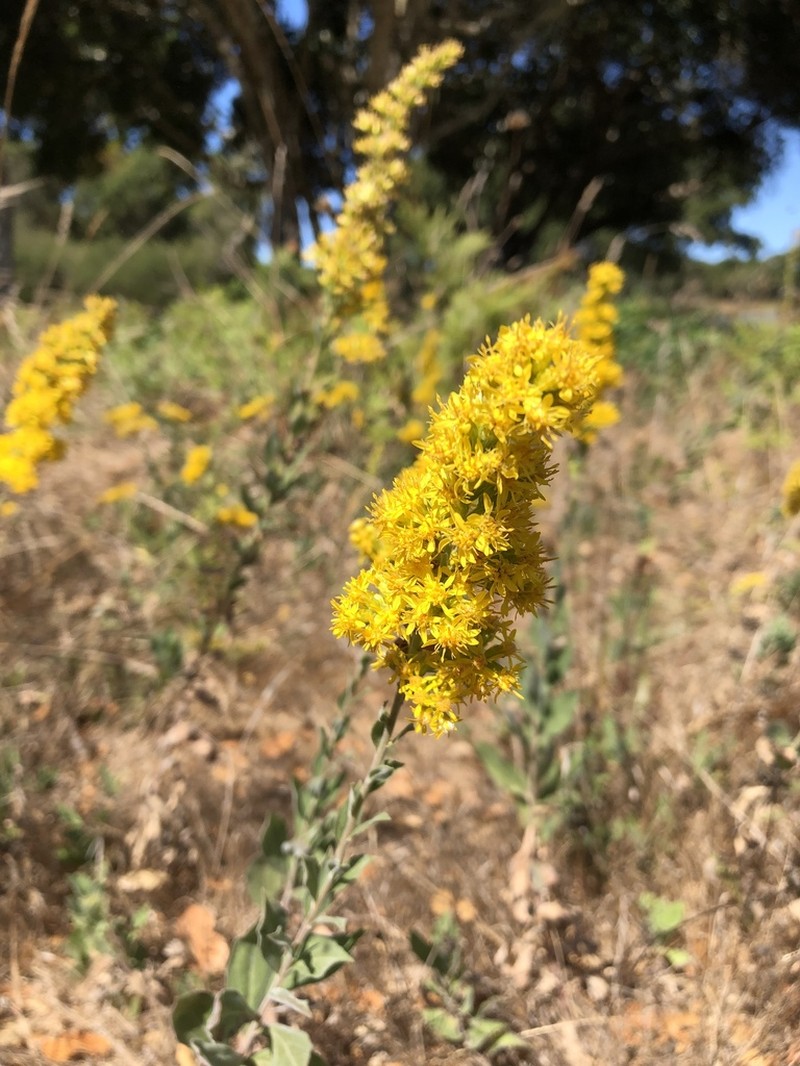
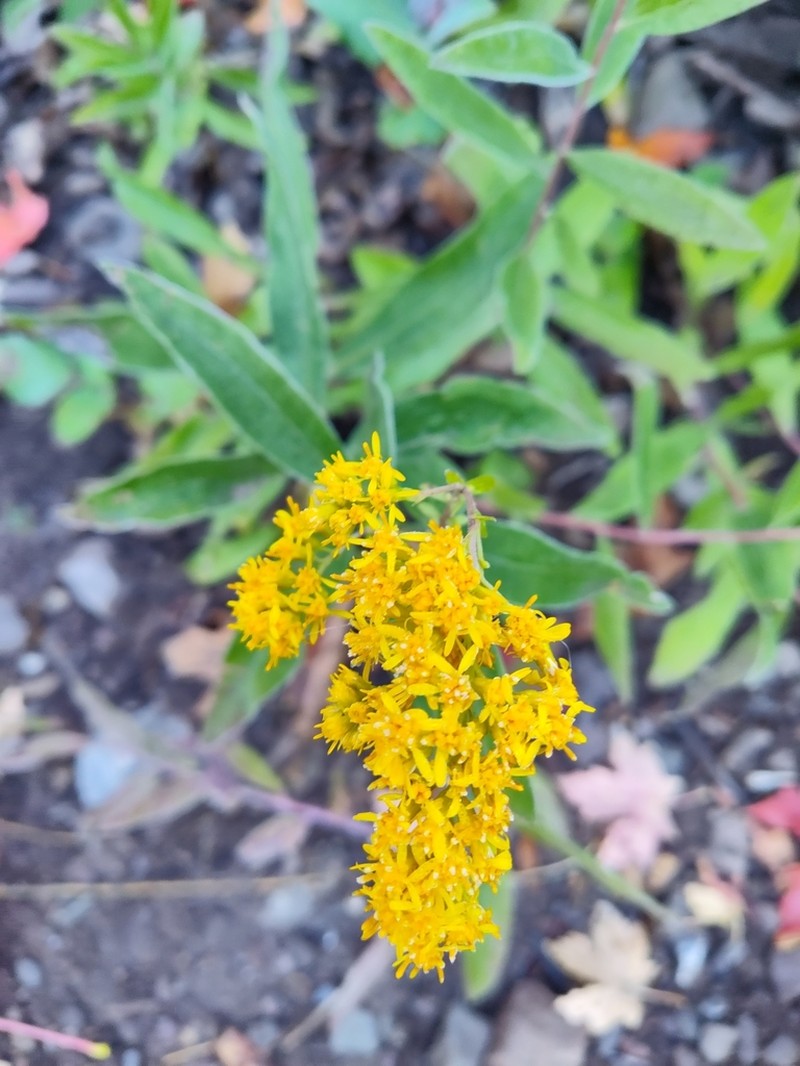
Taxonomy
- Division:
- Magnoliophyta | - Flowering plants
- Family:
- Asteraceae
- Genus:
- Solidago
- Species:
- Solidago velutina
- USDA Symbol:
- SOVE6
Growth Characteristics
- Life Cycle:
- Perennial
- Growth Habit:
- Forb/herb , Subshrub
- Height:
- 120 cm
- Light Requirements:
- Full Sun
- Drought Tolerance:
- Medium
- Bloom Months:
- aug,sep,oct
- Bloom Colors:
- yellow
Wildlife Benefits
- Bees:
- ★☆☆☆☆ Documented bee visitation (GBIF)
- Butterflies & Moths:
- ★☆☆☆☆ Documented Lepidoptera association (GBIF)
Keystone Species Ranking
- Caterpillar Keystone:
- ★★★★☆ Butterfly & moth species supported by this genus (NWF)
- Pollen Specialist Bee Keystone:
- ★★★★★ Native pollen specialist bee species supported by this genus (NWF)
Host Plant for Caterpillars
Acrocercops sp. n., blackberry looper (Chlorochlamys chloroleucaria), Brown-hooded owlet (Cucullia convexipennis), Bucculatrix magnella, Cremastobombycia solidaginis, Dejongia , Dichomeris ochripalpella, Gnorimoschema sp. B, Goldenrod Flower Moth (Schinia nundina), Goldenrod Gall Moth (Epiblema scudderiana), goldenrod gall moth (Gnorimoschema gallaesolidaginis), Hellinsia homodactylus, Hitched Arch (Melanchra adjuncta), Phaneta ochroterminana, Scrobipalpa sp. B, triangle-backed eucosma (Eucosma dorsisignatana), Trichoptilus lobidactylus, Wavy-lined Emerald (Synchlora aerata), Meadow Crescent (Phyciodes pratensis), Palla (Charidryas palla)
Reported Fauna Sightings
Bees: Two-form bumble bee (Bombus bifarius) Butterflies:Icaricia acmon
Garden & Ecology Notes
- Wildlife Value:
- bees, butterflies, birds
Soil Requirements
- Soil Type:
- sandy, well-drained, nutrient-poor soil
- pH:
- 6.0 - 7.5 (slightly acidic to neutral)
- Drainage:
- excellent drainage required
- Moisture:
- dry to moderate
- Notes:
- prefers open, sunny habitats
Propagation & Germination
- Stratification:
- Cold/moist stratification required — 30–60 days
- Germination Time:
- 14–30 days
- Notes:
- Seeds germinate readily after cold stratification; surface sow on moist soil and keep warm.
Pre-treatment: None required
Establishment: Solidago spathulata is a non-dormant seed and readily germinates in warm temperatures. It is often found in coastal dunes and scrub. Seeds are ripe when pappus dries and wind dispersal begins naturally. Seed fill is often low, so over-collection is recommended. Collection peaks in early October in N Oregon. Germination was found to be greater in light than dark.
Source: npn.rngr.net