
Red Alder
Alnus rubra
- Native to:
- Canada, United States
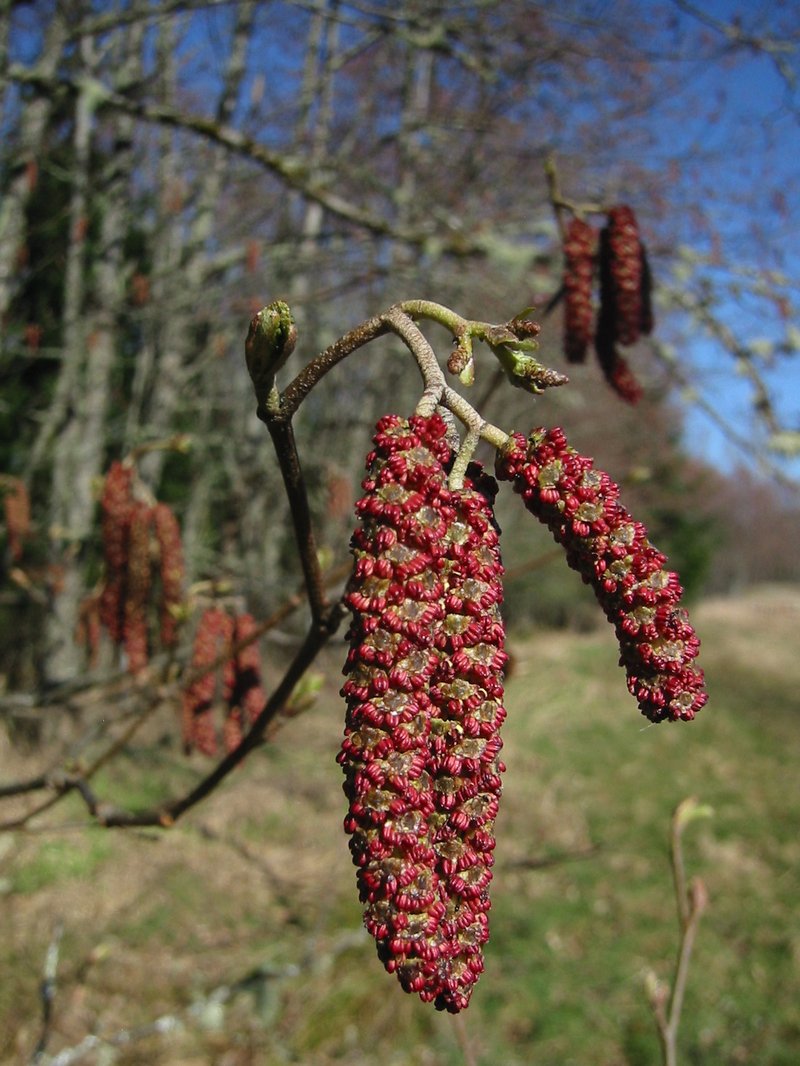
Walter Siegmund (en.wikipedia.org)
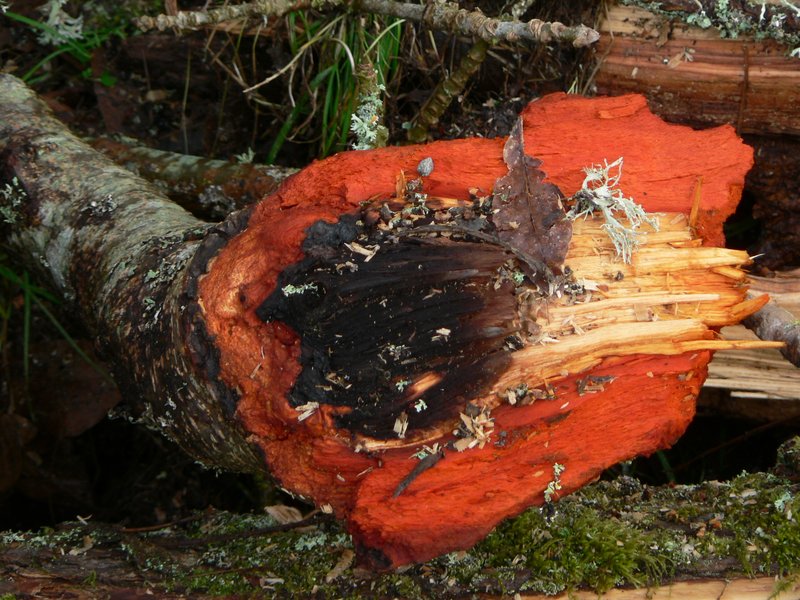
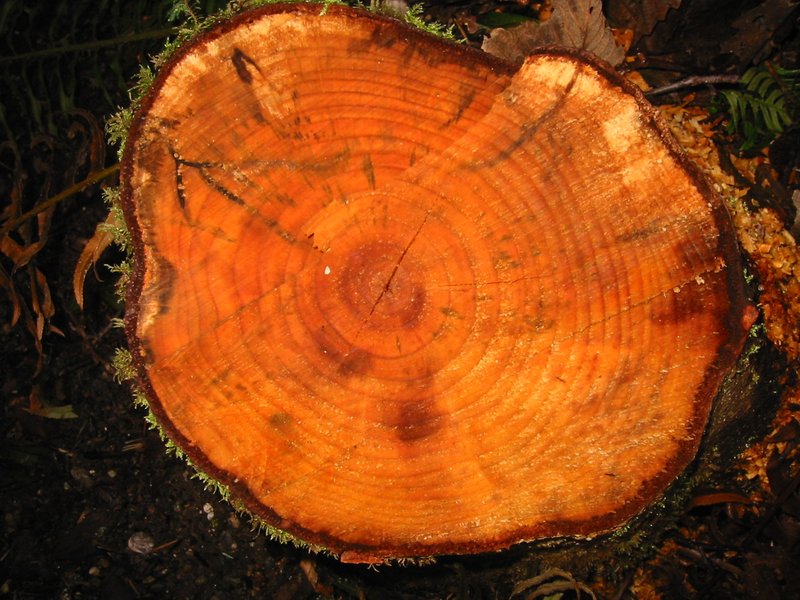
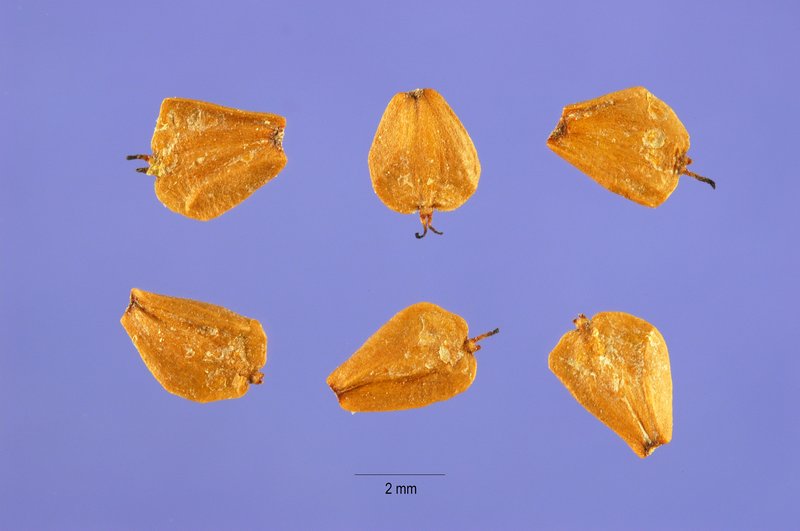

Taxonomy
- Division:
- Magnoliophyta | - Flowering plants
- Family:
- Betulaceae
- Genus:
- Alnus
- Species:
- Alnus rubra
- USDA Symbol:
- ALRU2
Growth Characteristics
- Life Cycle:
- Perennial
- Growth Habit:
- Tree
- Height:
- 3000 cm
- Light Requirements:
- Full Sun,Part Shade,Shade
- Drought Tolerance:
- Low
- Bloom Months:
- feb,mar,apr
- Bloom Colors:
- brown, yellow
Wildlife Benefits
- Bees:
- ★☆☆☆☆ Documented bee visitation (GBIF)
- Butterflies & Moths:
- ★★★★★ Documented Lepidoptera association (GBIF)
- Caterpillars:
- ★★★★★ Recorded caterpillar host plant (HOSTS Database)
- Hummingbirds:
- ★☆☆☆☆ Documented hummingbird visits (GBIF)
Keystone Species Ranking
- Caterpillar Keystone:
- ★★★★★ Butterfly & moth species supported by this genus (NWF)
Host Plant for Caterpillars
Acerra normalis, Acronicta hesperida, Acronicta impleta, Agrochola pulchella, American lappet moth (Phyllodesma americana), American Swordgrass Moth (Xylena nupera), Arched Hooktip (Drepana arcuata), Brown angle shades (Phlogophora periculosa), brown-tipped selenia (Selenia alciphearia), Ceanothus Silkmoth (Hyalophora euryalus), Chlorosea nevadaria, common gray (Anavitrinella pampinaria), cymatophoroides false owlet moth (Pseudothyatira cymatophoroides), distant dagger moth (Acronicta distans), Duaria metarranthis moth (Metarranthis duaria), Egira hiemalis, Egira simplex, Epinotia solandriana, Eulia Leafroller (Eulia ministrana), Eupithecia columbiata, Eupithecia harrisonata, Euplexia benesimilis, Fall webworm (Hyphantria cunea), Fishia evelina, Forest Tent Caterpillar (Malacosoma disstria), funeral dagger moth (Acronicta funeralis), gray dagger moth (Acronicta grisea), gray swordgrass (Xylena cineritia), Grey pug (Eupithecia subfuscata), hibiscus Quaker (Orthosia hibisci), Hitched Arch (Melanchra adjuncta), Imitated Melanolophia (Melanolophia imitata), large looper moth (Autographa ampla), Linden looper (Erannis tiliaria), Maple spanworm (Ennomos magnaria), maple-basswood leafroller (Sparganothis pettitana), Mournful Thorn (Lambdina fiscellaria), Omnivorous Looper (Sabulodes aegrotata), Pale beauty (Campaea perlata), Pale Oligocentria (Oligocentria pallida), Papestra cristifera, Peppered Moth (Biston betularia), Pero gigantea, Pseudorthodes irrorata, Purple Arches (Agrochola purpurea), Red-washed Prominent (Oligocentria semirufescens), Sabulodes caberata, Scorched Wing (Plagodis phlogosaria), Sicya crocearia, Smith's Dart (Xestia smithii), Spiramater lutra, Spotted Tussock Moth (Lophocampa maculata), stormy arches (Polia nimbosa), Thallophaga hyperborea, three-lined leafroller (Pandemis limitata), Variegated cutworm (Peridroma saucia), Western tent caterpillar (Malacosoma californica), Western tussock moth (Orgyia vetusta), Xanthorhoe defensaria, Pale Swallowtail (Papilio eurymedon), Western Tiger Swallowtail (Papilio rutulus)
Reported Fauna Sightings
Bees: Fuzzy-horned bumble bee (Bombus mixtus) Hummingbirds: Anna's Hummingbird (Calypte anna) Moths:Spotted Tussock Moth (Lophocampa maculata), Western tent caterpillar (Malacosoma californica)
Garden & Ecology Notes
- Wildlife Value:
- birds, small mammals, beavers
- Fire Ecology:
- Fire adapted — tolerates or benefits from fire
- Fire Notes:
- Alnus rubra is a pioneer species that colonizes disturbed sites after fire, but is not fire-dependent for regeneration.
Soil Requirements
- Soil Type:
- rich, well-drained loamy soil
- pH:
- 5.5 - 7.5 (slightly acidic to neutral)
- Drainage:
- tolerates poor drainage
- Moisture:
- consistently moist
- Notes:
- commonly found along streams and rivers
Propagation & Germination
- Stratification:
- Cold/moist stratification required — 30–60 days
- Germination Time:
- 14–28 days
- Notes:
- Seeds require cold stratification for 30-60 days; surface sow on moist medium and keep in light.
Pre-treatment: Seeds germinate at 24/16 C. Germination is greater in light than dark. Seedlings are extracted from small containers or lifted from bareroot beds in winter and held in freezer storage until transplanting the following spring.
Establishment: Seedlings are started from smaller container seedlings (20 cubic inch and smaller) or 1+0 bareroot beds. Seedlings are only fertilized one time per year. If a seedling is held over for a second year, controlled-release fertilizer is again applied as a topdress in the spring.
Source: npn.rngr.net
Where to Buy
Nationwide Seller
- Sheffield's Seed (seeds)