
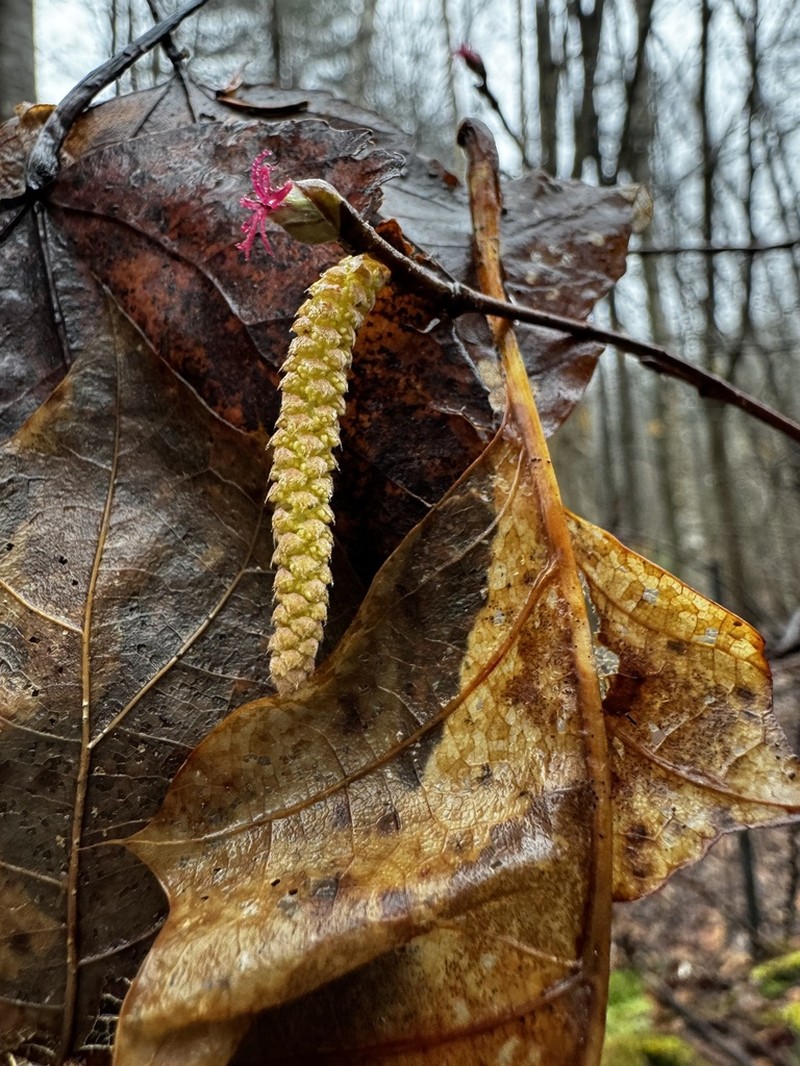
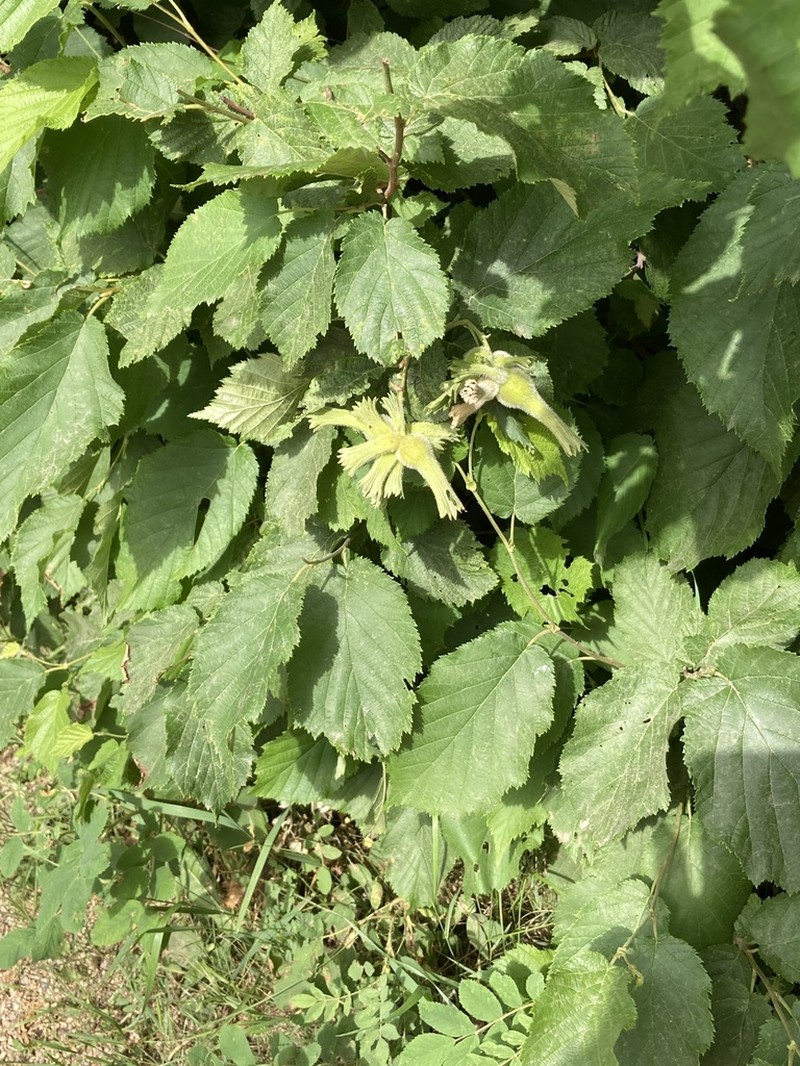
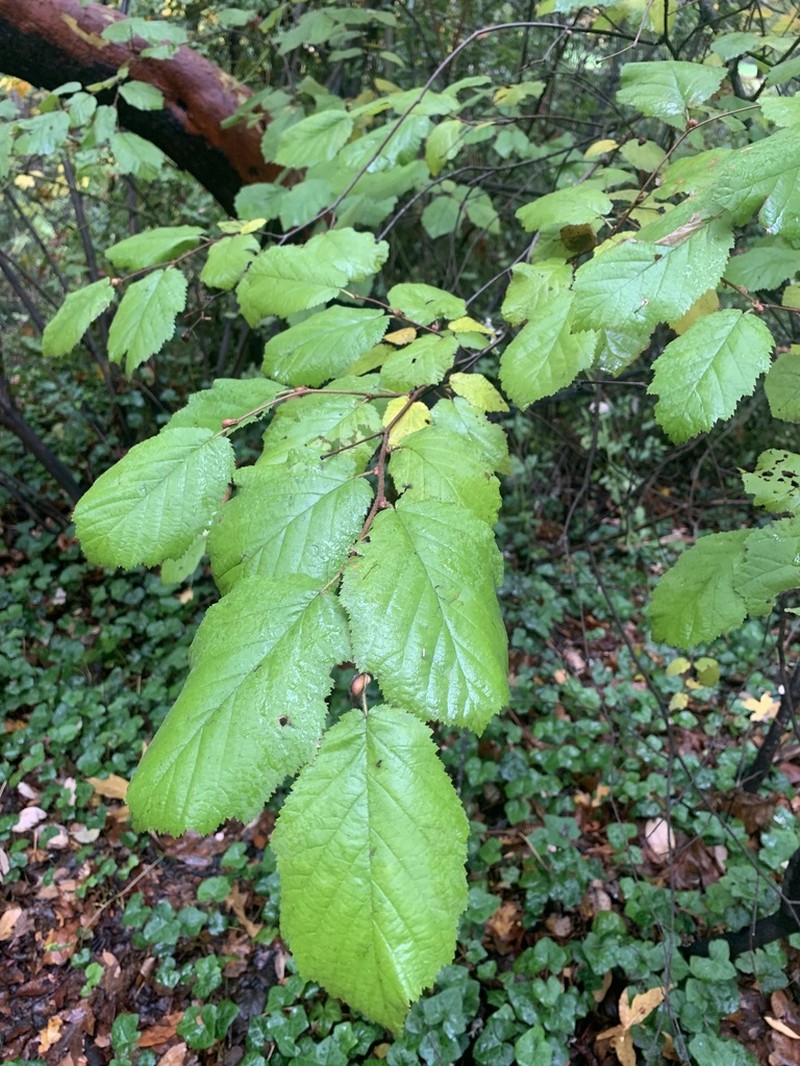
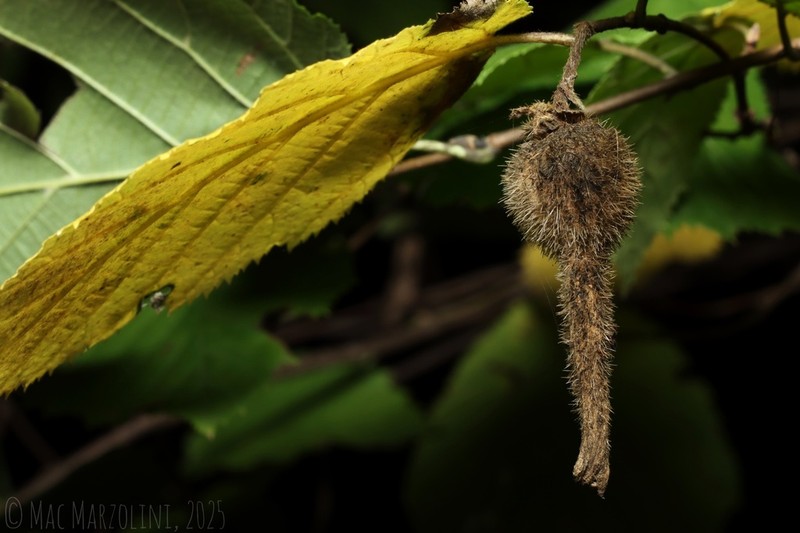
Beaked Hazelnut
Corylus cornuta
- Native to:
- Canada, Prince Edward I., United States, Virgin Islands
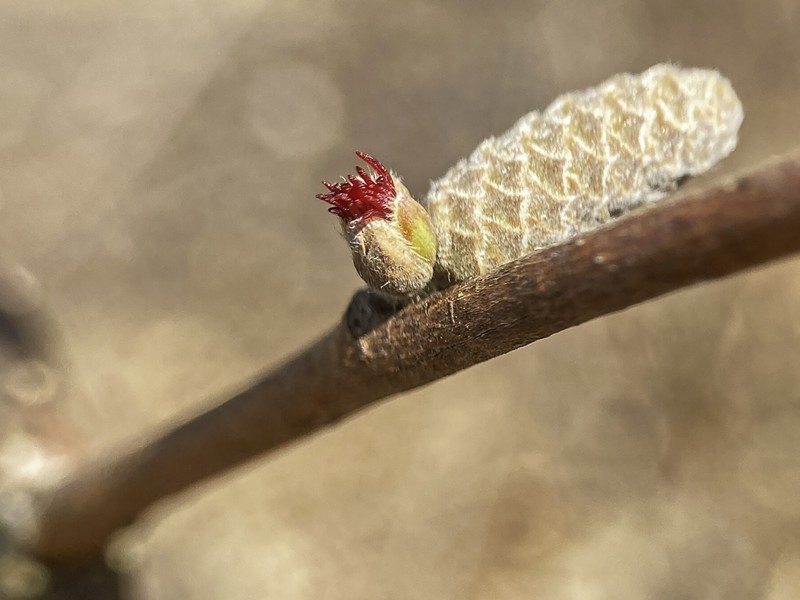
iNaturalist: © bryanpfeiffer (iNaturalist #72030942)
Taxonomy
- Division:
- Magnoliophyta | - Flowering plants
- Family:
- Betulaceae
- Genus:
- Corylus
- Species:
- Corylus cornuta
- USDA Symbol:
- COCO6
Growth Characteristics
- Life Cycle:
- Perennial
- Growth Habit:
- Shrub , Tree
- Height:
- 800 cm
- Light Requirements:
- Full Sun,Part Shade,Shade
- Drought Tolerance:
- Medium
- Bloom Months:
- mar,apr
- Bloom Colors:
- yellow-brown
- Food Forest:
- Contains edible parts
- Landscaping Shrub:
- Yes
Wildlife Benefits
- Bees:
- ★☆☆☆☆ Documented bee visitation (GBIF)
- Butterflies & Moths:
- ★★★★★ Documented Lepidoptera association (GBIF)
- Caterpillars:
- ★★★☆☆ Recorded caterpillar host plant (HOSTS Database)
Keystone Species Ranking
- Caterpillar Keystone:
- ★★★★★ Butterfly & moth species supported by this genus (NWF)
Host Plant for Caterpillars
Acrobasis normella, Acronicta increta, Banded Tussock Moth (Halysidota tessellaris), Bucculatrix callistricha, Bucculatrix fugitans, Cecropia moth (Hyalophora cecropia), cymatophoroides false owlet moth (Pseudothyatira cymatophoroides), early zanclognatha (Zanclognatha cruralis), eyed baileya moth (Baileya ophthalmica), Gypsy moth (Lymantria dispar), Io moth (Automeris io), Norman's Quaker (Crocigrapha normani), Peppered Moth (Biston betularia), spotted oakworm moth (Anisota stigma), Zale phaeocapna, Early Hairstreak (Erora laeta)
Reported Fauna Sightings
Moths:American Dagger Moth (Acronicta americana), Banded Tussock Moth (Halysidota tessellaris), Cameraria corylisella, Ectoedemia quadrinotata, Ectoedemia virgulae, Hickory Tussock Moth (Lophocampa caryae), maple leafcutter moth (Paraclemensia acerifoliella), Phyllonorycter intermixta, Stigmella microtheriella
Garden & Ecology Notes
- Wildlife Value:
- birds, small mammals
- Fall Color:
- yellow
Soil Requirements
- Soil Type:
- rich, well-drained loamy soil
- pH:
- 5.5 - 7.0 (slightly acidic to neutral)
- Drainage:
- excellent drainage required
- Moisture:
- consistently moist
- Notes:
- prefers forested areas with organic matter
Propagation & Germination
- Stratification:
- Cold/moist stratification required — 90–120 days
- Germination Time:
- 30–90 days
- Notes:
- Seeds require cold stratification for 3-4 months; germination is often slow and erratic.
Pre-treatment: For seeds: Cold moist stratification for 60 to 120 days or soaking fresh seed for 24 hours, discarding floaters, and placing viable seeds in the refrigerator with dry perlite. For cuttings: Dip in a mild bleach solution for 30 seconds and treat with Hormex rooting powder.
Establishment: Seeds are recalcitrant and must not dry out after collection. Cuttings should have at least 3 nodes. There is a variation in the pre-treatment and establishment protocols for seeds and cuttings.
Source: npn.rngr.net
Where to Buy
Nationwide Seller
- Sheffield's Seed (seeds)