
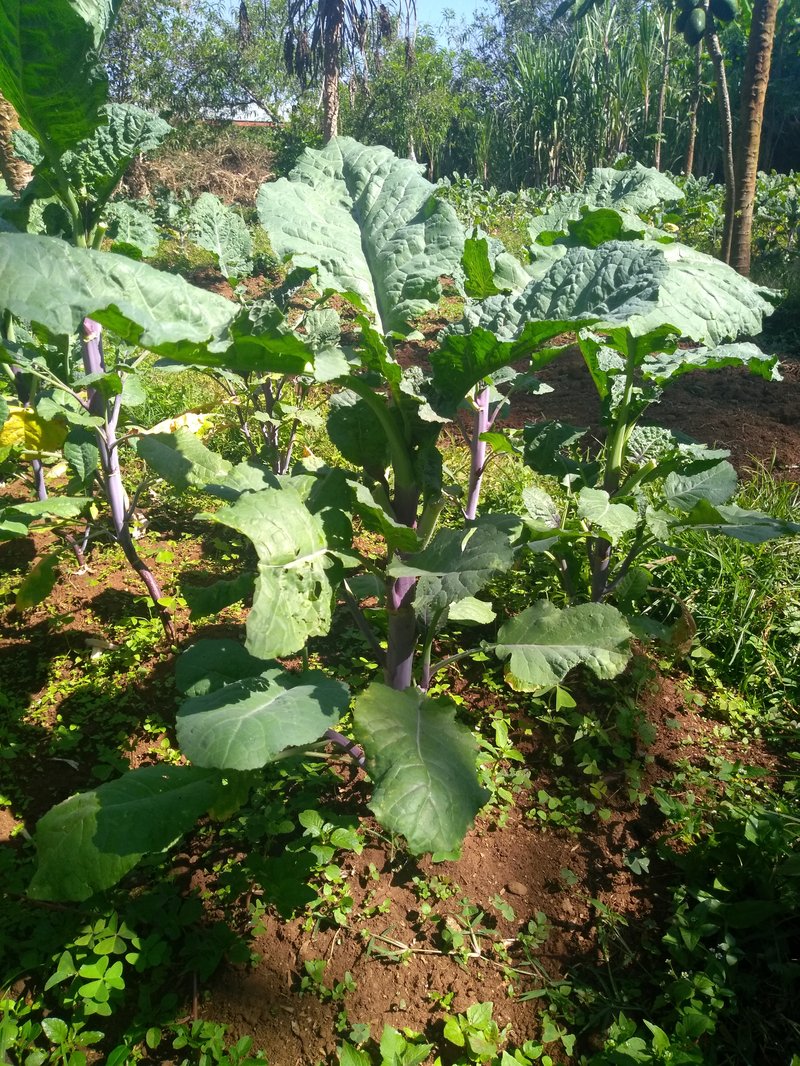
Brassica carinata
Mutarda carinata
- Native to:
- Eritrea, Ethiopia
Ztmcfaul (en.wikipedia.org),,Presl, Karel Bor?iwog,,Publications Office of the European Union (en.wikipedia.org),Mm E Cosson Durieu De Maisonneuve,Herder, Ferdinand Gottfried von., Fischer, F. E. L. (Friedrich Ernst Ludwig), 1782-1854 Meyer, Carl Anton, 1795-1855 Trautvetter, E. R. von (Ernst Rudolph), 1809-1889 Avé-Lallemant, Julius Leopold Eduard, 1803-1867 Regel, E. (Eduard), 1815-1892 Imperators,J.M. Thorburn & Co Henry G. Gilbert Nursery and Seed Trade Catalog Collection,Publications Office of the European Union (en.wikipedia.org),Peyritsch, Johann Josef,McCoy, Frederick, Sir,1817-1899,Fitch, W. H. (Walter Hood), 1817-1892 Smith, Worthington George, 1835-1917 Bentham, George, 1800-1884. Handbook of the British flora,Publications Office of the European Union (en.wikipedia.org)

Taxonomy
- Division:
- Magnoliophyta | - Flowering plants
- Family:
- Brassicaceae
- Genus:
- Mutarda
- Species:
- Mutarda carinata
- USDA Symbol:
- BRCA30
Growth Characteristics
- Height:
- 100 cm
- Light Requirements:
- Full Sun
- Drought Tolerance:
- Medium
- Bloom Months:
- apr,may,jun
- Bloom Colors:
- yellow
Garden & Ecology Notes
- Wildlife Value:
- bees, butterflies
Soil Requirements
- Soil Type:
- fertile, well-drained loamy soil
- pH:
- 6.0 - 7.5 (slightly acidic to neutral)
- Drainage:
- excellent drainage required
- Moisture:
- consistently moist
- Notes:
- native to regions with seasonal rainfall
Propagation & Germination
- Germination Time:
- 5–14 days
- Notes:
- Seeds germinate readily in cool soil without pretreatment.