
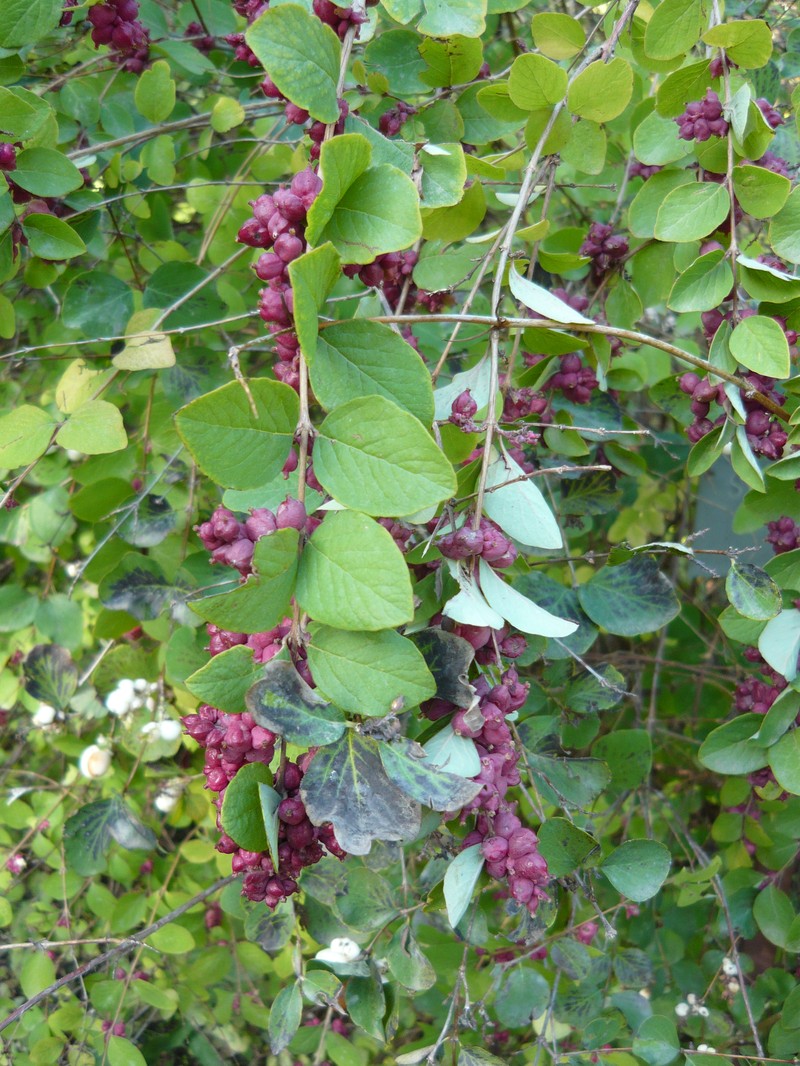
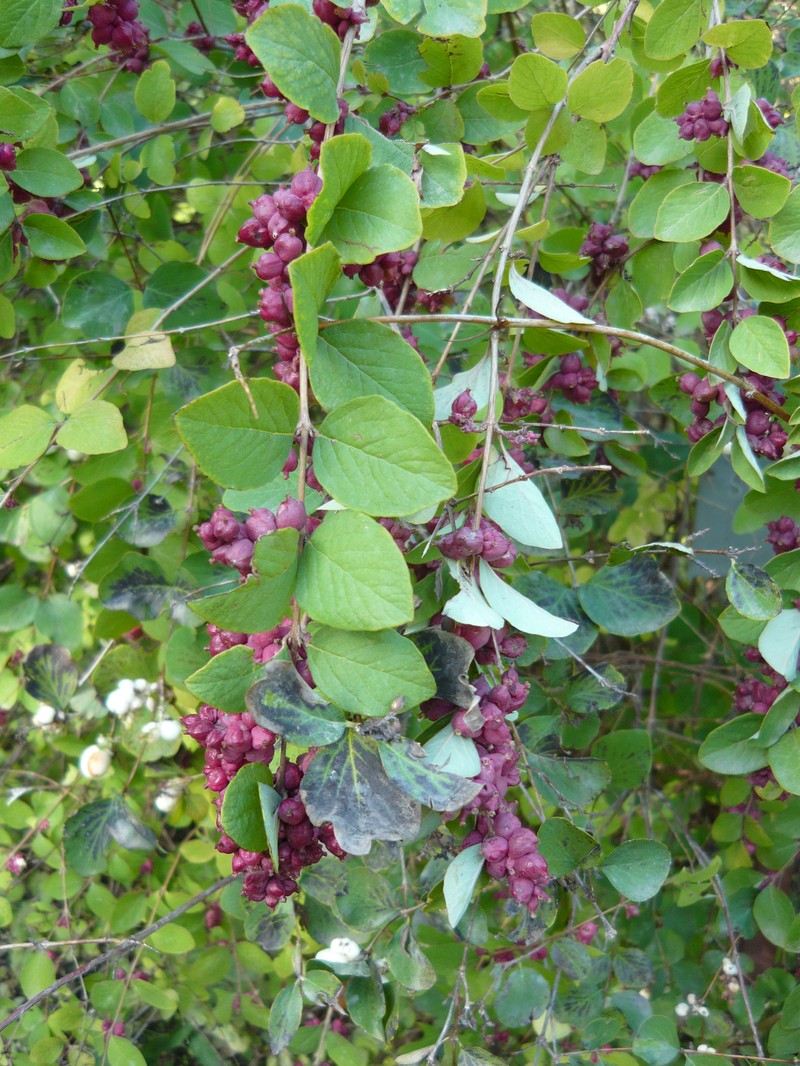
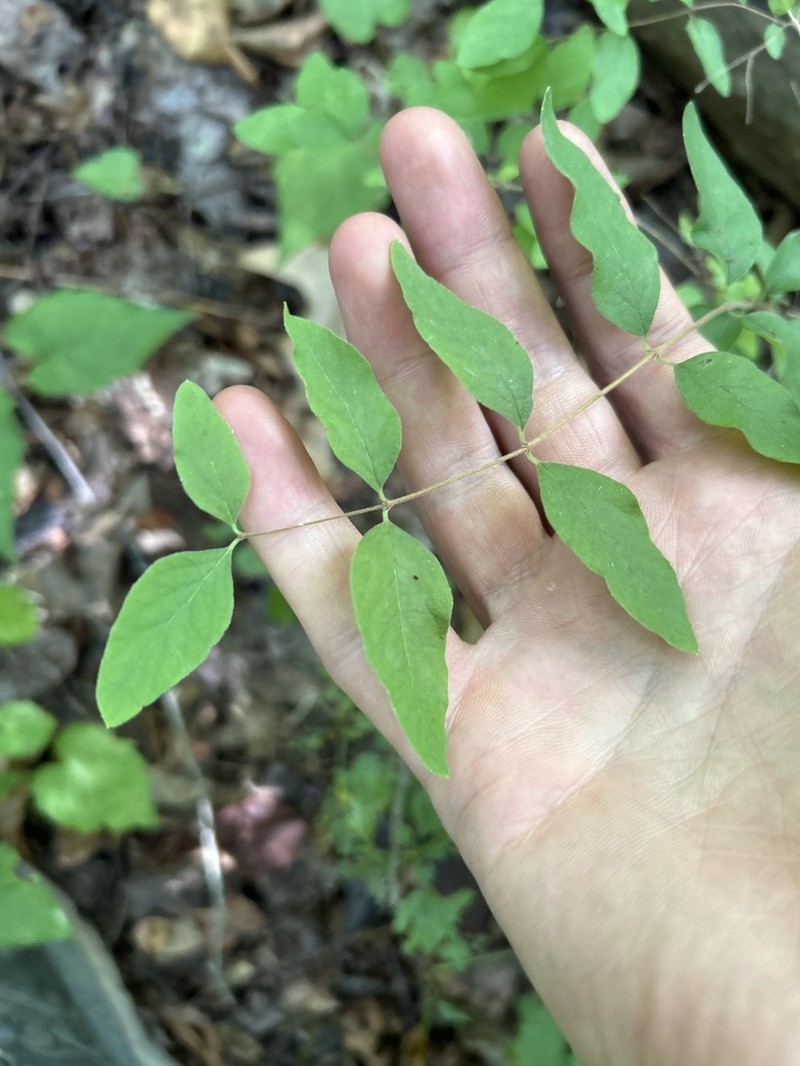
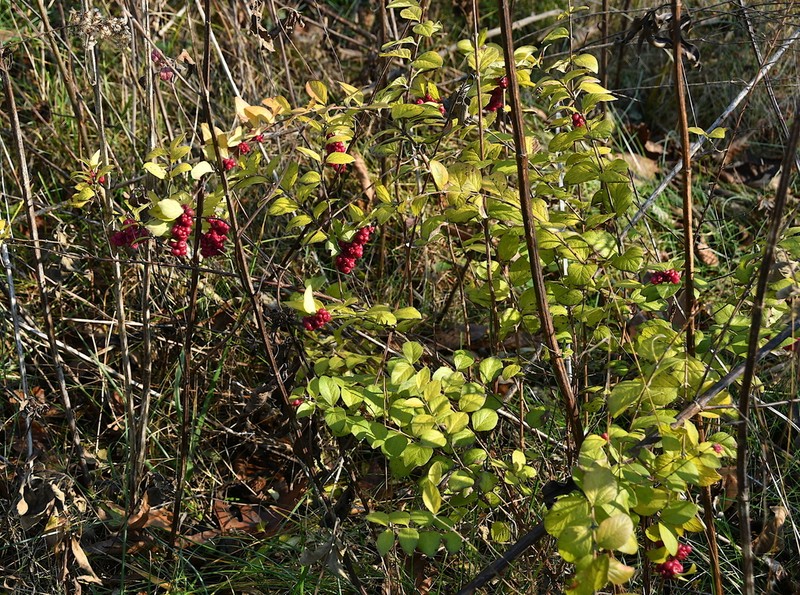
Coralberry
Symphoricarpos orbiculatus
- Native to:
- Mexico, United States, Virgin Islands
Cillas
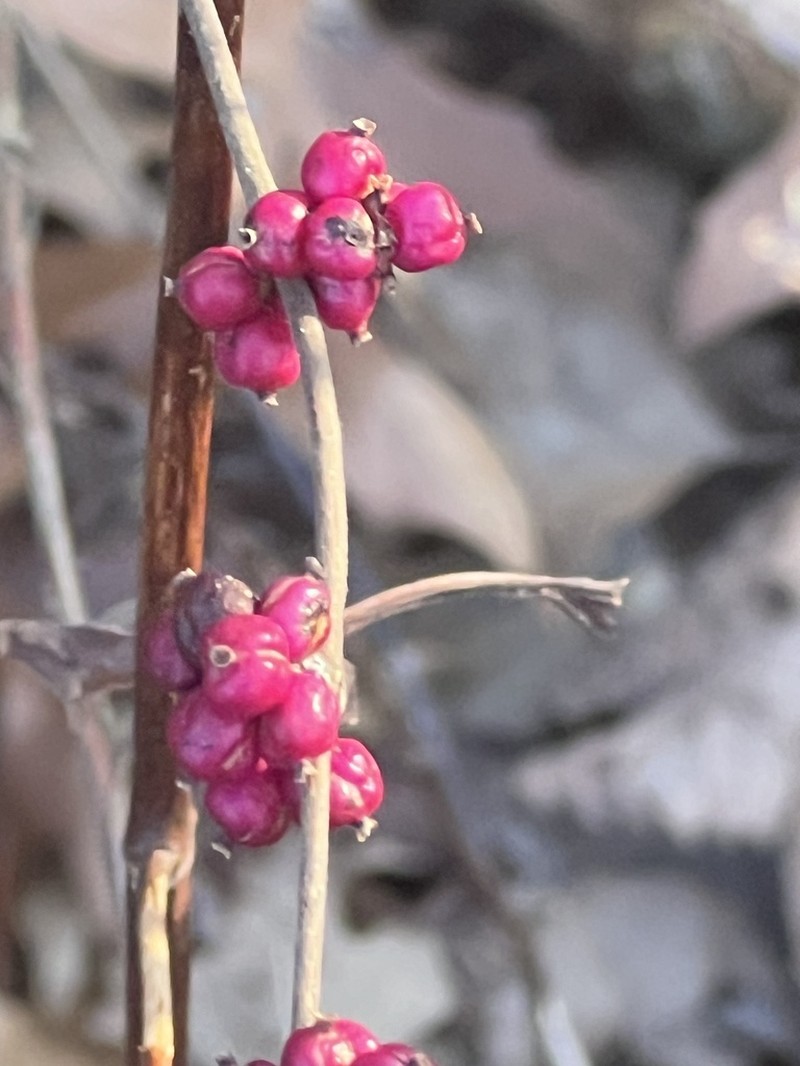
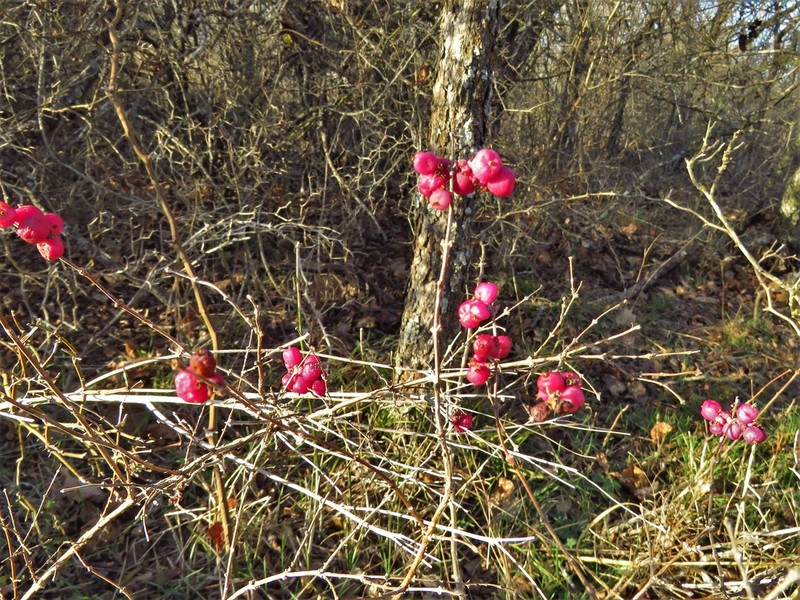
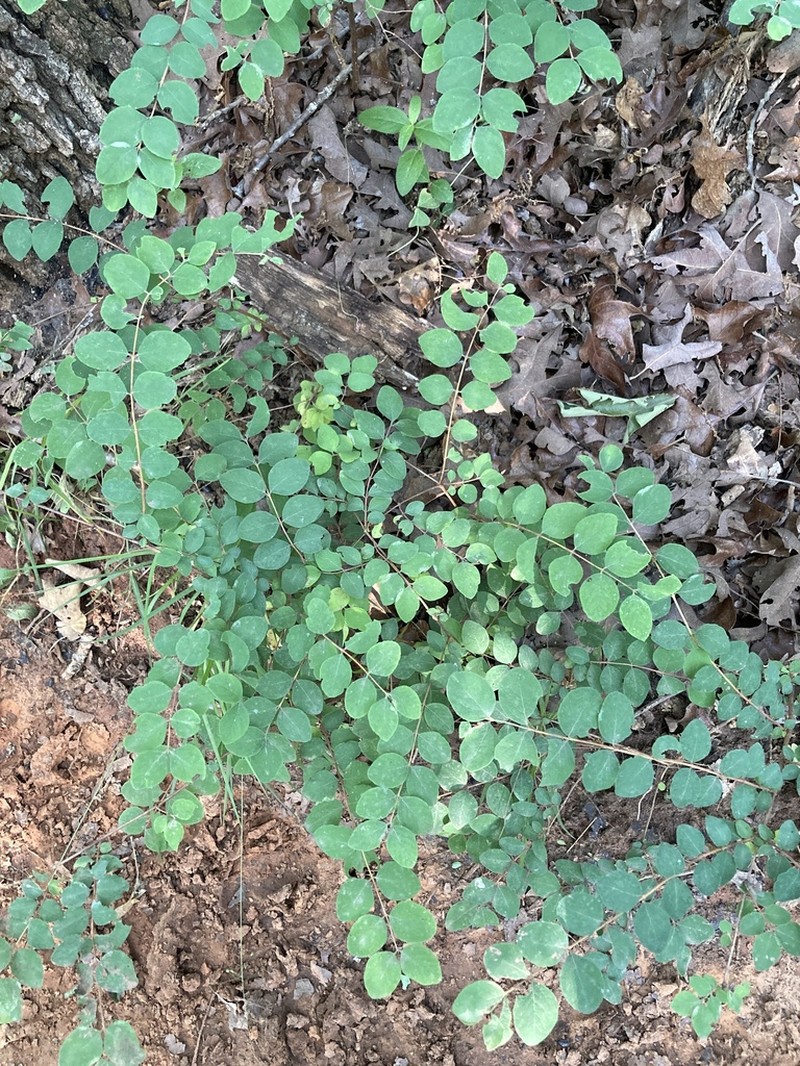
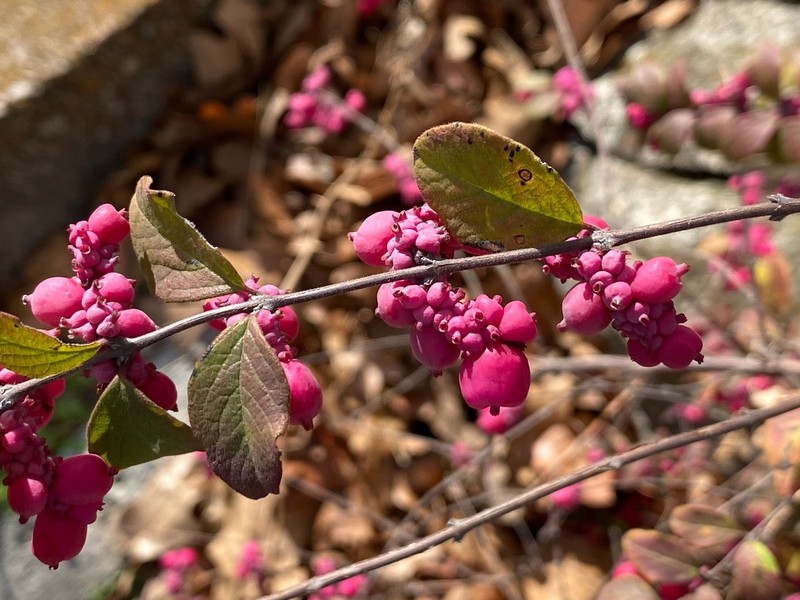
Taxonomy
- Division:
- Magnoliophyta | - Flowering plants
- Family:
- Caprifoliaceae
- Genus:
- Symphoricarpos
- Species:
- Symphoricarpos orbiculatus
- USDA Symbol:
- SYOR
Growth Characteristics
- Life Cycle:
- Perennial
- Growth Habit:
- Shrub
- Height:
- 200 cm
- Light Requirements:
- Part Shade,Shade
- Drought Tolerance:
- Medium
- Bloom Months:
- jun,jul,aug
- Bloom Colors:
- white, pink
- Landscaping Shrub:
- Yes
Wildlife Benefits
- Bees:
- ★☆☆☆☆ Documented bee visitation (GBIF)
- Butterflies & Moths:
- ★★★☆☆ Documented Lepidoptera association (GBIF)
- Caterpillars:
- ★★☆☆☆ Recorded caterpillar host plant (HOSTS Database)
Host Plant for Caterpillars
Cameraria affinis, Faint-spotted Palthis Moth (Palthis asopialis), Harrisimemna trisignata, Io moth (Automeris io), Leconte's haploa (Haploa lecontei), Phyllonorycter emberizaepenella, Phyllonorycter fragilella, Phyllonorycter mariaeella, Phyllonorycter symphoricarpaeella, Snowberry Clearwing (Hemaris diffinis), Vashti sphinx (Sphinx vashti), Baltimore checkerspot (Euphydryas phaeton)
Reported Fauna Sightings
Bees: American bumble bee (Bombus pensylvanicus), Brown-belted bumble bee (Bombus griseocollis) Moths:Snowberry Clearwing (Hemaris diffinis), White-lined sphinx moth (Hyles lineata)
Garden & Ecology Notes
- Wildlife Value:
- birds, small mammals
- Deer Resistant:
- Yes
- Fall Color:
- red, purple
Soil Requirements
- Soil Type:
- rich, well-drained loamy soil
- pH:
- 5.5 - 7.5 (slightly acidic to neutral)
- Drainage:
- tolerates poor drainage
- Moisture:
- dry to moderate
- Notes:
- prefers open woods and thickets
Propagation & Germination
- Stratification:
- Cold/moist stratification required — 60–90 days
- Germination Time:
- 30–60 days
- Notes:
- Seeds benefit from cold stratification for 60-90 days to break dormancy.
Pre-treatment: Seeds require a warm and cold, moist stratification for 150 days to overcome seed dormancy.
Establishment: Seeds are collected from local sources within a 50 mile radius of the nursery. The plant is found within temperate deciduous forests of North America, throughout the eastern and central United States, and in Utah. It is also found from Connecticut to North Carolina and Louisiana, west to Michigan and Colorado.
Source: npn.rngr.net
Where to Buy
Nationwide Seller
- Native Plants Nursery (nursery)
- Prairie Moon Nursery (nursery and seeds)
- Sheffield's Seed (seeds)