
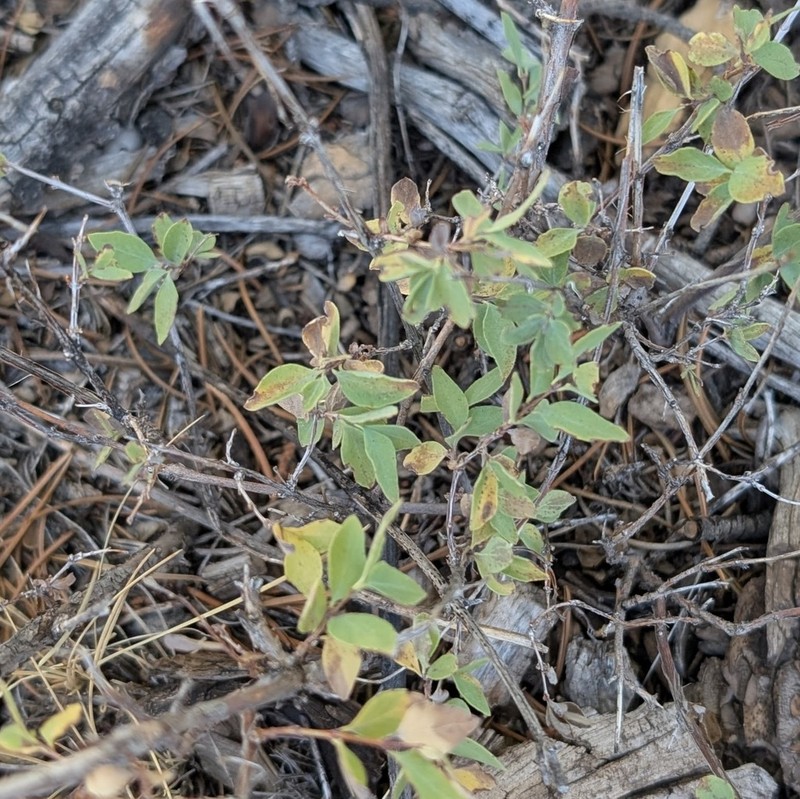
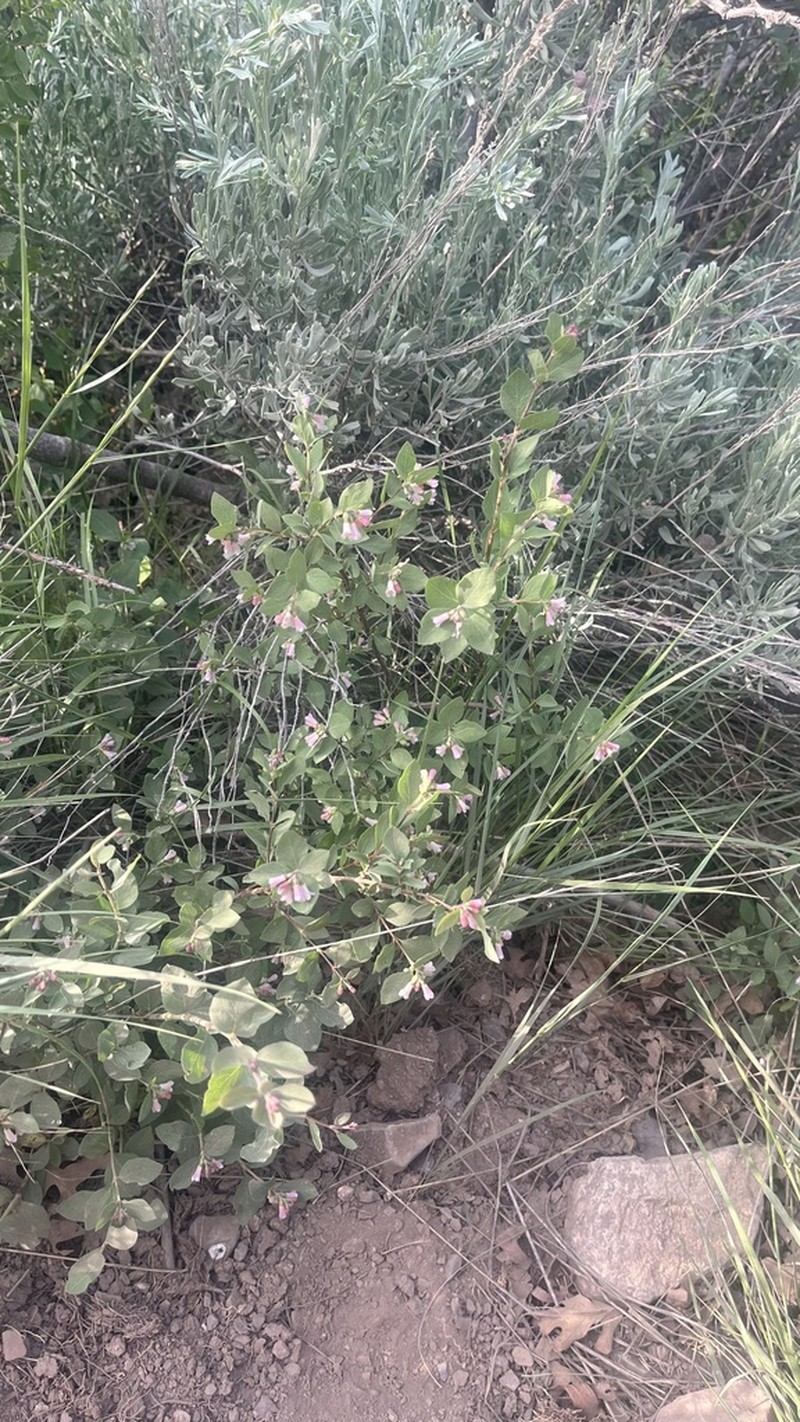
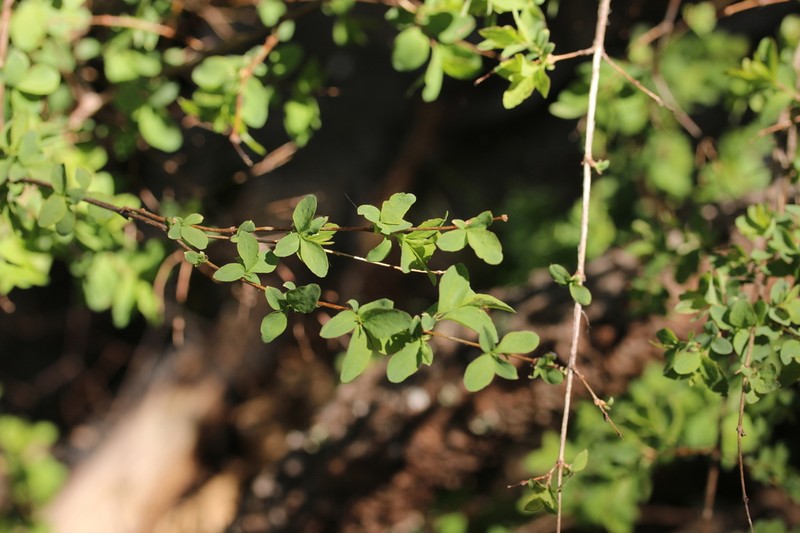
Mountain Snowberry
Symphoricarpos oreophilus
- Native to:
- Canada, United States
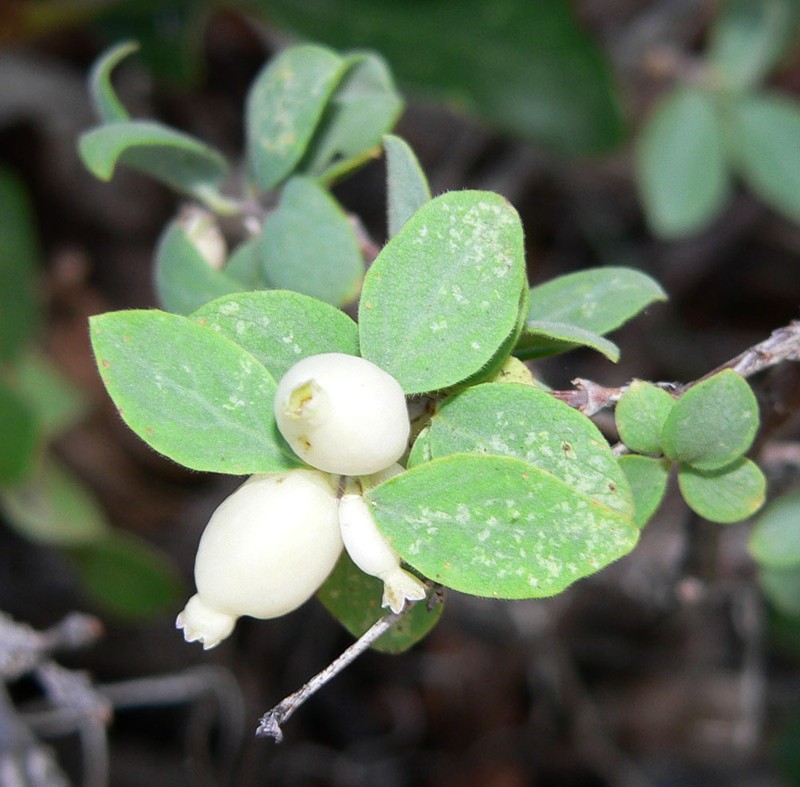
Stan Shebs
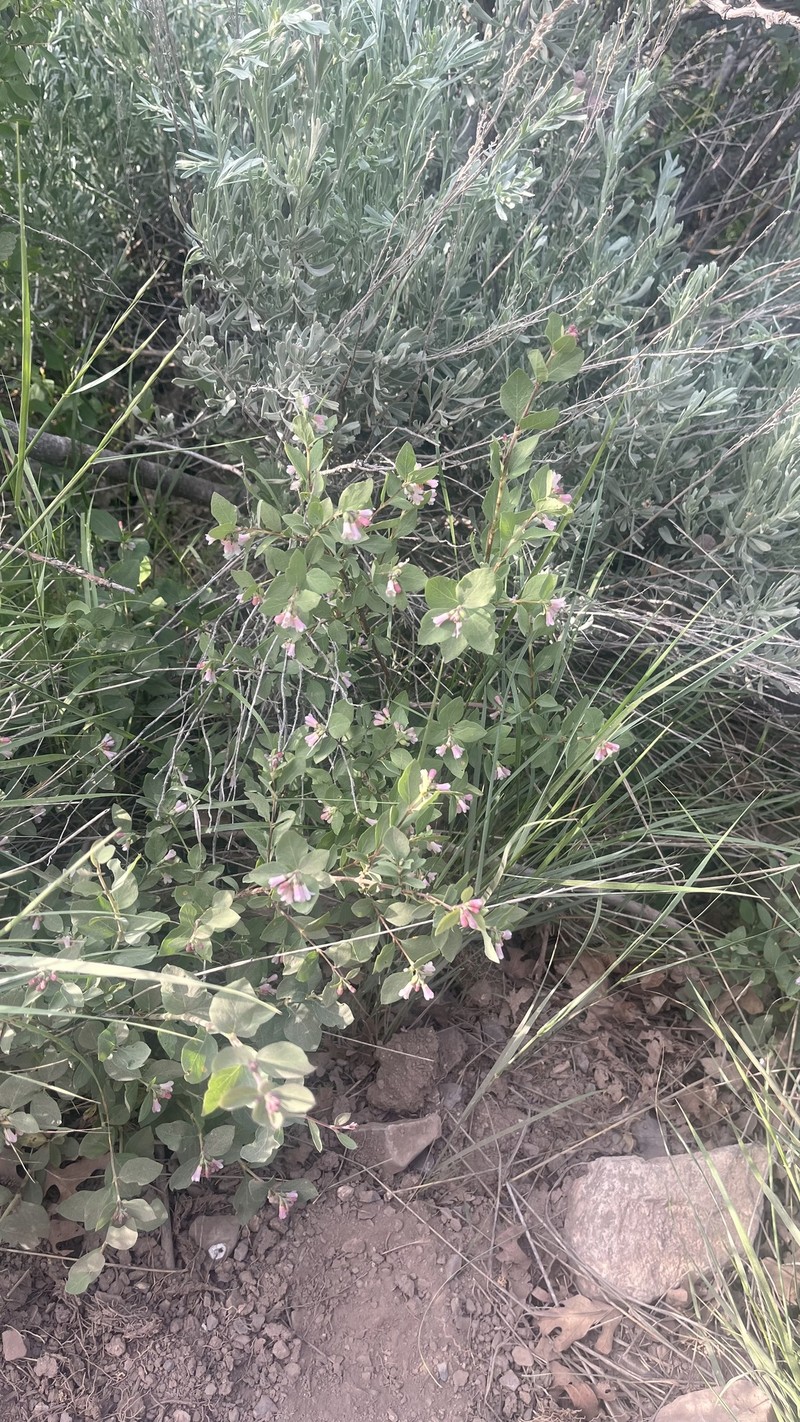
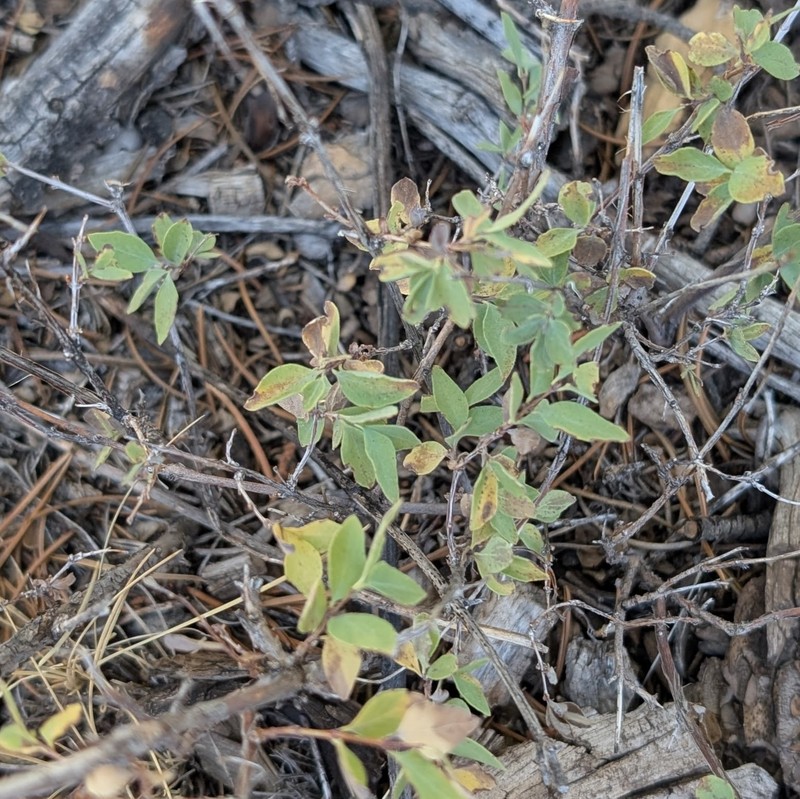
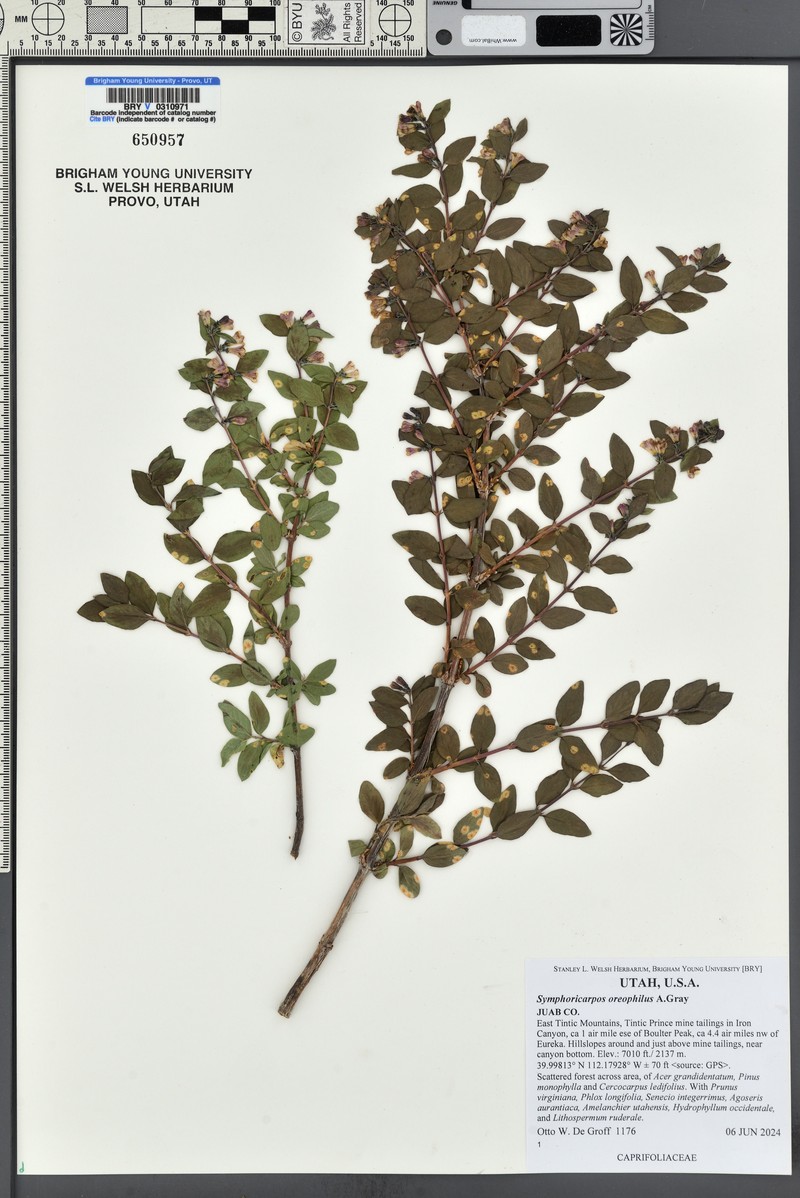
Taxonomy
- Division:
- Magnoliophyta | - Flowering plants
- Family:
- Caprifoliaceae
- Genus:
- Symphoricarpos
- Species:
- Symphoricarpos oreophilus
- USDA Symbol:
- SYOR2
Growth Characteristics
- Life Cycle:
- Perennial
- Growth Habit:
- Shrub
- Height:
- 150 cm
- Light Requirements:
- Part Shade
- Drought Tolerance:
- Medium
- Bloom Months:
- jun,jul,aug
- Bloom Colors:
- pink, white
- Landscaping Shrub:
- Yes
Wildlife Benefits
- Bees:
- ★☆☆☆☆ Documented bee visitation (GBIF)
- Butterflies & Moths:
- ★☆☆☆☆ Documented Lepidoptera association (GBIF)
- Caterpillars:
- ★☆☆☆☆ Recorded caterpillar host plant (HOSTS Database)
Host Plant for Caterpillars
Reported Fauna Sightings
Garden & Ecology Notes
- Wildlife Value:
- birds, small mammals
- Deer Resistant:
- Yes
- Fall Color:
- red, purple
Soil Requirements
- Soil Type:
- well-drained, rocky or sandy loam
- pH:
- 6.0 - 8.0 (slightly acidic to neutral)
- Drainage:
- excellent drainage required
- Moisture:
- dry to moderate
- Notes:
- adapted to mountainous and arid regions
Propagation & Germination
- Stratification:
- Cold/moist stratification required — 60–90 days
- Germination Time:
- 30–60 days
- Notes:
- Seeds benefit from cold stratification for 60-90 days to break dormancy.
Pre-treatment: For seeds: Scarification in sulfuric acid for 30 minutes, stratification for 21 days at room temperature, then stratification at 2 to 5 C for a minimum of 90 days. For cuttings: 5-second quick dip in a 500 ppm IBA/NAA solution, air dry, and stick to a depth of 10 cm. Alternatively, trim cuttings to a 5- to 6-inch length, remove all buds, leaves, and branches from the basal 2 to 3 in. of each cutting, wound the basal end of the stem, and insert into rooting compound.
Establishment: Different protocols suggest both seed and cutting propagation methods. The germination rate for cuttings seems to be slightly higher. Seed collection is done in late summer or early fall, while cuttings are taken from dormant plants in March or from current season's growth in early August.
Source: npn.rngr.net
Where to Buy
Nationwide Seller
- Sheffield's Seed (seeds)
- Native Seed Group (seeds)