
Silver Buffaloberry
Shepherdia argentea
Taxonomy
- Division:
- Magnoliophyta | - Flowering plants
- Family:
- Elaeagnaceae
- Genus:
- Shepherdia
- Species:
- Shepherdia argentea
Growth Characteristics
- Life Cycle:
- Perennial
- Growth Habit:
- Shrub , Tree
- Height:
- 20-40 ft
- Light Requirements:
- Full Sun
- Drought Tolerance:
- High
- Bloom Months:
- apr, may
- Bloom Colors:
- White, Yellow
Native Range
United States: Arizona, California, Colorado, Iowa, Idaho, Kansas, Michigan, Minnesota, Montana, North Dakota, Nebraska, New Mexico, Nevada, New York, Oregon, South Dakota, Utah, Wisconsin, Wyoming, Canada: Alberta, British Columbia, Manitoba, Saskatchewan
Host Plant for Caterpillars
Ceanothus Silkmoth (Hyalophora euryalus), Coleophora elaeagnisella, Columbia silk moth (Hyalophora columbia), Kaslo silkmoth (Hyalophora "kasloensis"), Melanchra assimilis, Papestra cristifera, Spiramater lutra, Western tent caterpillar (Malacosoma californica)
Soil Requirements
- Soil Type:
- sandy, well-drained, nutrient-poor soil
- pH:
- 6.0 - 8.0 (slightly acidic to alkaline)
- Drainage:
- excellent drainage required
- Moisture:
- dry to moderate
- Notes:
- thrives in poor, dry soils typical of prairies
Germination Information
Pre-treatment: Seeds are stratified for 60 to 90 days or naturally stratified by planting them in the fall in a thin layer of sand on mulched field beds.
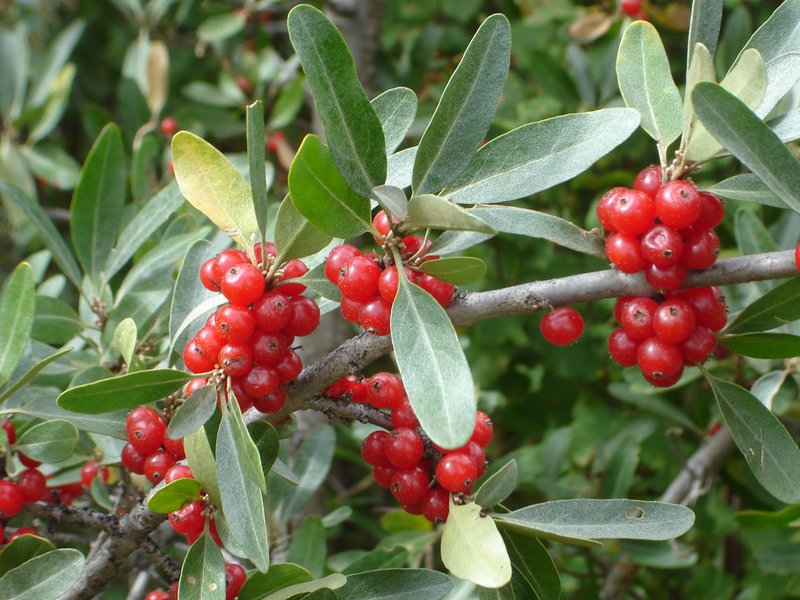
Establishment: Seeds are wild collected during fall months and are kept separated according to site, elevation and source. Mature fruit is a fleshy red berry. S. argentea is found in all western states except Washington. It is also found in the upper Midwest to New York and the Great Plains states.
Source: npn.rngr.net