
Small Cranberry
Vaccinium oxycoccos
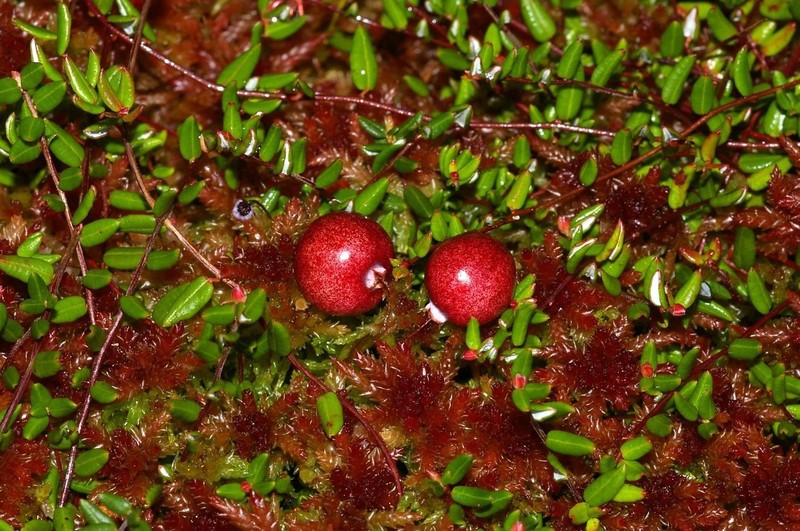
Taxonomy
- Division:
- Magnoliophyta | - Flowering plants
- Family:
- Ericaceae
- Genus:
- Vaccinium
- Species:
- Vaccinium oxycoccos
Growth Characteristics
- Life Cycle:
- Perennial
- Growth Habit:
- Shrub , Subshrub
- Height:
- Less than 6 in
- Light Requirements:
- Full Sun, Part Shade, Shade
- Drought Tolerance:
- High
- Bloom Months:
- mar, apr, may, jun, jul, aug
- Bloom Colors:
- Pink
- Evergreen Shrub:
- Yes
Native Range
United States: Alaska, Connecticut, Idaho, Illinois, Indiana, Massachusetts, Maryland, Maine, Michigan, Minnesota, New Hampshire, New Jersey, New York, Ohio, Oregon, Pennsylvania, Rhode Island, Virginia, Vermont, Washington, Wisconsin, West Virginia, Canada: Alberta, British Columbia, Manitoba, New Brunswick, Nova Scotia, Northwest Territories, Nunavut, Ontario, Prince Edward Island, Quebec, Saskatchewan, Yukon
Keystone Species Ranking
- Caterpillar Keystone:
- ★☆☆☆☆ Based on number of butterfly and moth species using this genus as host plant (Source: National Wildlife Federation)
- Bee Keystone:
- ★★★★☆ Based on number of native bee species using this genus for pollen and nectar (Source: National Wildlife Federation)
Host Plant for Caterpillars
Rhopobota finitimana, ⚠️Bog Fritillary (Clossiana eunomia), Epidemia dorcas, Epidemia epixanthe
Soil Requirements
- Soil Type:
- peaty, acidic, nutrient-poor soil
- pH:
- 3.0 - 5.5 (strongly acidic to acidic)
- Drainage:
- poor drainage tolerated
- Moisture:
- consistently moist
- Notes:
- commonly found in bogs and wetlands
Germination Information
Pre-treatment: Cold-moist stratification for 30 days at 1–5°C (34–41°F).; then Cold-moist stratification for 60 days.
Source: OpenAI GPT-4o