
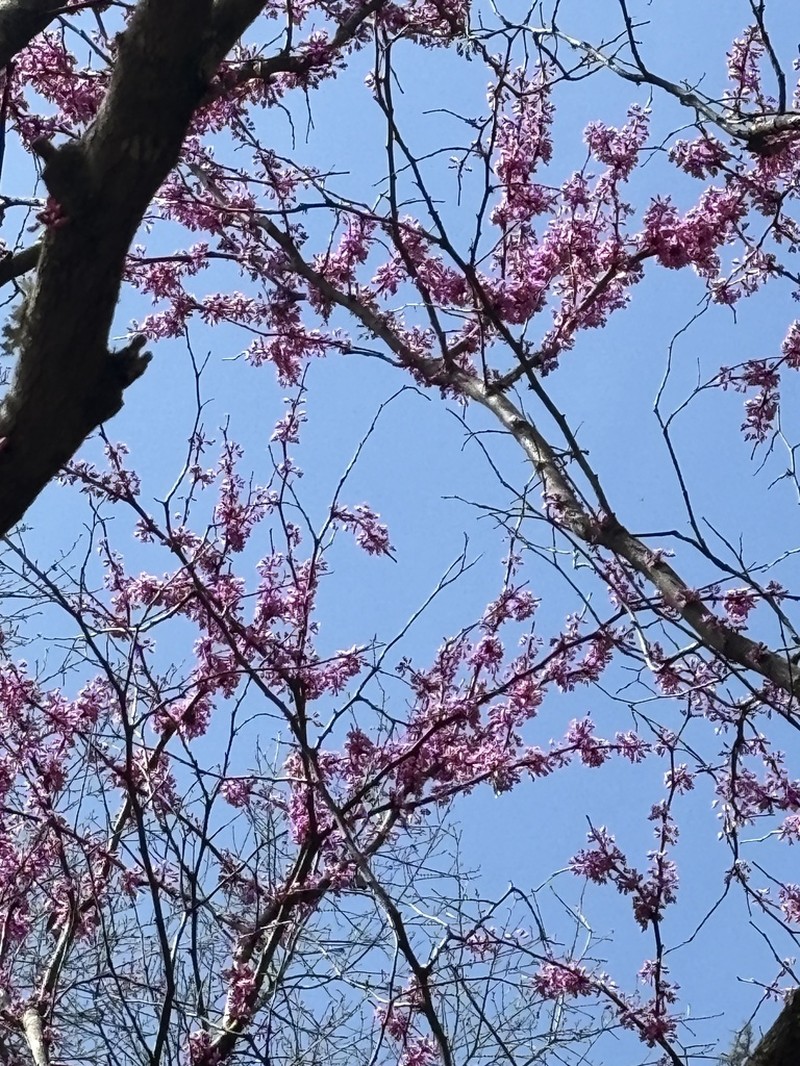
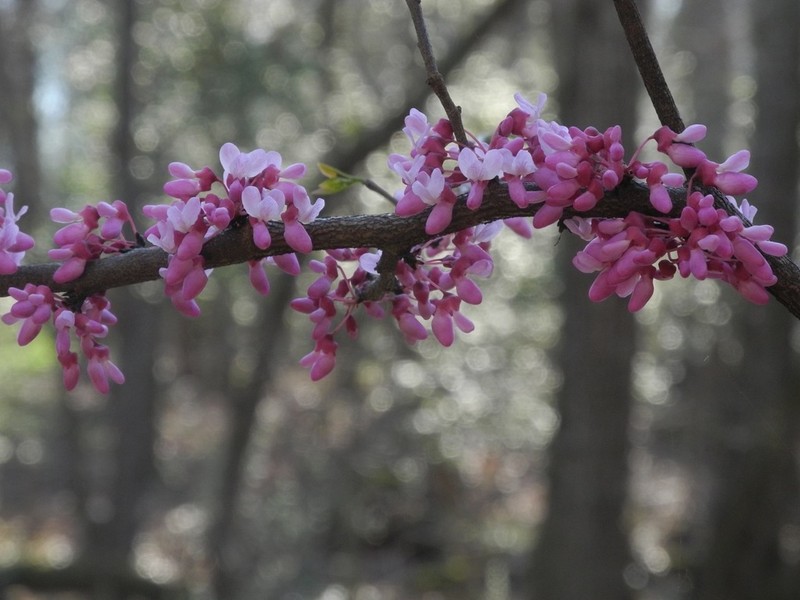
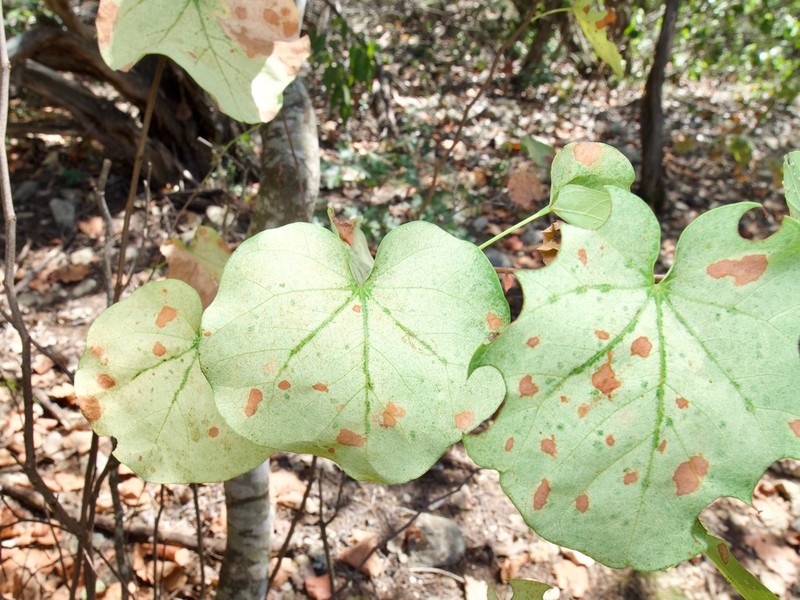
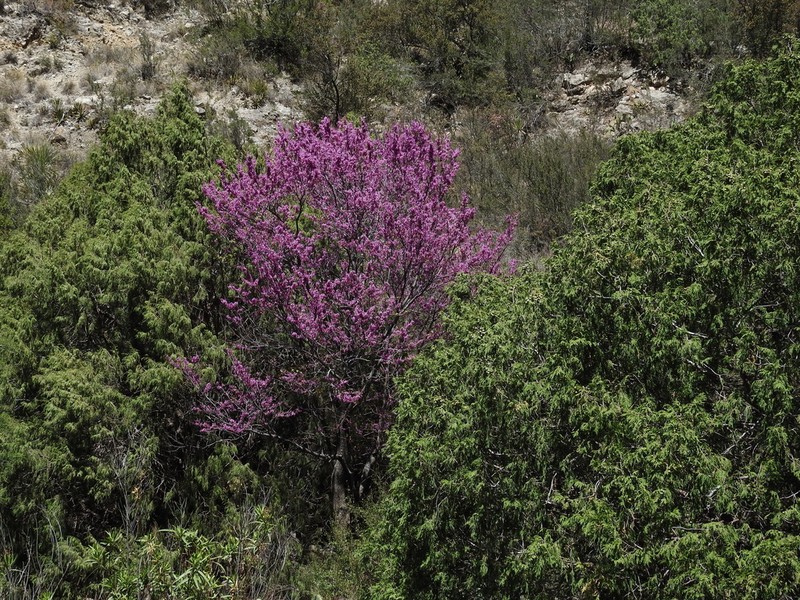
Eastern Redbud
Cercis canadensis
- Native to:
- Canada, Mexico, United States, Virgin Islands
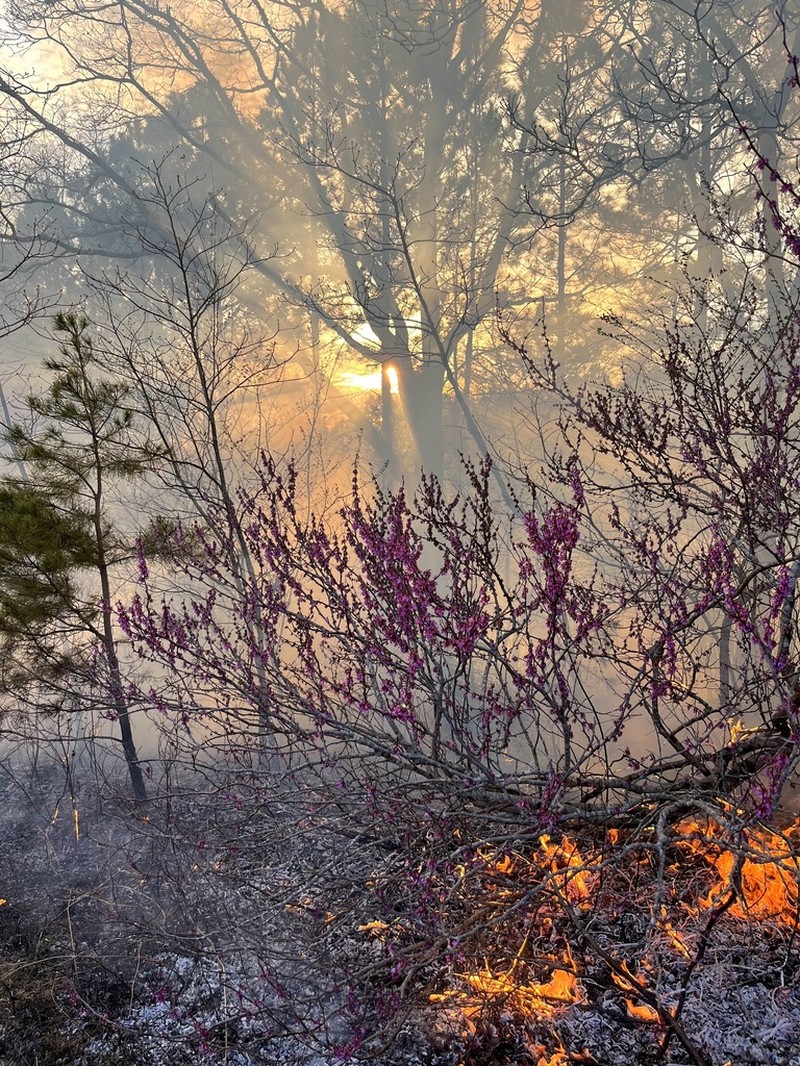
iNaturalist: © jackgugino (iNaturalist #229996523)
Taxonomy
- Division:
- Magnoliophyta | - Flowering plants
- Family:
- Fabaceae
- Genus:
- Cercis
- Species:
- Cercis canadensis
- USDA Symbol:
- CECA4
Growth Characteristics
- Life Cycle:
- Perennial
- Growth Habit:
- Shrub , Tree
- Height:
- 1200 cm
- Light Requirements:
- Part Shade,Shade
- Drought Tolerance:
- Medium
- Bloom Months:
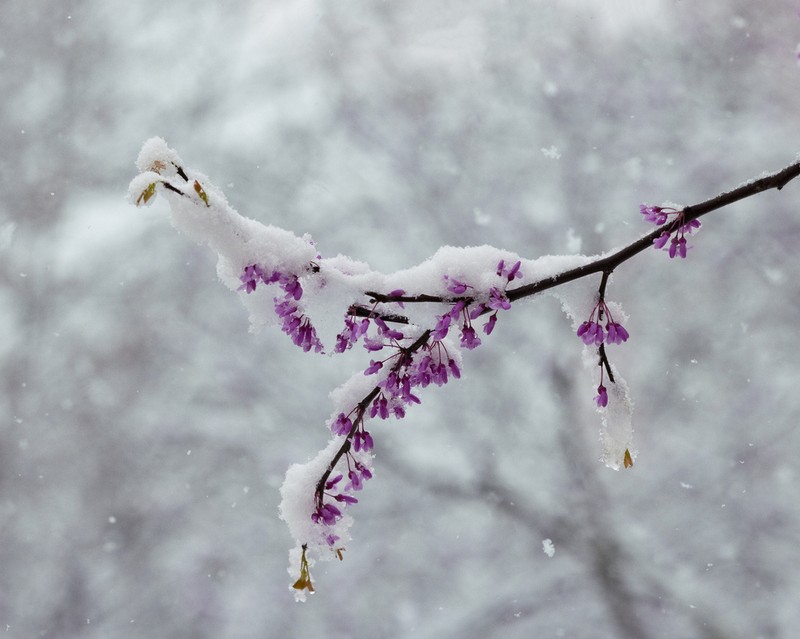
- mar,apr,may
- Bloom Colors:
- pink, purple
Wildlife Benefits
- Bees:
- ★★☆☆☆ Documented bee visitation (GBIF)
- Butterflies & Moths:
- ★★★☆☆ Documented Lepidoptera association (GBIF)
- Caterpillars:
- ★★★☆☆ Recorded caterpillar host plant (HOSTS Database)
- Hummingbirds:
- ★☆☆☆☆ Documented hummingbird visits (GBIF)
Keystone Species Ranking
- Caterpillar Keystone:
- ★★★☆☆ Butterfly & moth species supported by this genus (NWF)
Host Plant for Caterpillars
Reported Fauna Sightings
Garden & Ecology Notes
- Wildlife Value:
- birds, butterflies, bees
- Fall Color:
- yellow
Soil Requirements
- Soil Type:
- rich, well-drained loamy soil
- pH:
- 6.5 - 8.0 (slightly acidic to neutral)
- Drainage:
- excellent drainage required
- Moisture:
- dry to moderate
- Notes:
- prefers fertile soil but adaptable to various conditions
Propagation & Germination
- Stratification:
- Cold/moist stratification required — 60–90 days
- Scarification:
- Seed coat scarification required before sowing
- Germination Time:
- 14–30 days
- Notes:
- Seeds require scarification (hot water or sanding) followed by cold stratification for 60-90 days.
Pre-treatment: Seeds are scarified and cold stratified for 35 to 56 days or treated with concentrated sulfuric acid 1:1 (v:v) acid to seeds for 30 minutes. After acid treatment, seeds are thoroughly rinsed in water to remove residual acid. Alternatively, seeds can be direct sown into prepared beds in the fall to achieve natural cold stratification.
Establishment: Seeds are collected from various sources, including local collectors, existing healthy stands of eastern redbud, and national parks. Seed collection times vary, but generally occur in the fall when the seed pods have turned tan or brown. The seeds are then stored until the appropriate planting time. Some protocols recommend the use of a Love seeder set at 3rd gear at 10 setting in prepared field beds, while others recommend hand sowing. The establishment phase may vary depending on the sowing time and method.
Source: npn.rngr.net
ORGHPS Germination Guide: Sow @ 20°C. Seed germinates within 3 months Requires scarification. Nick or rub between sheets of sandpaper. Requires soaking. Place in warm water until seeds swell, usually 24-48 hours. Discard water and any seeds that remain floating. * scarify very gently or will rot
Where to Buy
Nationwide Seller
- Native Plants Nursery (nursery)
- Sheffield's Seed (seeds)
- Vermont Wildflower Farm (nursery and seeds)