
Chinquapin
Castanea pumila
- Native to:
- United States, Virgin Islands
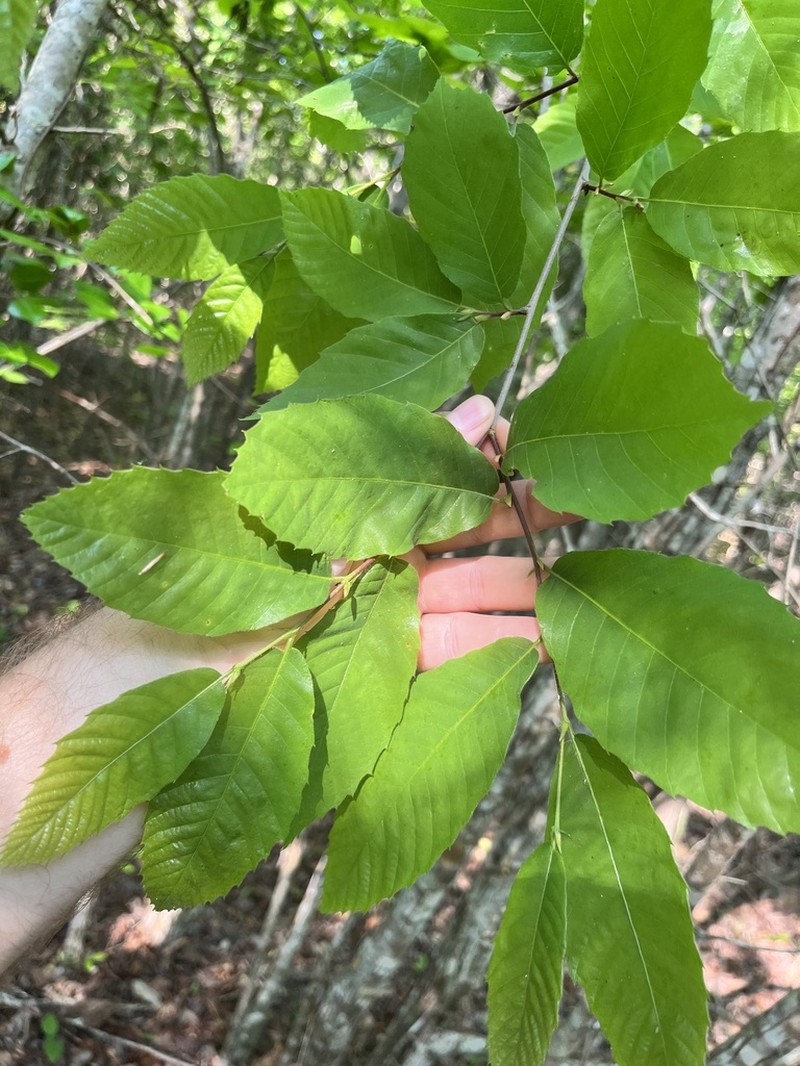
iNaturalist: © fountainfungi (iNaturalist #208259615)
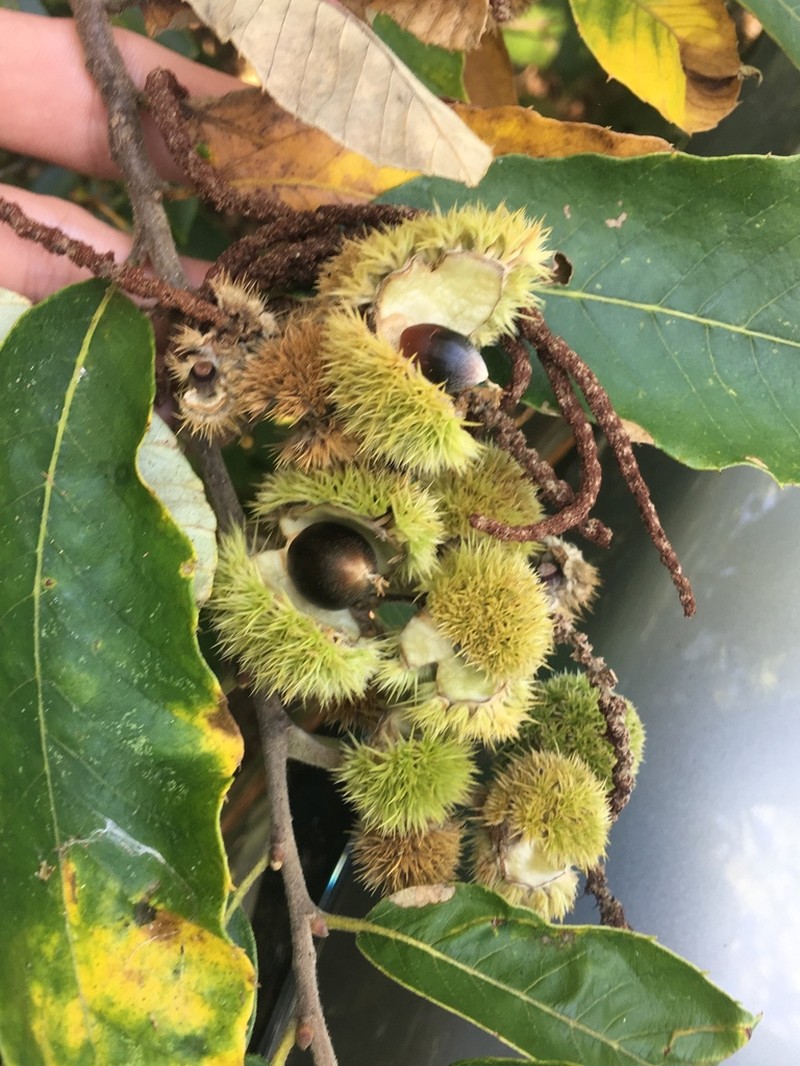
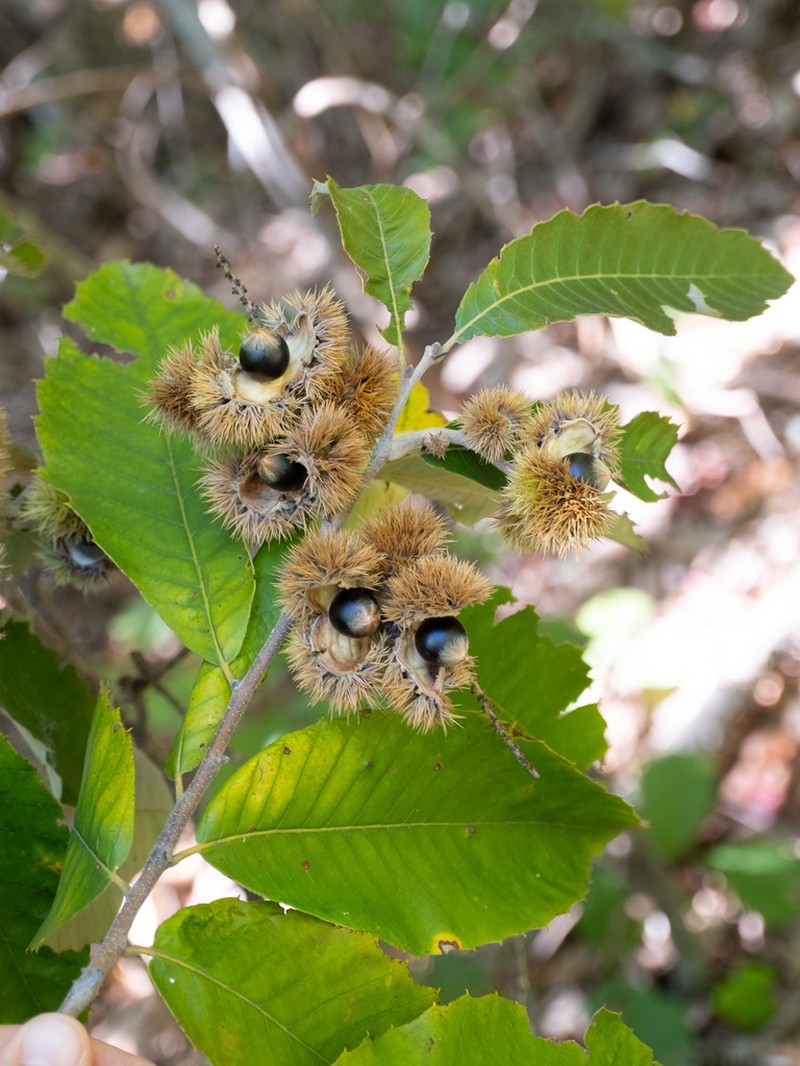
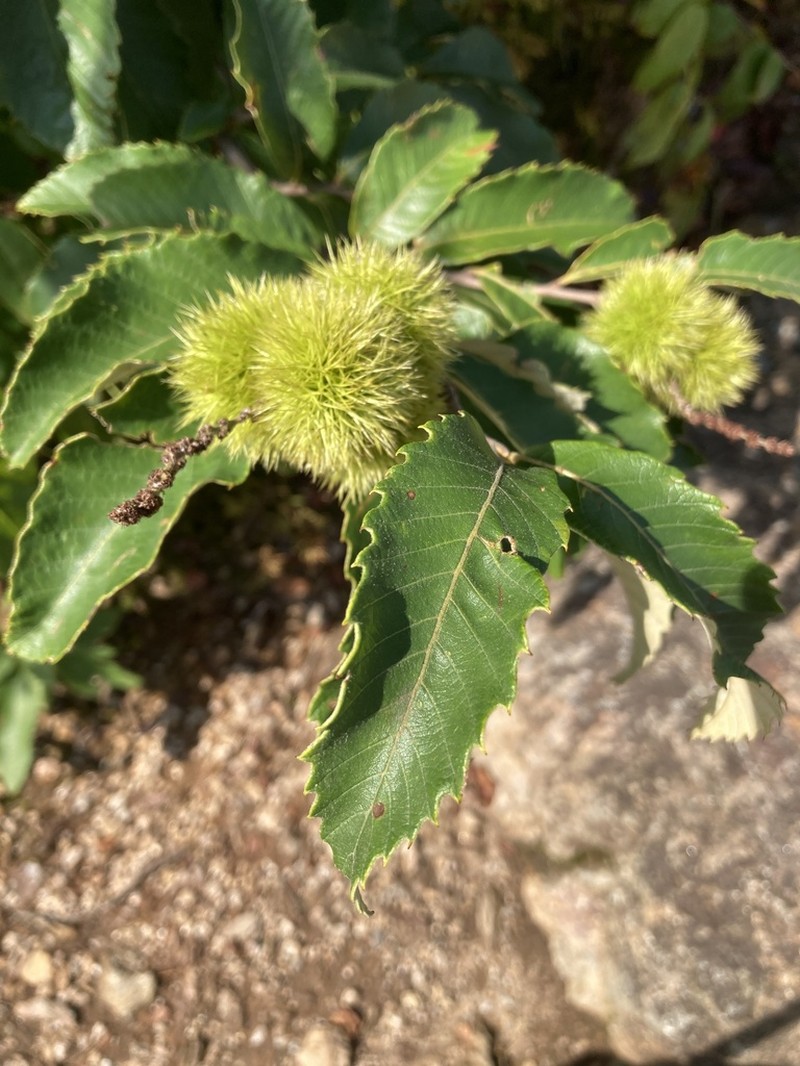
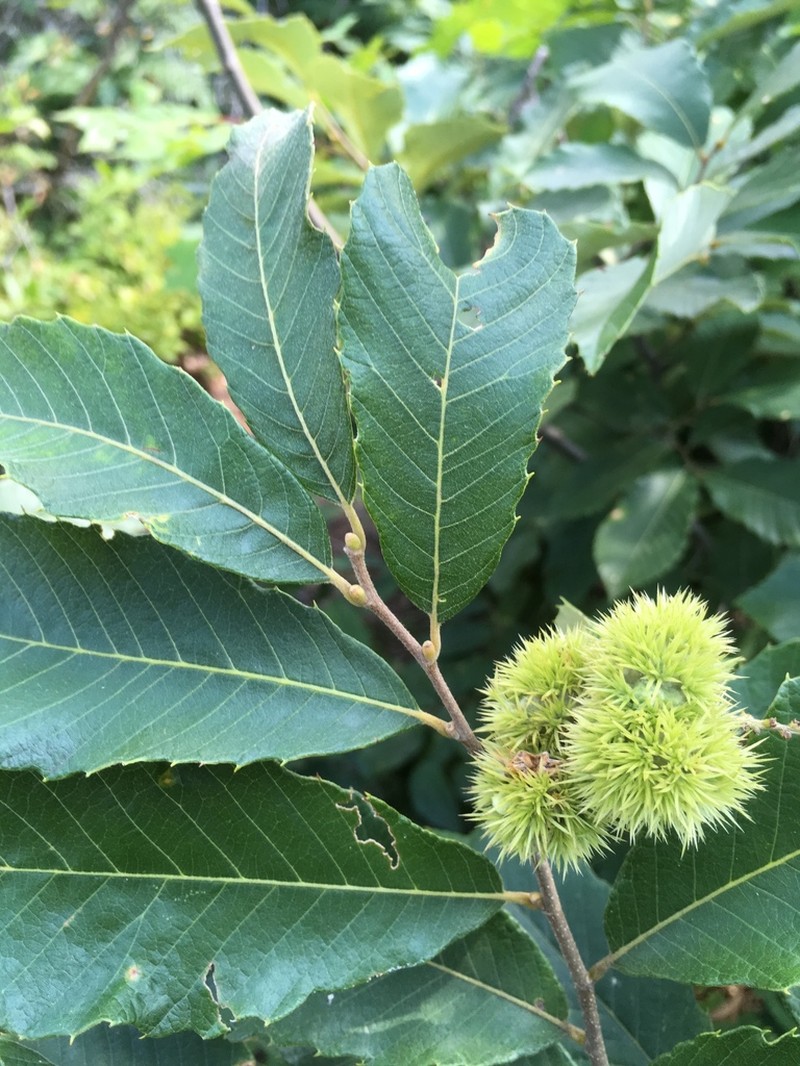
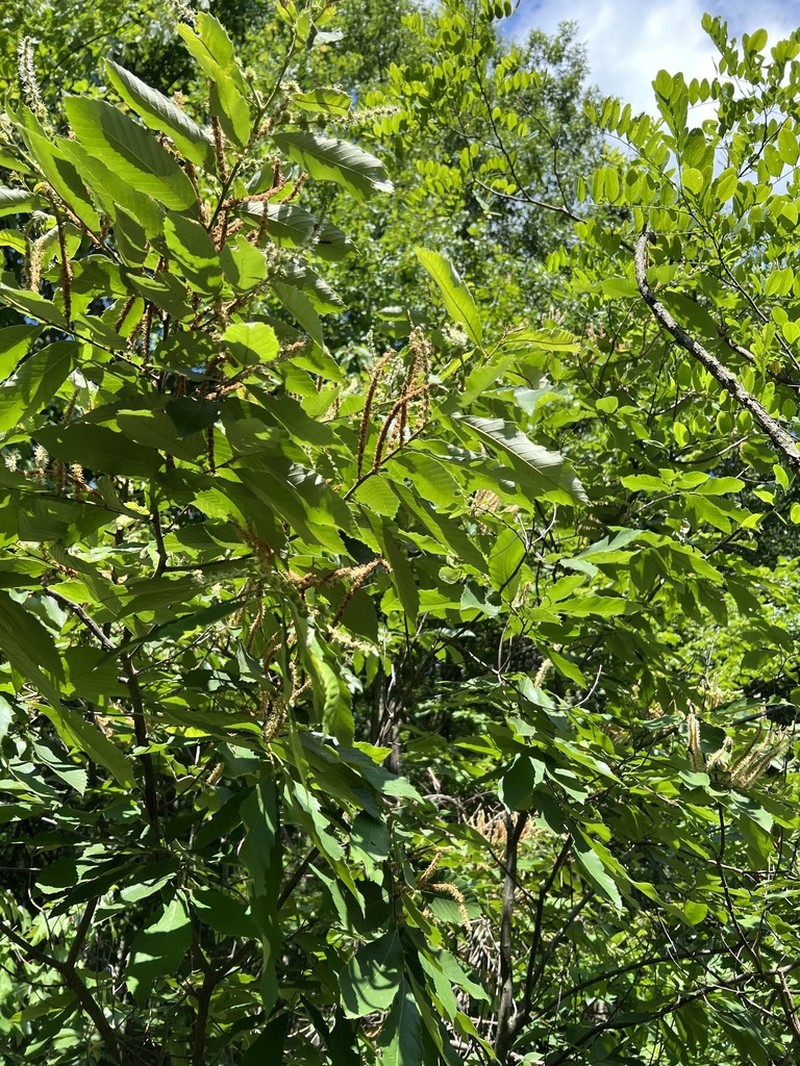
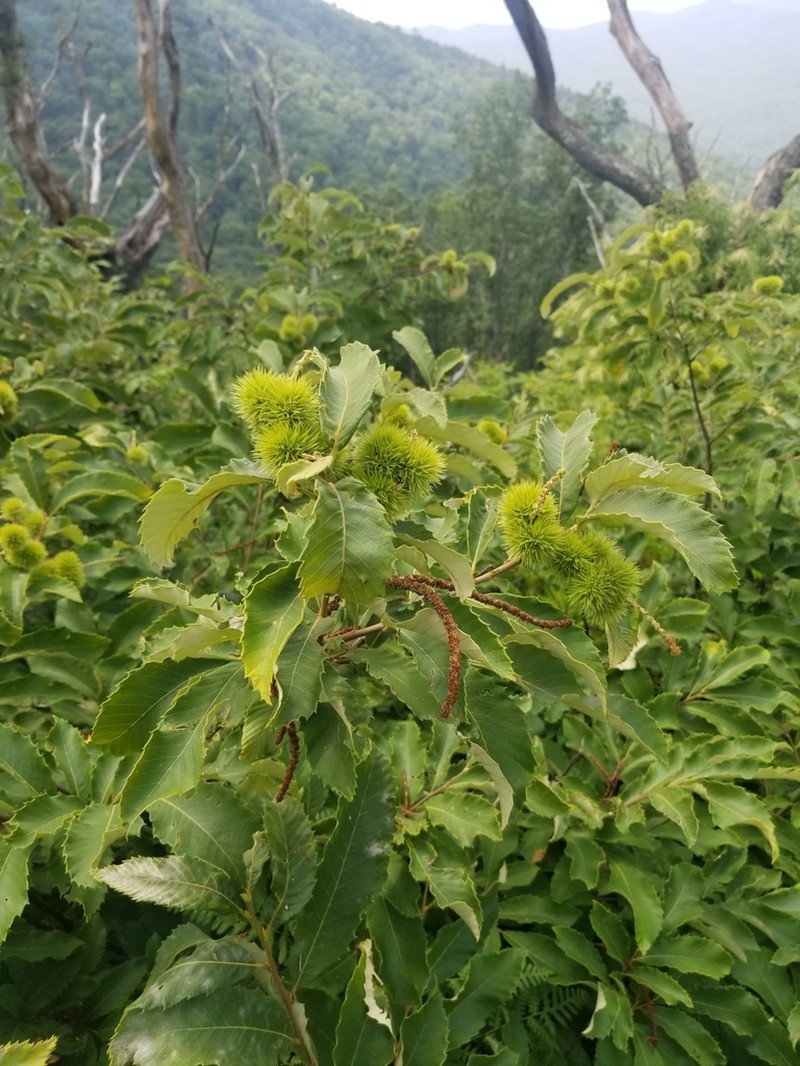
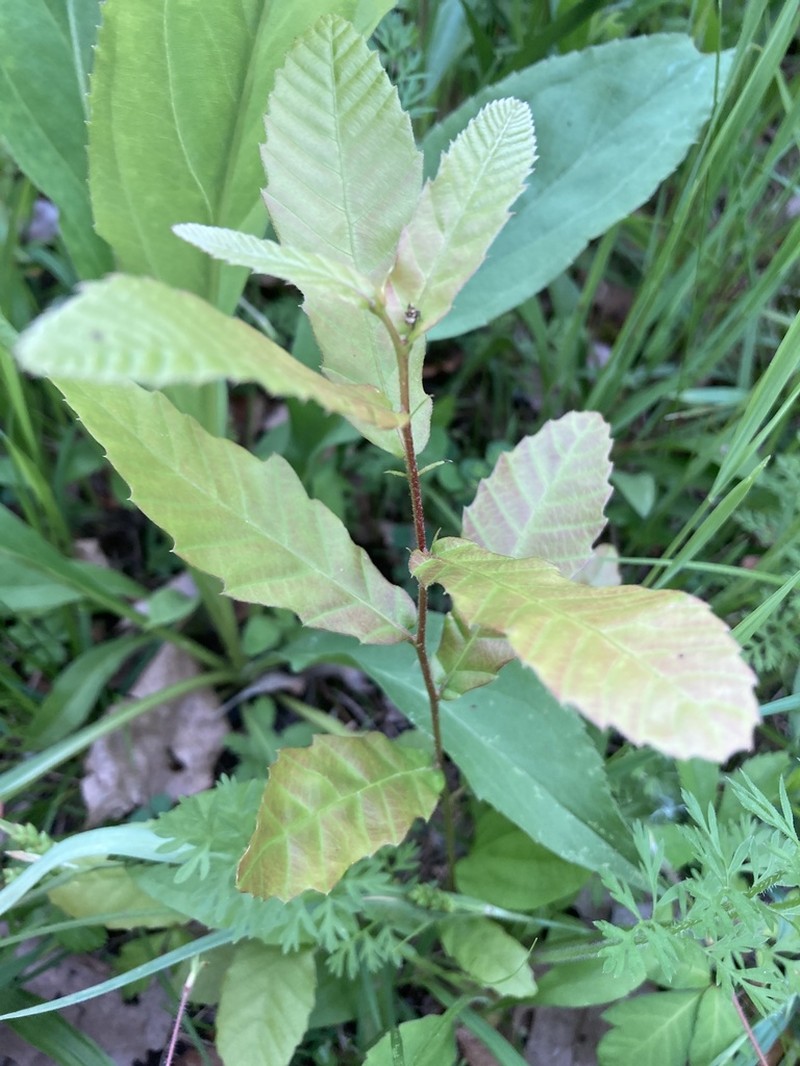
Taxonomy
- Division:
- Magnoliophyta | - Flowering plants
- Family:
- Fagaceae
- Genus:
- Castanea
- Species:
- Castanea pumila
- USDA Symbol:
- CAPU9
Growth Characteristics
- Life Cycle:
- Perennial
- Growth Habit:
- Shrub , Tree
- Height:
- 1500 cm
- Light Requirements:
- Part Shade
- Drought Tolerance:
- Medium
- Bloom Months:
- may,jun,jul
- Bloom Colors:
- white, yellow
Wildlife Benefits
- Bees:
- ★☆☆☆☆ Documented bee visitation (GBIF)
- Butterflies & Moths:
- ★★☆☆☆ Documented Lepidoptera association (GBIF)
- Caterpillars:
- ★★☆☆☆ Recorded caterpillar host plant (HOSTS Database)
Keystone Species Ranking
- Caterpillar Keystone:
- ★★★★★ Butterfly & moth species supported by this genus (NWF)
Host Plant for Caterpillars
Ancylis burgessiana, black-dotted spragueia (Spragueia onagrus), Dyseriocrania auricyanea, Fall webworm (Hyphantria cunea), Imperial Moth (Eacles imperialis), Neurobathra strigifinitella, Orange-tipped oakworm moth (Anisota senatoria), Phyllira Tiger Moth (Grammia phyllira), Polyphemus moth (Antheraea polyphemus), spotted oakworm moth (Anisota stigma), White-marked Tussock Moth (Orgyia leucostigma), Yellownecked caterpillar (Datana ministra)
Garden & Ecology Notes
- Wildlife Value:
- birds, mammals
- Fall Color:
- yellow, brown
Soil Requirements
- Soil Type:
- sandy, well-drained, acidic soil
- pH:
- 4.5 - 6.5 (acidic to slightly acidic)
- Drainage:
- excellent drainage required
- Moisture:
- dry to moderate
- Notes:
- prefers nutrient-poor conditions typical of native habitats
Propagation & Germination
- Stratification:
- Cold/moist stratification required — 60–90 days
- Germination Time:
- 30–60 days
- Notes:
- Seeds require cold stratification for 60-90 days to break dormancy; germination occurs in spring.
Pre-treatment: Seed may be floated in water to help determine viability. Seed that floats is normally poorly filled and has low or no viability. Floaters are discarded, while the seed that sinks is retained for planting.
Establishment: Seeds are collected from established seed orchards in the fall immediately after the burrs (spiny husks) have split open to expose the nuts. Chinkapin is native to the eastern and southern United States in USDA plant hardiness zones 6 to 10. It is tolerant of high heat and acid soils (pH 5.5-6.0), but is not tolerant of coastal salt spray or shade.
Source: npn.rngr.net
Where to Buy
Nationwide Seller
- Sheffield's Seed (seeds)