
European Chestnut
Castanea sativa
- Native to:
- Albania, East Aegean Is., Greece, Hungary, Iran, Lebanon-Syria, North Caucasus, NW. Balkan Pen., Transcaucasus, Türkiye, Türkiye-in-Europe
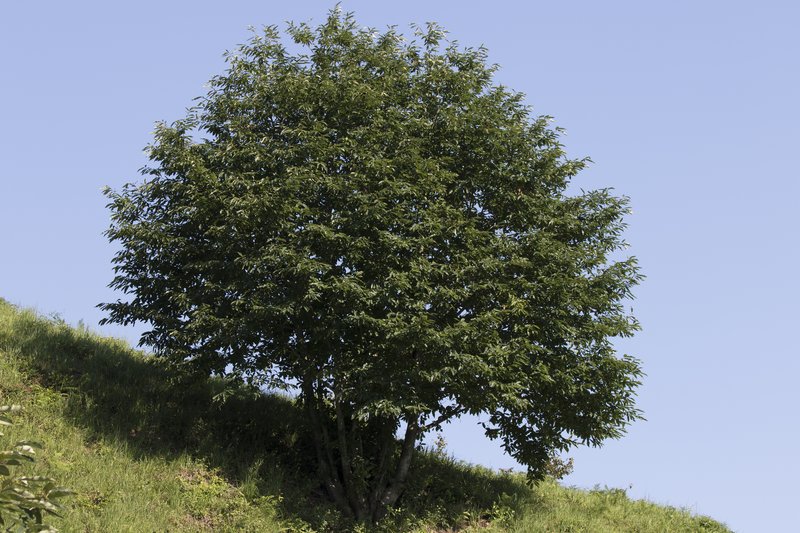
Zeynel Cebeci
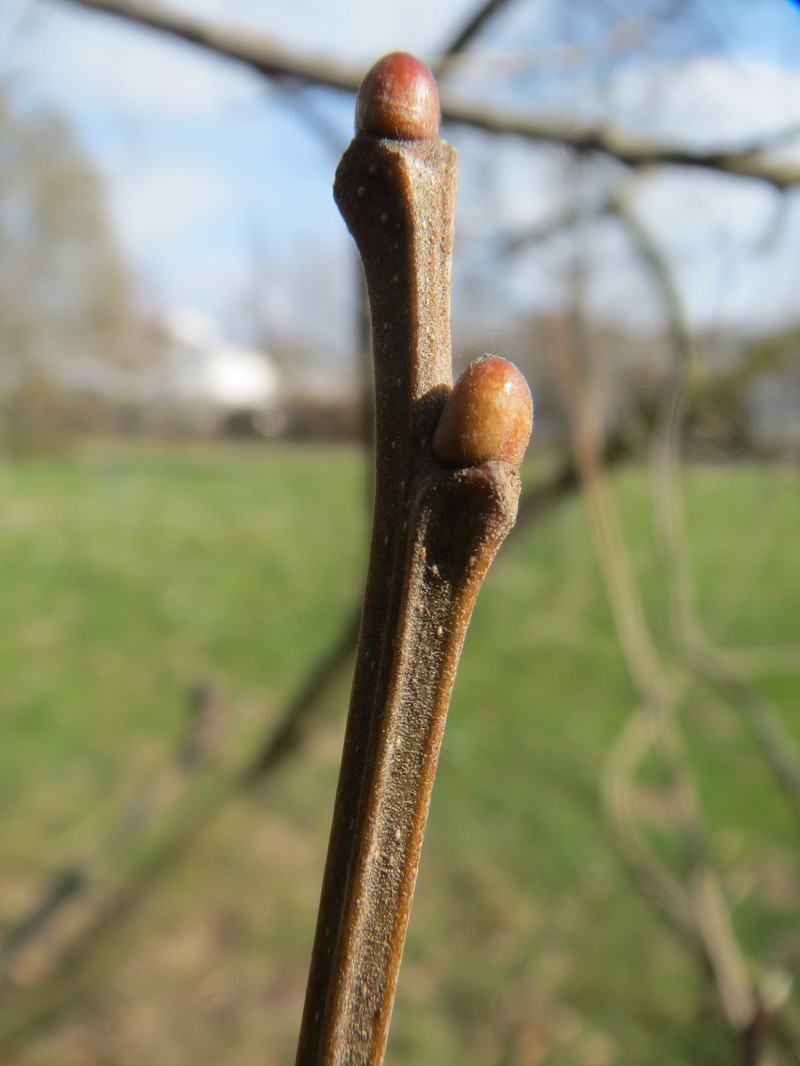
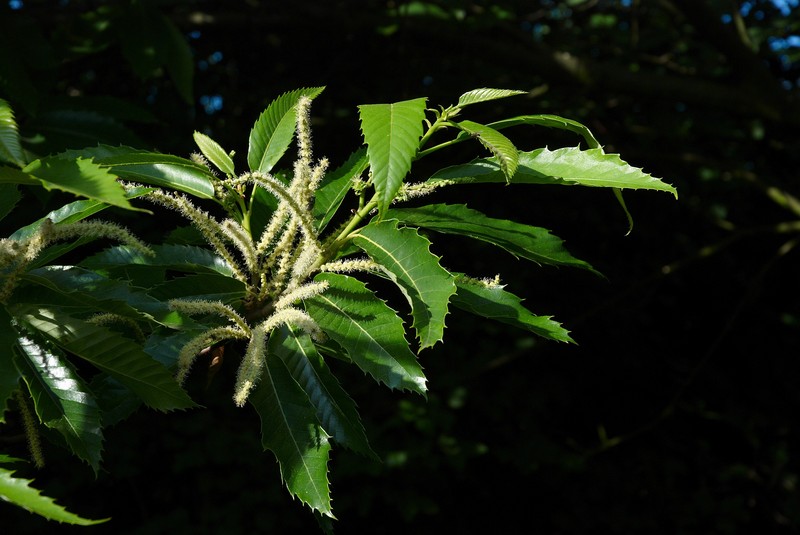
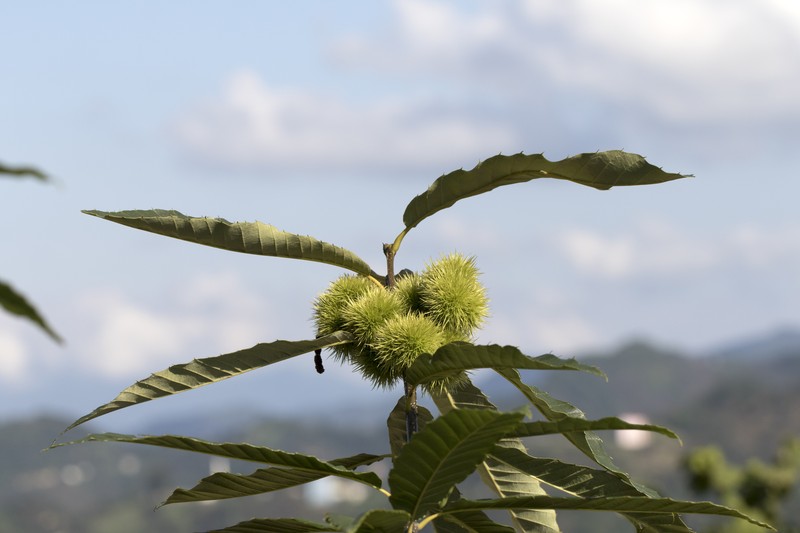
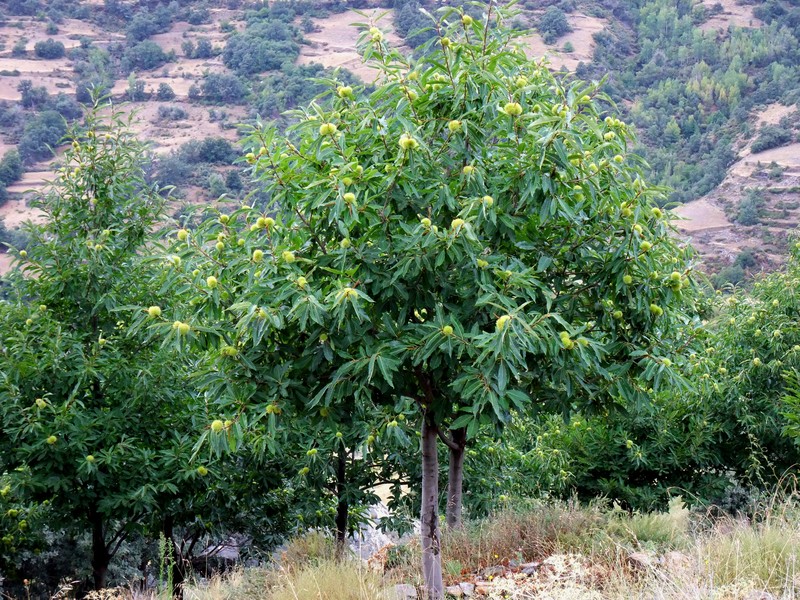
Taxonomy
- Division:
- Magnoliophyta | - Flowering plants
- Family:
- Fagaceae
- Genus:
- Castanea
- Species:
- Castanea sativa
- USDA Symbol:
- CASA27
Growth Characteristics
- Life Cycle:
- Perennial
- Growth Habit:
- Tree
- Height:
- 3000 cm
- Light Requirements:
- Full Sun
- Drought Tolerance:
- Medium
- Bloom Months:
- may,jun
- Bloom Colors:
- yellow-green
- Food Forest:
- Contains edible parts
Keystone Species Ranking
- Caterpillar Keystone:
- ★★★★★ Butterfly & moth species supported by this genus (NWF)
Host Plant for Caterpillars
Acronicta lithospila, American Dagger Moth (Acronicta americana), Ancylis burgessiana, black-dotted leaftier moth (Psilocorsis cryptolechiella), Cameraria castaneaeella, Carob moth (Ectomyelois ceratoniae), Carpenterworm Moth (Prionoxystus robiniae), chestnut ermine moth (Argyresthia castaneella), Coleophora leucochrysella, contracted datana (Datana contracta), Dogwood borer (Synanthedon scitula), Dyseriocrania auricyanea, Ectoedemia castaneae, 🛑Ectoedemia phleophaga (Ectoedemia phleophaga), Fig moth (Cadra figulilella), Finlayson's oakworm moth (Anisota finlaysoni), hag moth (Phobetron pithecium), Imperial Moth (Eacles imperialis), Indian meal moth (Plodia interpunctella), Isa textula, Luna moth (Actias luna), Melissopus latiferreanus, Menesta tortriciformella, Neurobathra strigifinitella, oak blotch miner moth (Tischeria quercitella), Orange-tipped oakworm moth (Anisota senatoria), Peppered Moth (Biston betularia), Phyllonorycter kearfottella, Pink-striped oakworm moth (Anisota virginiensis), Polyphemus moth (Antheraea polyphemus), Pseudexentera haracana, Pulse pod borer (Etiella zinckenella), skiff moth (Prolimacodes badia), spoliana leafroller moth (Pseudexentera spoliana), spotted oakworm moth (Anisota stigma), Stigmella castaneaefoliella, stinging rose caterpillar (Parasa indetermina), Tischeria castaneaeella, Walnut Sphinx (Amorpha juglandis), White-dotted Prominent (Nadata gibbosa), Yellownecked caterpillar (Datana ministra), Yellowstriped oakworm moth (Anisota peigleri)
Garden & Ecology Notes
- Wildlife Value:
- birds, mammals
- Fall Color:
- yellow
Soil Requirements
- Soil Type:
- rich, well-drained loamy soil
- pH:
- 4.5 - 6.5 (slightly acidic to neutral)
- Drainage:
- excellent drainage required
- Moisture:
- consistently moist
- Notes:
- prefers deep soils with good fertility
Propagation & Germination
- Stratification:
- Cold/moist stratification required — 60–90 days
- Germination Time:
- 30–60 days
- Notes:
- Seeds require cold stratification for 2-3 months; sow in spring after last frost.