
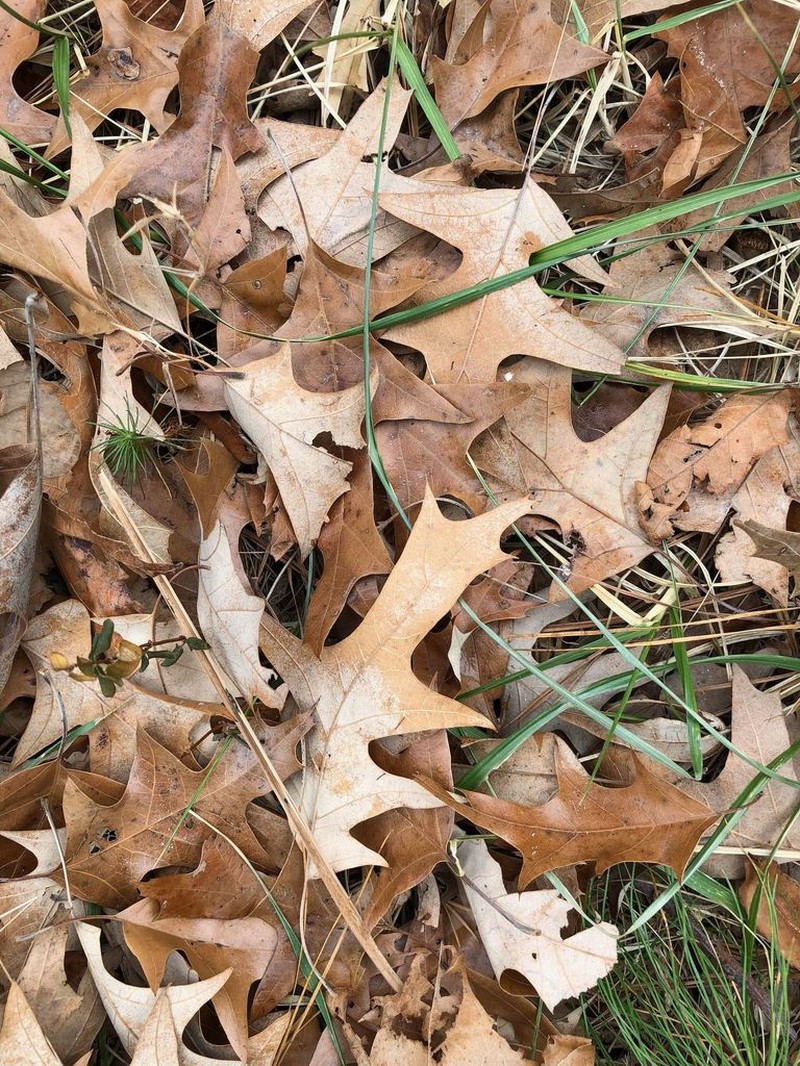
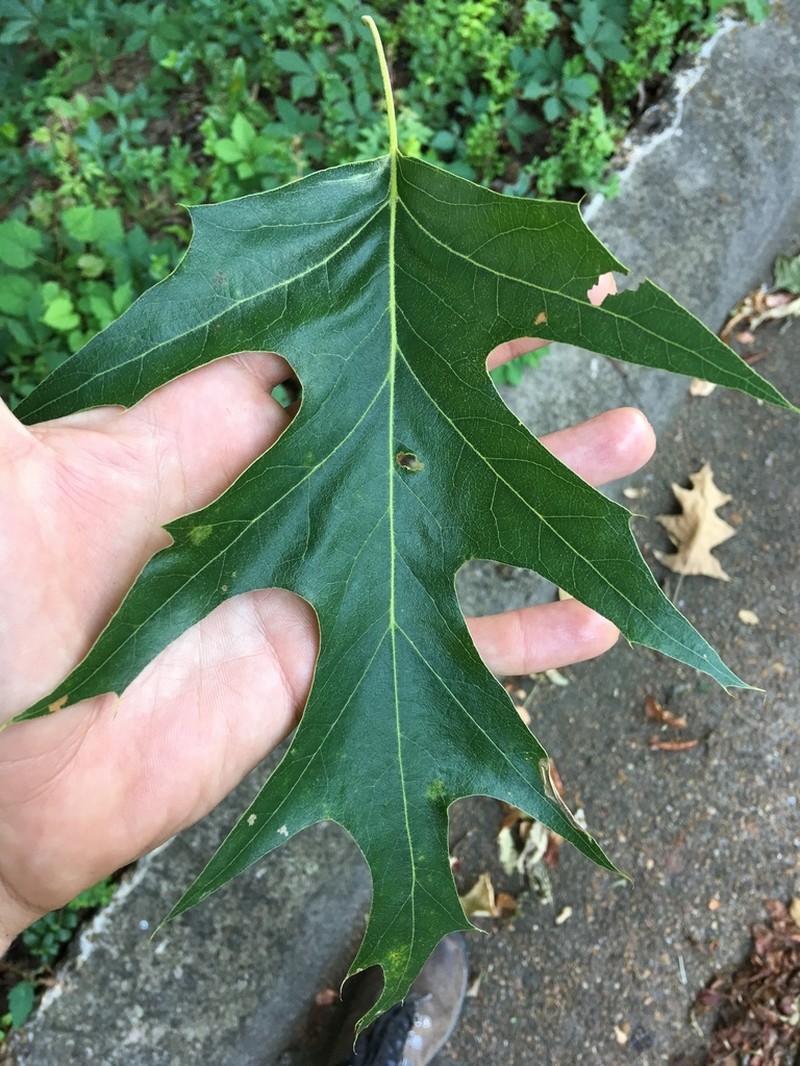
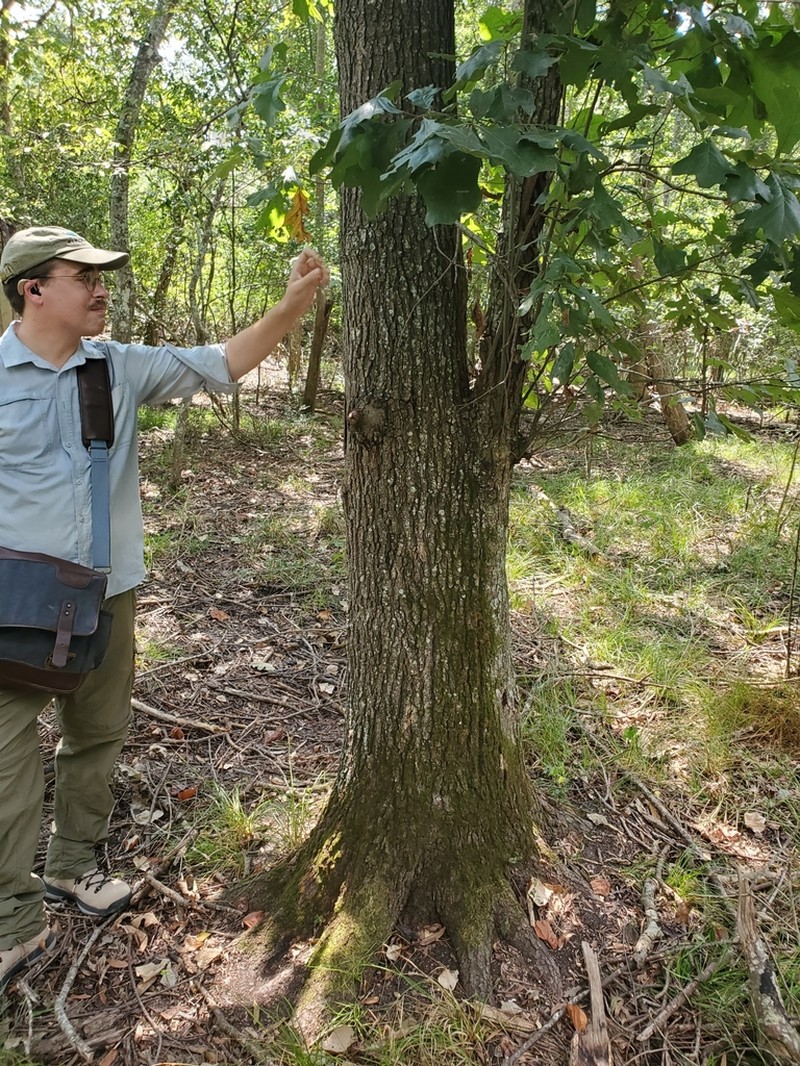
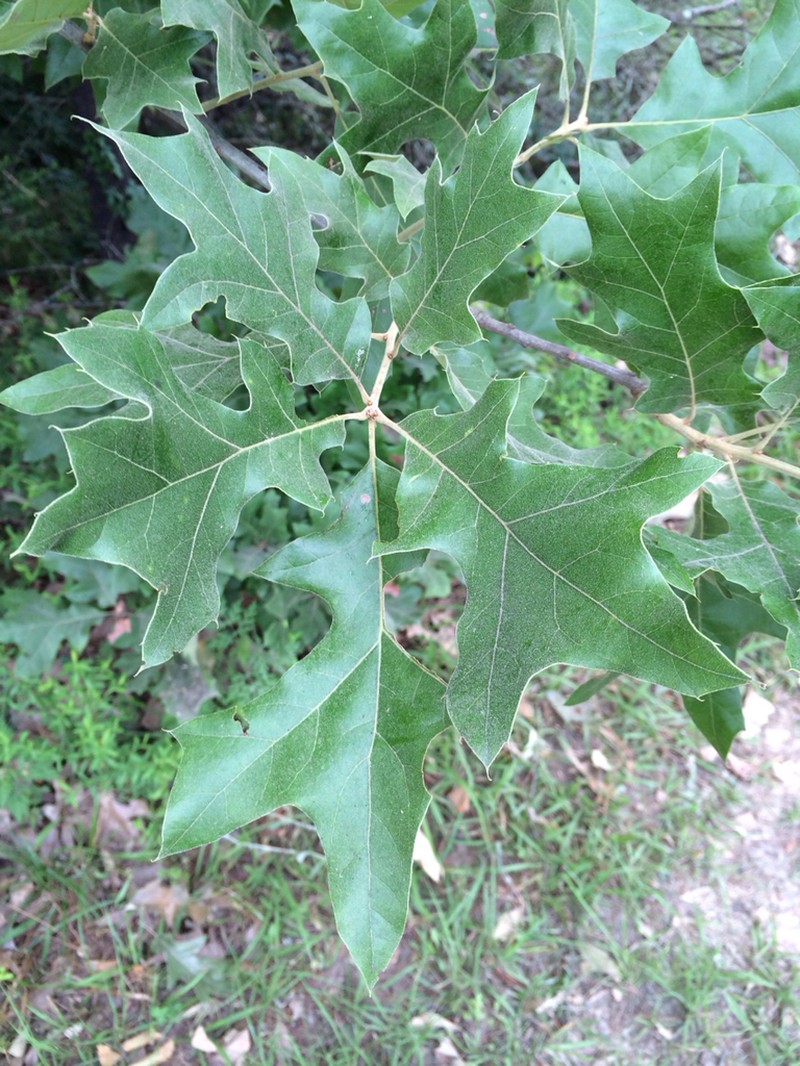
Cherrybark Oak
Quercus pagoda
- Native to:
- United States, Virgin Islands
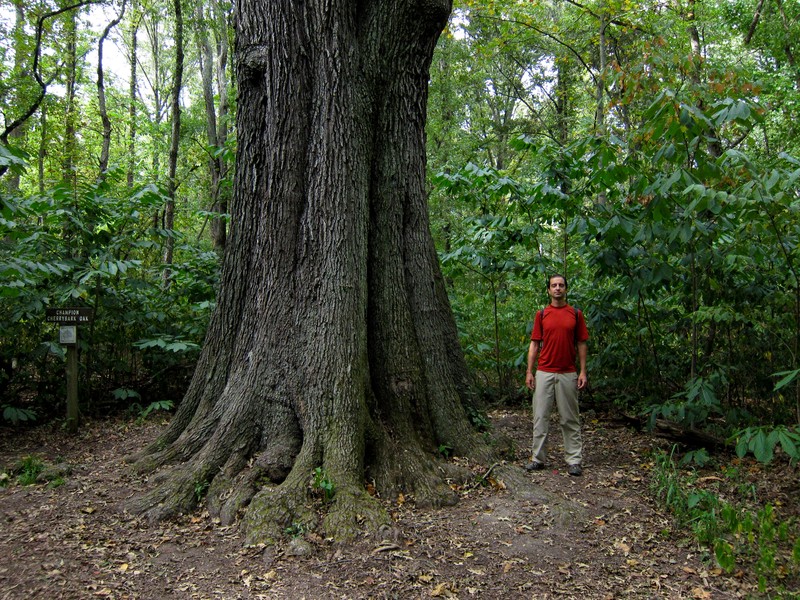
Source: Wikimedia; Credit: miguelvieira https://www.flickr.com/photos/miguelvieira/
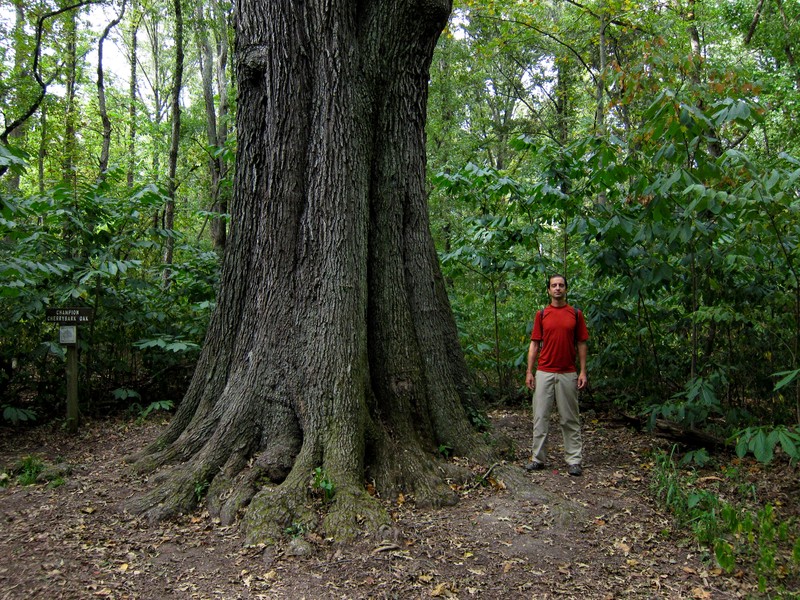
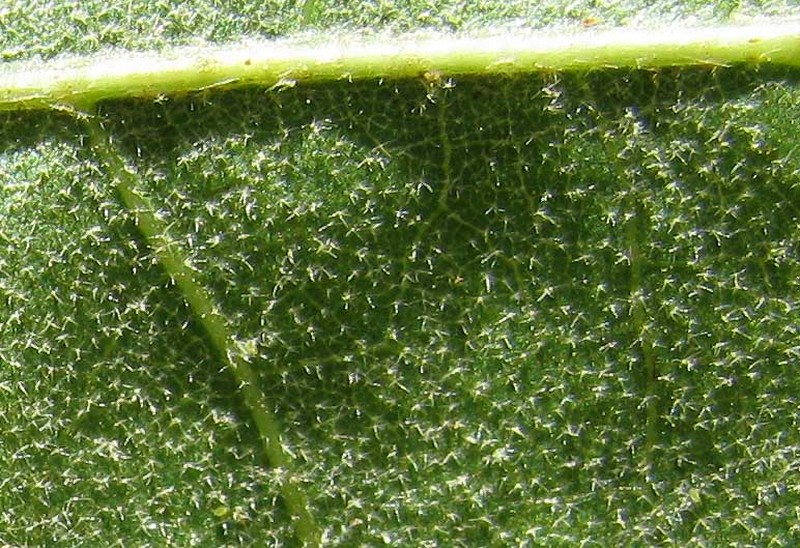
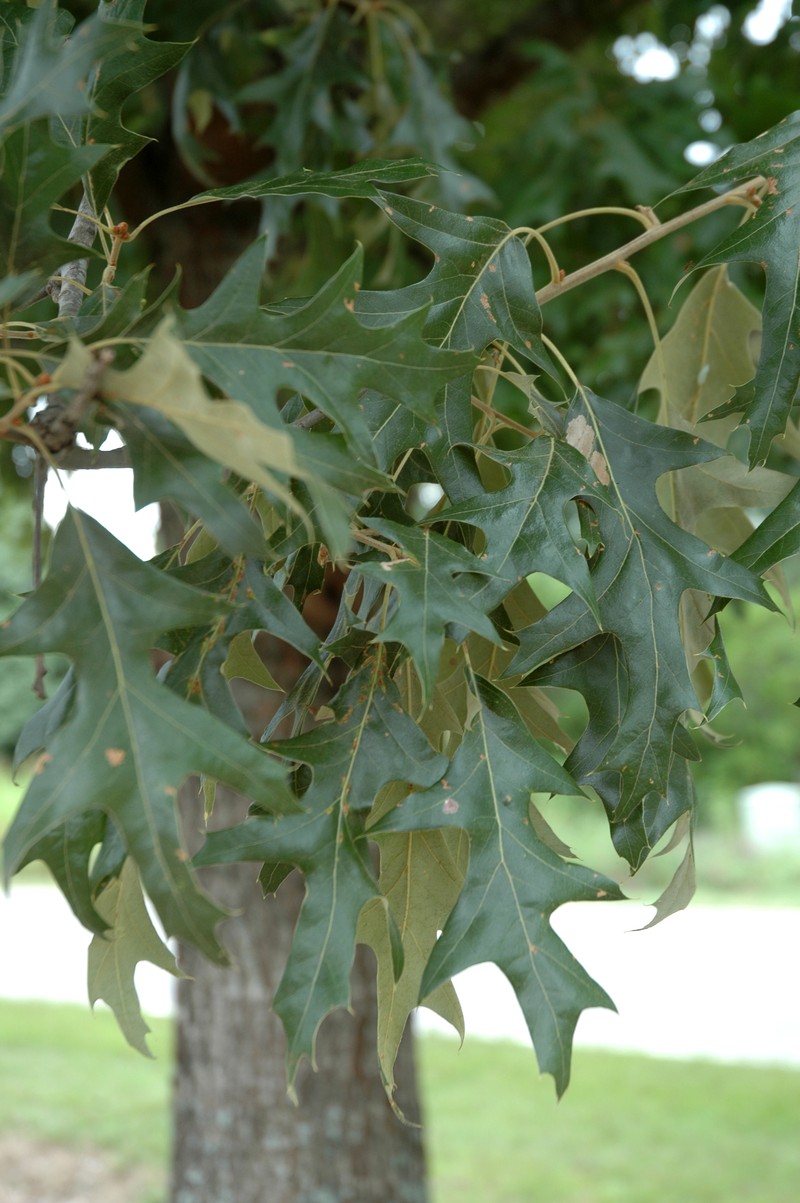
Taxonomy
- Division:
- Magnoliophyta | - Flowering plants
- Family:
- Fagaceae
- Genus:
- Quercus
- Species:
- Quercus pagoda
- USDA Symbol:
- QUPA5
Growth Characteristics
- Life Cycle:
- Perennial
- Growth Habit:
- Tree
- Height:
- 3500 cm
- Drought Tolerance:
- Medium
- Bloom Months:
- mar,apr
- Bloom Colors:
- yellow-green
Wildlife Benefits
- Butterflies & Moths:
- ★★☆☆☆ Documented Lepidoptera association (GBIF)
- Caterpillars:
- ★☆☆☆☆ Recorded caterpillar host plant (HOSTS Database)
Keystone Species Ranking
- Caterpillar Keystone:
- ★★★★★ Butterfly & moth species supported by this genus (NWF)
Host Plant for Caterpillars
Horace's Duskywing (Erynnis horatius)
Garden & Ecology Notes
- Wildlife Value:
- birds, mammals, butterflies
- Fall Color:
- red, orange, brown
- Fire Ecology:
- Fire adapted — tolerates or benefits from fire
- Fire Notes:
- Thick bark provides some fire resistance; seedlings may be top-killed but resprout.
Propagation & Germination
- Stratification:
- Cold/moist stratification required — 30–60 days
- Germination Time:
- 30–90 days
- Notes:
- Seeds require cold stratification for 30-60 days to break dormancy; sow in fall or after stratification.
Pre-treatment: Seeds are sown in late January with a mechanical seeder. Desired field density ranges from 54 to 65 acorns/ m2 (5 to 6 acorns/ ft2) to 100 to 160 seedlings/sq m (15 to 16/ sq ft).
Establishment: Seeds are purchased from local people who collect within a 50 mile radius of the nursery. They are wild collected during fall months and are kept separated according to site, elevation and source.
Source: npn.rngr.net
Where to Buy
Nationwide Seller
- Sheffield's Seed (seeds)