
Pin Oak
Quercus palustris
- Native to:
- Canada, United States, Virgin Islands
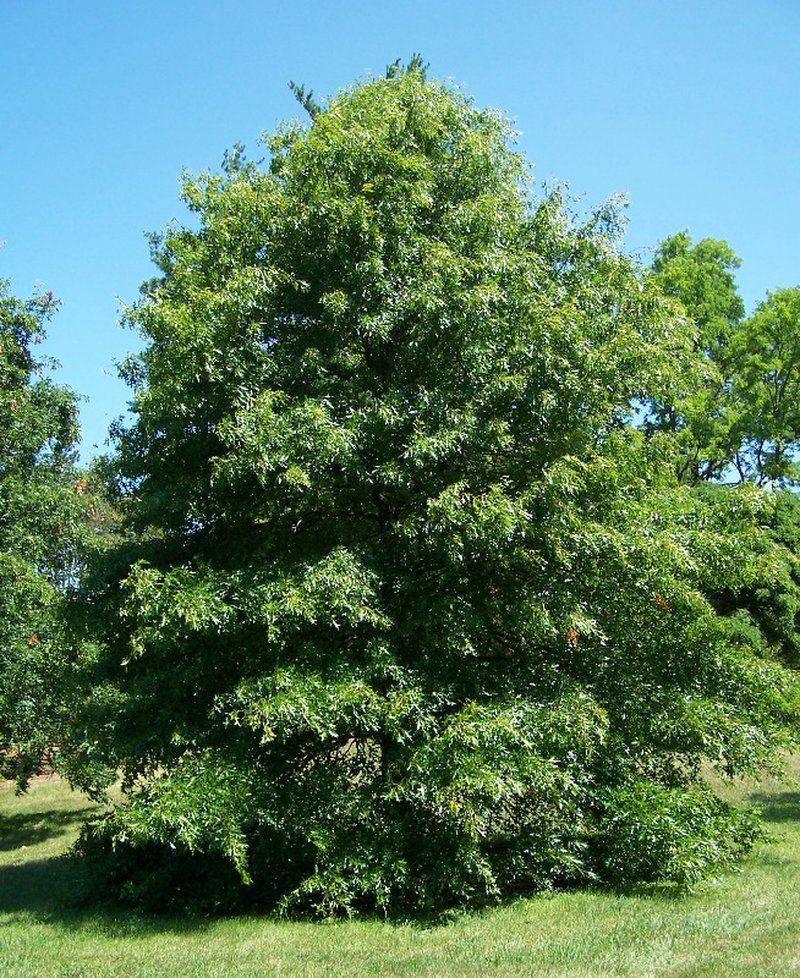
Dominicus Johannes Bergsma
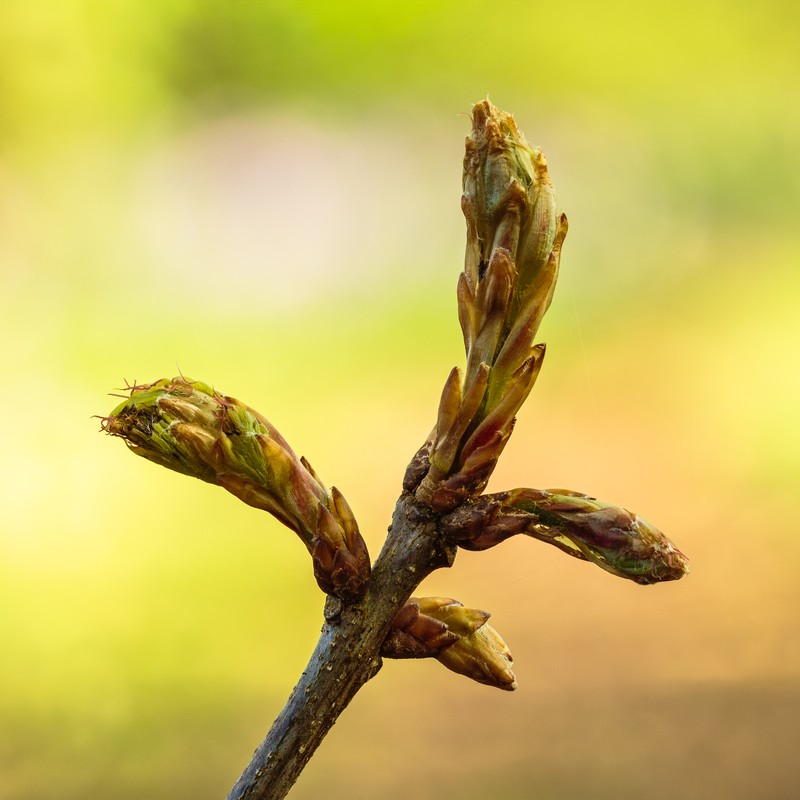
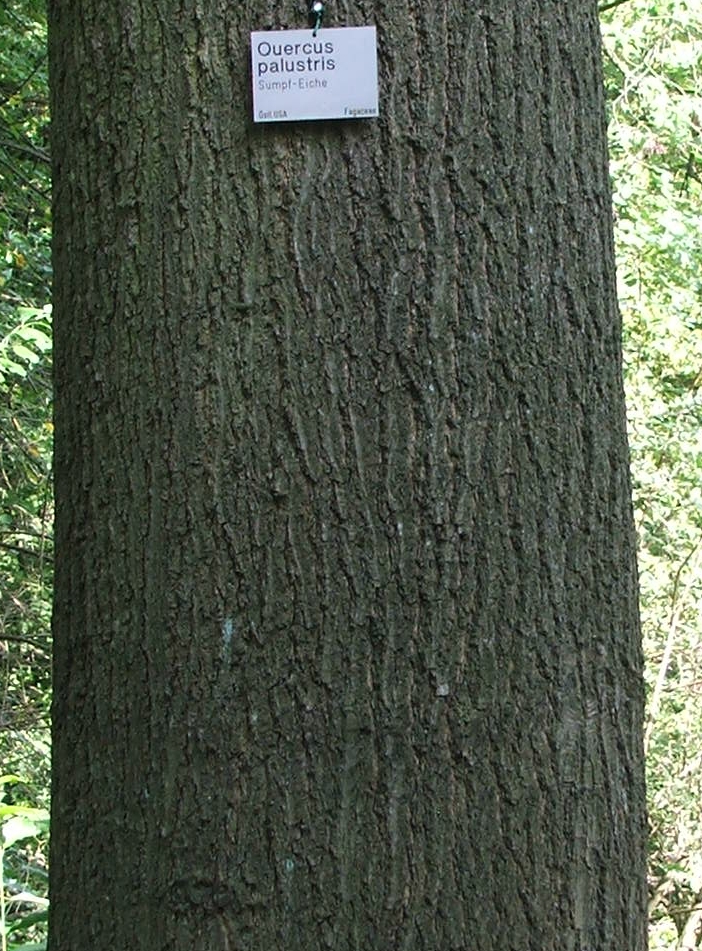
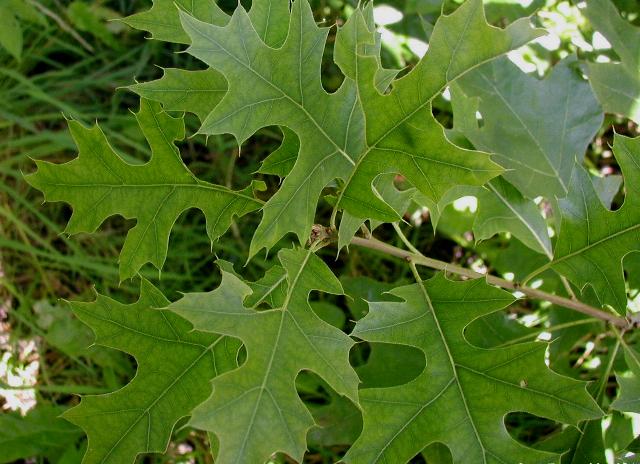

Taxonomy
- Division:
- Magnoliophyta | - Flowering plants
- Family:
- Fagaceae
- Genus:
- Quercus
- Species:
- Quercus palustris
- USDA Symbol:
- QUPA2
Growth Characteristics
- Life Cycle:
- Perennial
- Growth Habit:
- Tree
- Height:
- 2500 cm
- Light Requirements:
- Full Sun,Part Shade,Shade
- Drought Tolerance:
- Low
- Bloom Months:
- apr,may
Wildlife Benefits
- Bees:
- ★☆☆☆☆ Documented bee visitation (GBIF)
- Butterflies & Moths:
- ★★★★★ Documented Lepidoptera association (GBIF)
- Caterpillars:
- ★★★★☆ Recorded caterpillar host plant (HOSTS Database)
Keystone Species Ranking
- Caterpillar Keystone:
- ★★★★★ Butterfly & moth species supported by this genus (NWF)
Host Plant for Caterpillars
American Dagger Moth (Acronicta americana), Automeris randa, Automeris zephyria, Banded Tussock Moth (Halysidota tessellaris), Bucculatrix domicola, Cecropia moth (Hyalophora cecropia), Cecropis moth (Automeris cecrops), common lytrosis moth (Lytrosis unitaria), consular oakworm moth (Anisota consularis), Copper Underwing (Amphipyra pyramidoides), Ectoedemia heinrichi, Ectoedemia similella, Finlayson's oakworm moth (Anisota finlaysoni), Grote's buck moth (Hemileuca grotei), Gypsy moth (Lymantria dispar), Hickory Tussock Moth (Lophocampa caryae), Imperial Moth (Eacles imperialis), Io moth (Automeris io), Iris eyed silkmoth (Automeris iris), oak leafroller moth (Argyrotaenia quercifoliana), Orange-tipped oakworm moth (Anisota senatoria), Oslar's oakworm moth (Anisota oslari), Paranthrene pellucida, Pink-striped oakworm moth (Anisota virginiensis), Polyphemus moth (Antheraea polyphemus), red oak clearwing borer (Paranthrene simulans), Scalloped sack-bearer (Lacosoma chiridota), Slosser's buckmoth (Hemileuca slosseri), spotted oakworm moth (Anisota stigma), Stigmella altella, Stigmella flavipedella, Stigmella quercipulchella, ugly-nest caterpillar moth (Archips cerasivorana), Yellownecked caterpillar (Datana ministra), Yellowstriped oakworm moth (Anisota peigleri), Red-spotted Purple (Basilarchia arthemis)
Reported Fauna Sightings
Moths:Acrocercops albinatella, Bagworm moth (Thyridopteryx ephemeraeformis), Banded Tussock Moth (Halysidota tessellaris), Cecrita guttivitta, Confused Morrisonia (Morrisonia confusa), contracted datana (Datana contracta), oak blotch miner moth (Tischeria quercitella), Polyphemus moth (Antheraea polyphemus), White-marked Tussock Moth (Orgyia leucostigma)
Garden & Ecology Notes
- Wildlife Value:
- birds, mammals, butterflies
- Fall Color:
- red, bronze
Soil Requirements
- Soil Type:
- rich, poorly-drained clay or loam
- pH:
- 4.5 - 6.5 (acidic to slightly acidic)
- Drainage:
- tolerates poor drainage
- Moisture:
- consistently moist
- Notes:
- Often found in wet bottomlands and floodplains
Propagation & Germination
- Stratification:
- Cold/moist stratification required — 30–60 days
- Germination Time:
- 30–90 days
- Notes:
- Seeds require cold stratification for 30-60 days; sow in fall or after stratification in spring.
Pre-treatment: Seeds are sown in mid November with a mechanical seeder. Desired field density ranges from 81 to 160 seedlings/sq m (7.5 to 16/ sq ft).
Establishment: Seeds are purchased from local people who collect within a 50 mile radius of the nursery. Seeds are wild collected during fall months and are kept separated according to site, elevation and source. Seed sources are from south central Missouri.
Source: npn.rngr.net
Where to Buy
Nationwide Seller
- Sheffield's Seed (seeds)
- Native Plants Nursery (nursery)