
Ozark Witchhazel
Hamamelis vernalis
- Native to:
- United States
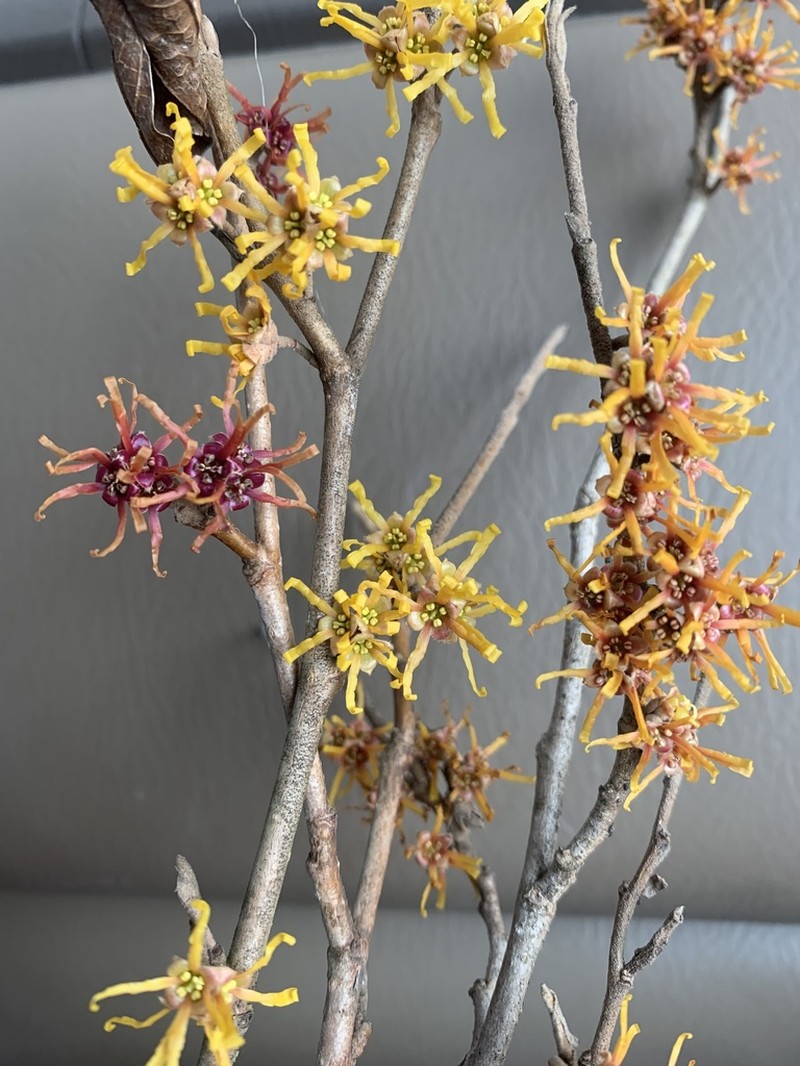
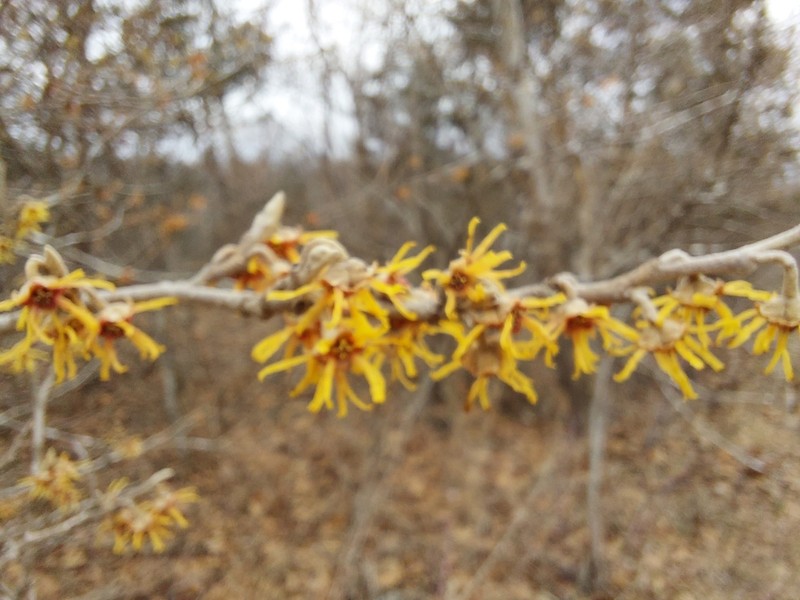
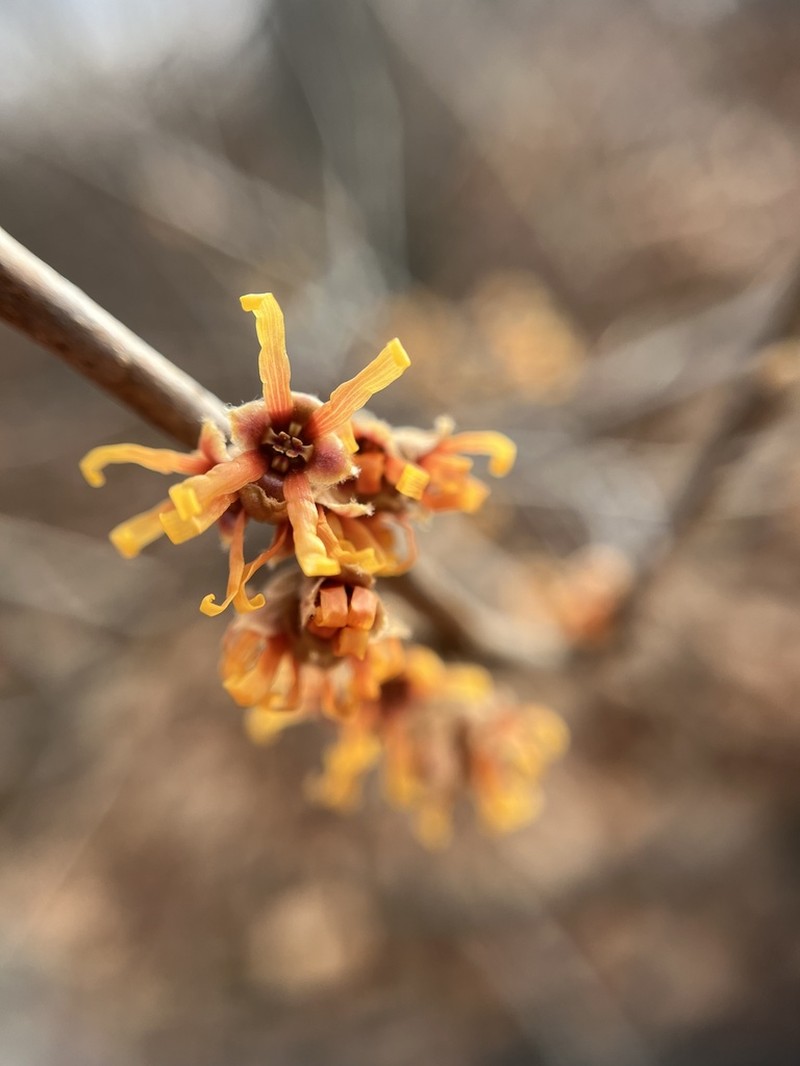
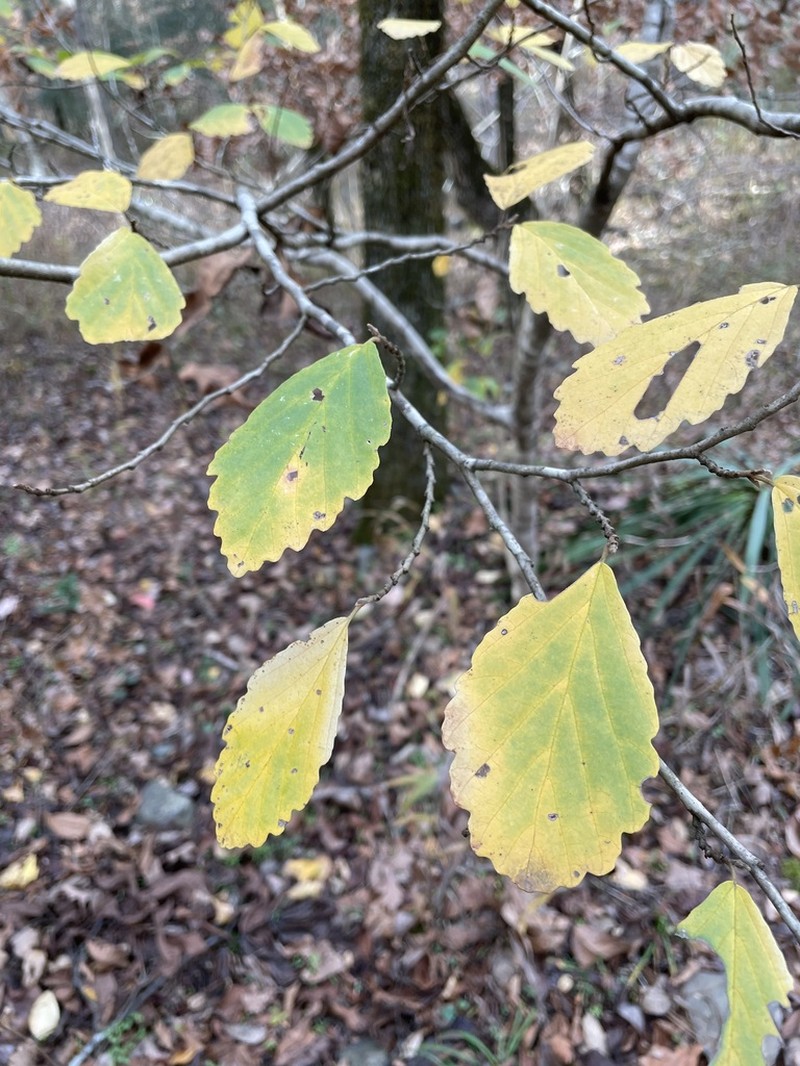
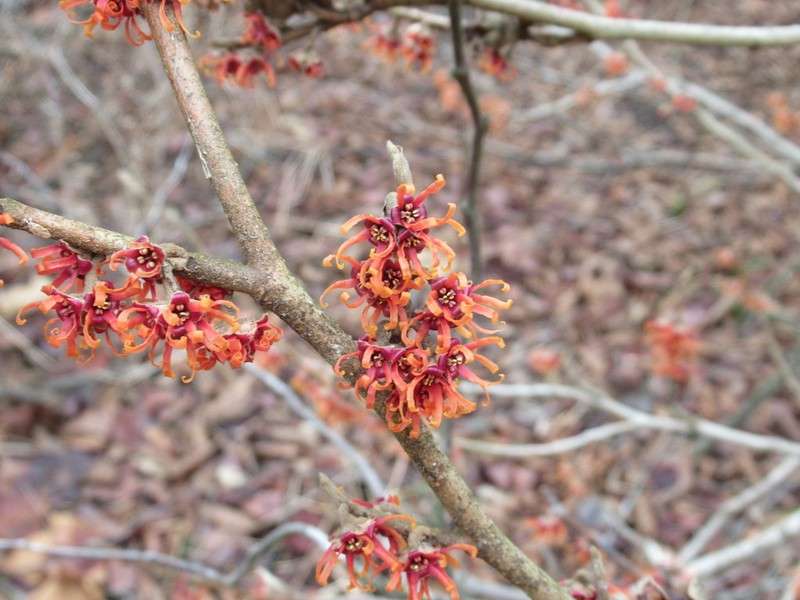
iNaturalist: © sarah_e_king (iNaturalist #70389421)
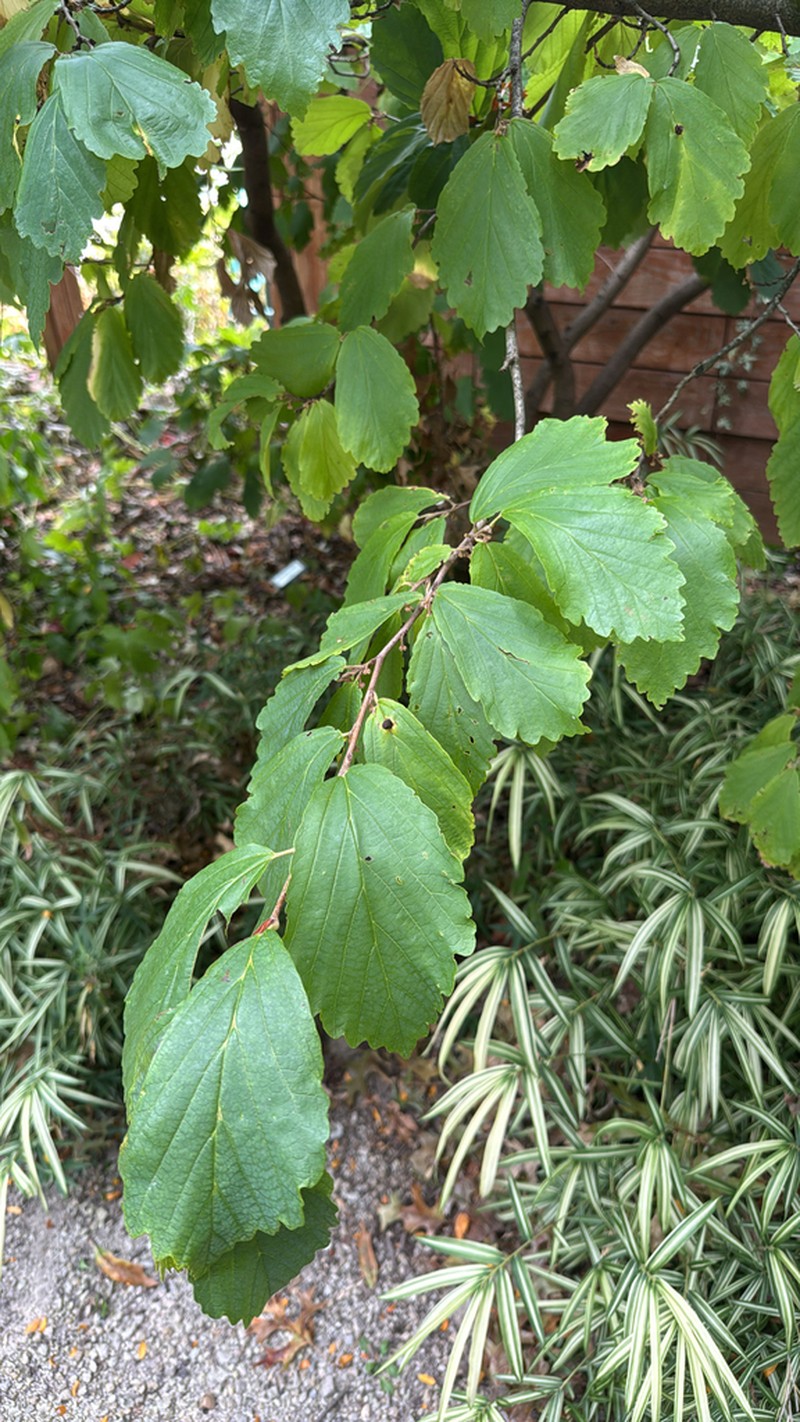
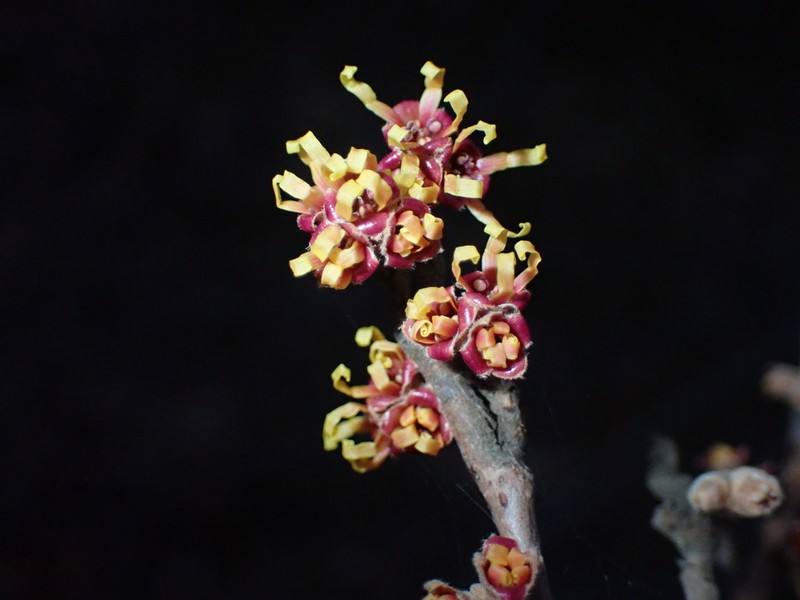
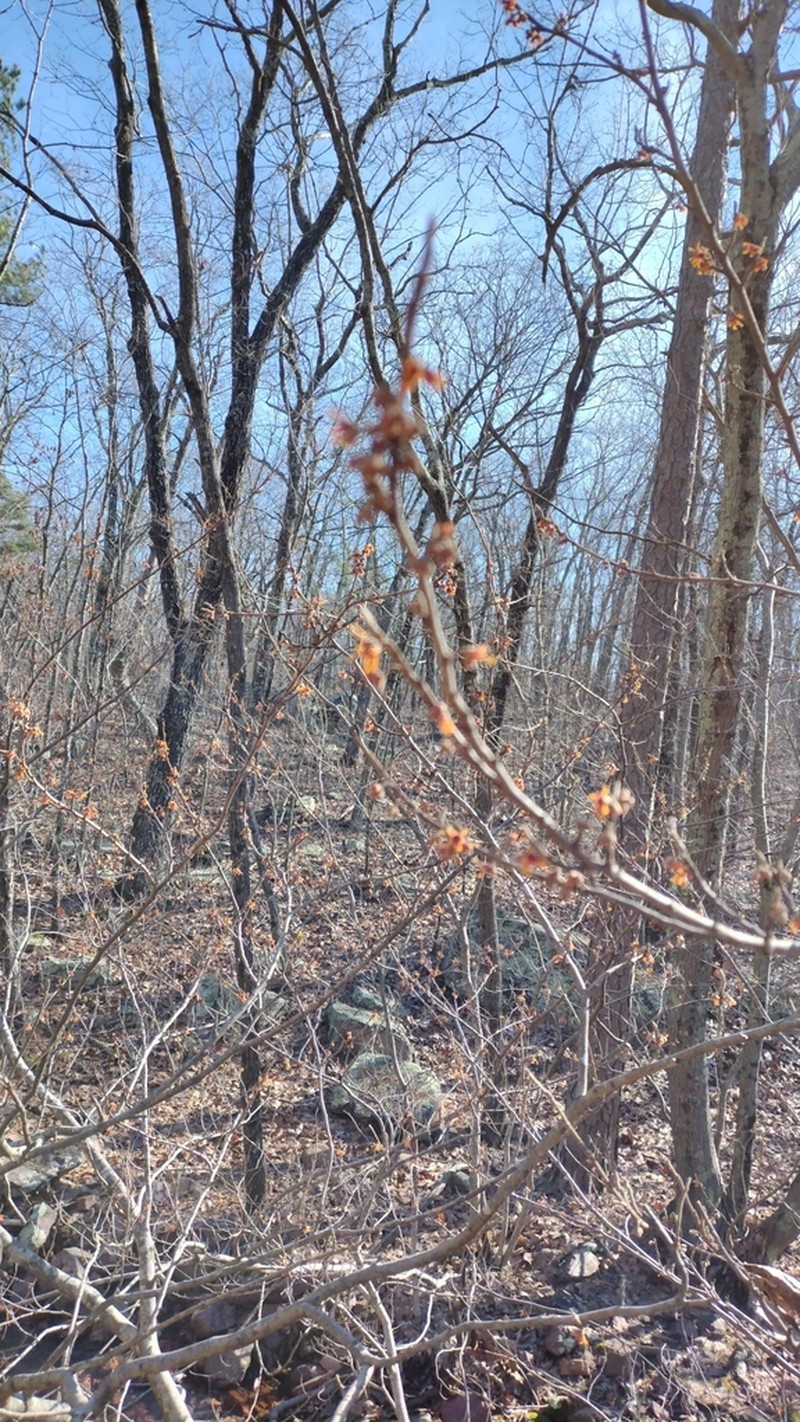
Taxonomy
- Division:
- Magnoliophyta | - Flowering plants
- Family:
- Hamamelidaceae
- Genus:
- Hamamelis
- Species:
- Hamamelis vernalis
- USDA Symbol:
- HAVE2
Growth Characteristics
- Life Cycle:
- Perennial
- Growth Habit:
- Shrub , Tree
- Height:
- 400 cm
- Light Requirements:
- Part Shade
- Drought Tolerance:
- Medium
- Bloom Months:
- jan,feb,mar
- Bloom Colors:
- yellow, orange, red
- Landscaping Shrub:
- Yes
Wildlife Benefits
- Bees:
- ★☆☆☆☆ Documented bee visitation (GBIF)
- Butterflies & Moths:
- ★★★☆☆ Documented Lepidoptera association (GBIF)
- Caterpillars:
- ★☆☆☆☆ Recorded caterpillar host plant (HOSTS Database)
Keystone Species Ranking
- Caterpillar Keystone:
- ★★★★☆ Butterfly & moth species supported by this genus (NWF)
Host Plant for Caterpillars
Caloptilia superbifrontella
Garden & Ecology Notes
- Wildlife Value:
- birds, butterflies
- Deer Resistant:
- Yes
- Fragrant:
- Yes
- Fall Color:
- yellow, orange, red
Soil Requirements
- Soil Type:
- rich, well-drained loamy soil
- pH:
- 5.5 - 7.0 (slightly acidic to neutral)
- Drainage:
- tolerates poor drainage
- Moisture:
- consistently moist
- Notes:
- native to stream banks and wetland edges
Propagation & Germination
- Stratification:
- Cold/moist stratification required — 60–90 days
- Germination Time:
- 30–60 days
- Notes:
- Seeds require cold stratification for 60-90 days to break dormancy; germination is often slow and erratic.
Pre-treatment: Fresh seeds require warm and cold, moist stratification. Plant seeds in early October for natural stratification.
Establishment: Seeds are collected from local sources within a 50 mile radius of the nursery. Timing of collection is crucial to ensure seeds are fully mature but capsules have not yet opened.
Source: npn.rngr.net
Where to Buy
Nationwide Seller
- Native Plants Nursery (nursery)
- Sheffield's Seed (seeds)