
American Witchhazel
Hamamelis virginiana
- Native to:
- Canada, Mexico, United States, Virgin Islands
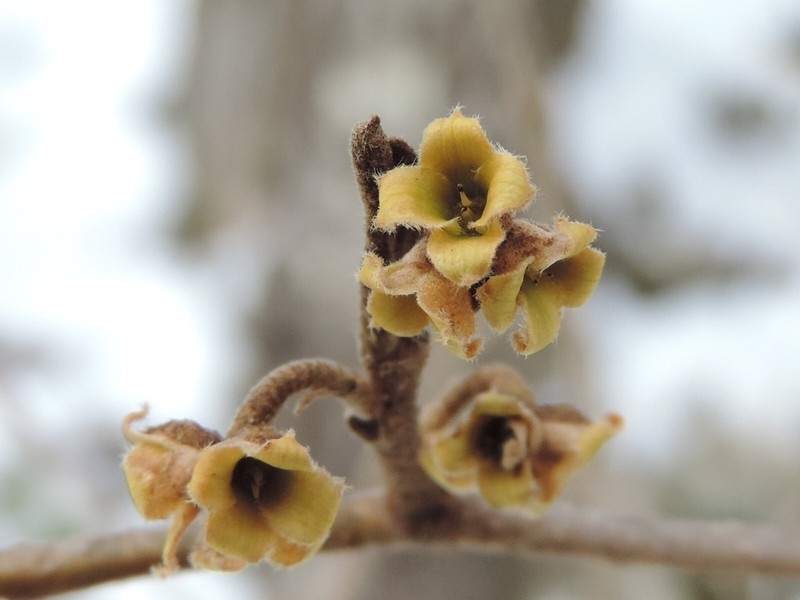
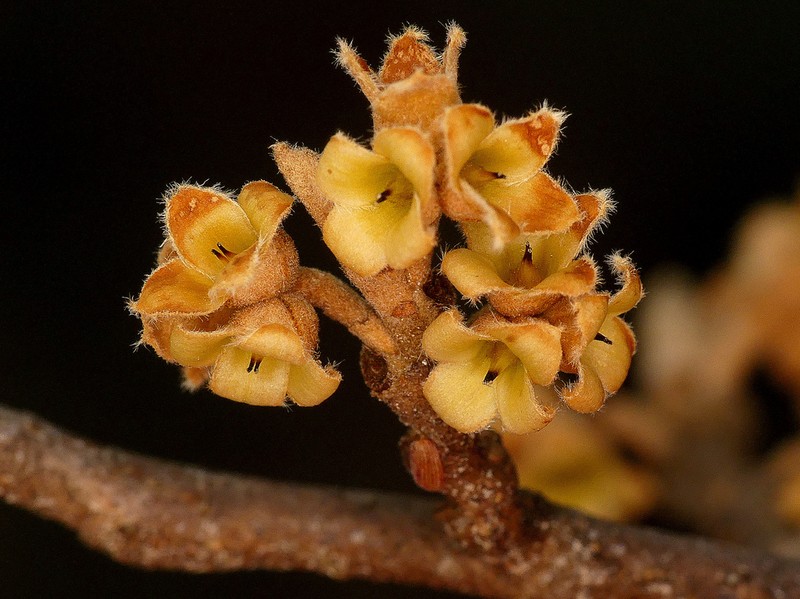
iNaturalist: © brownwaspmantidfly (iNaturalist #67878565)
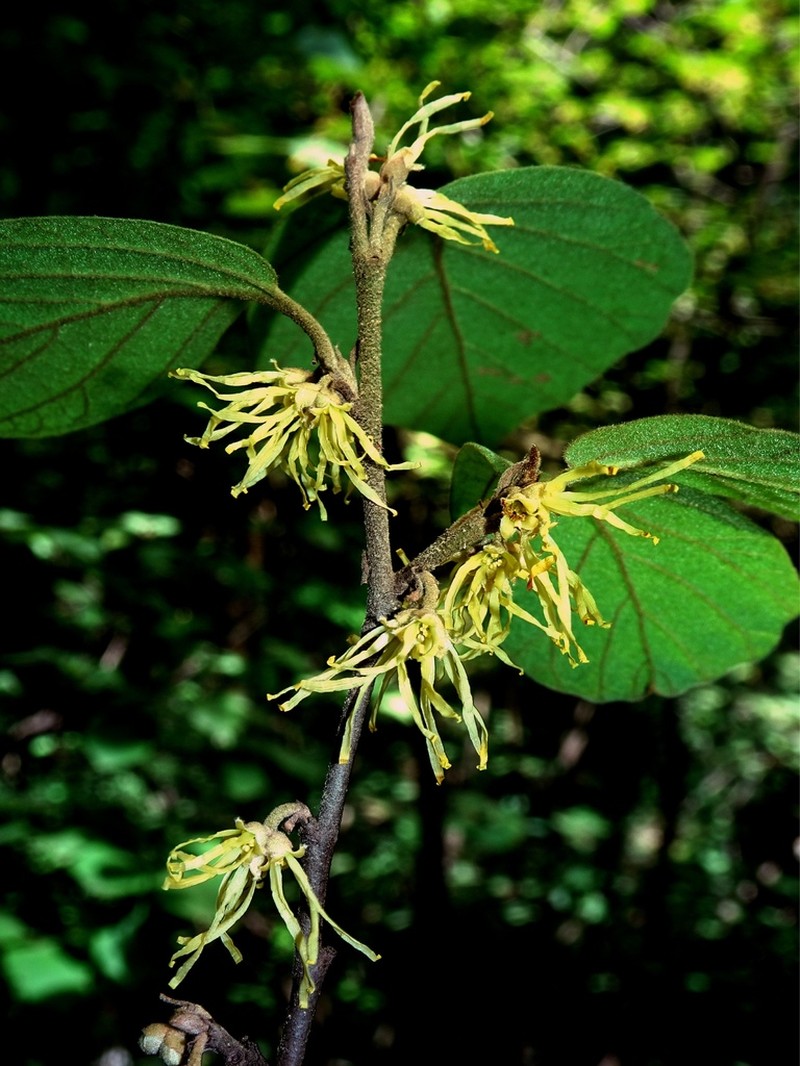
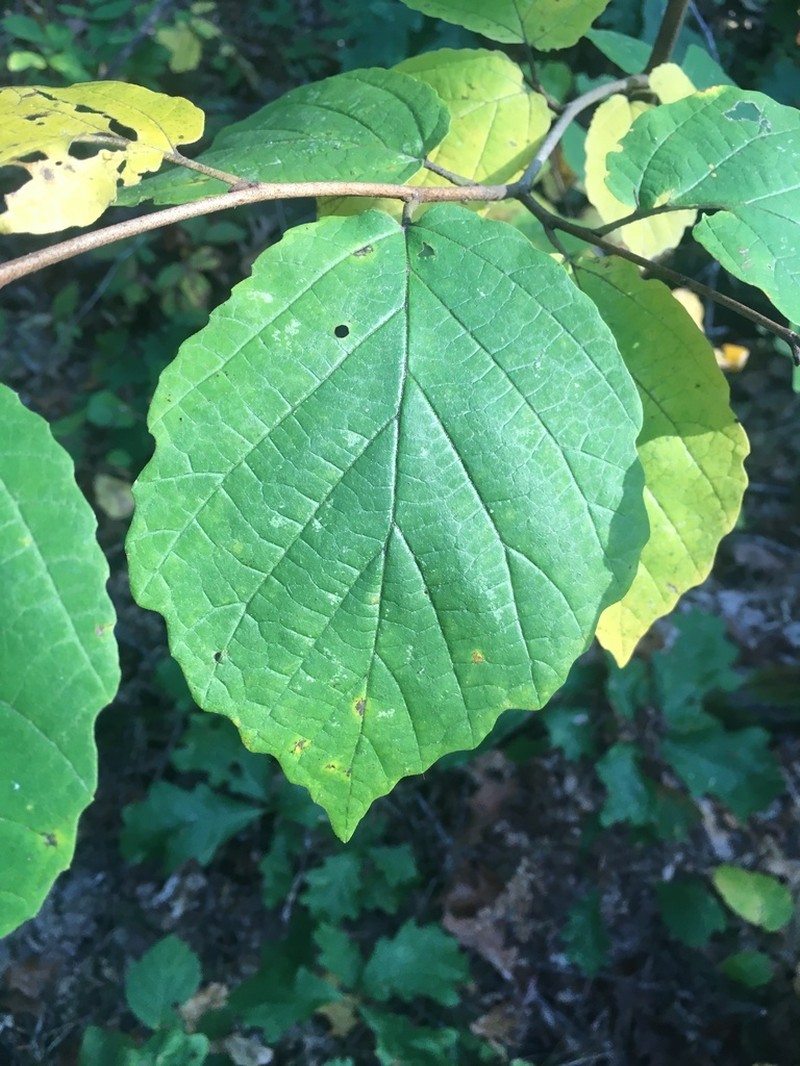
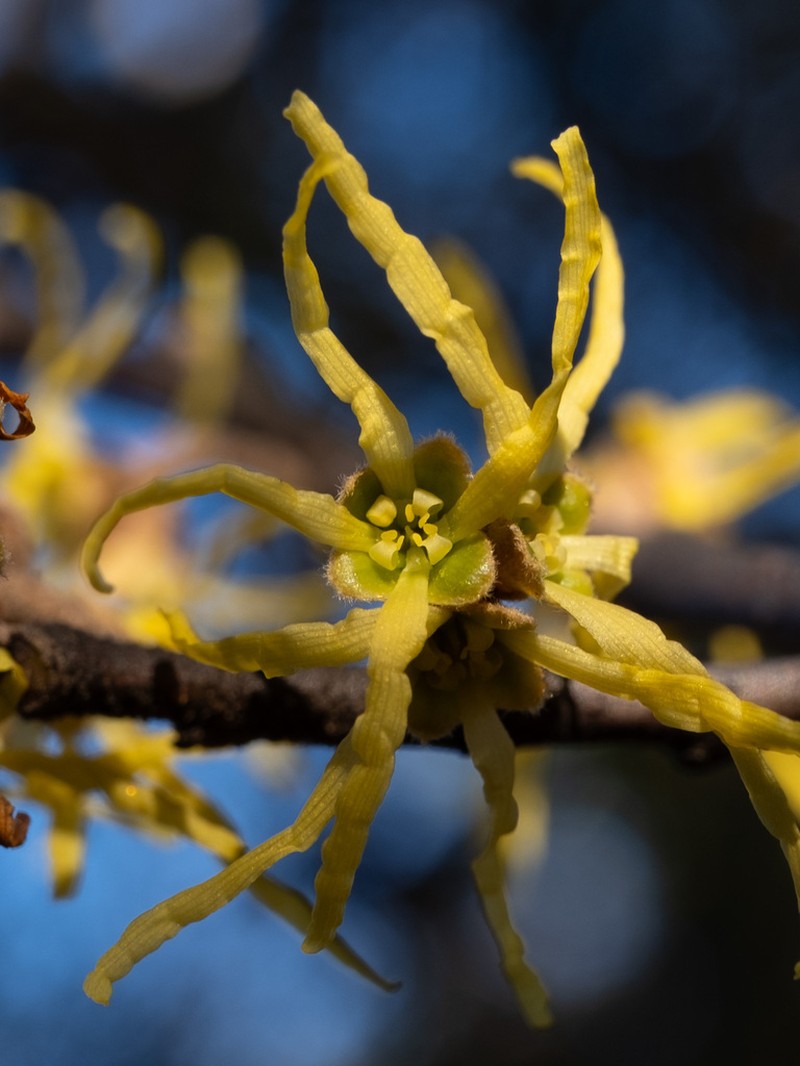
Taxonomy
- Division:
- Magnoliophyta | - Flowering plants
- Family:
- Hamamelidaceae
- Genus:
- Hamamelis
- Species:
- Hamamelis virginiana
- USDA Symbol:
- HAVI4
Growth Characteristics
- Life Cycle:
- Perennial
- Growth Habit:
- Shrub , Tree
- Height:
- 900 cm
- Light Requirements:
- Part Shade,Shade
- Drought Tolerance:
- Medium
- Bloom Months:
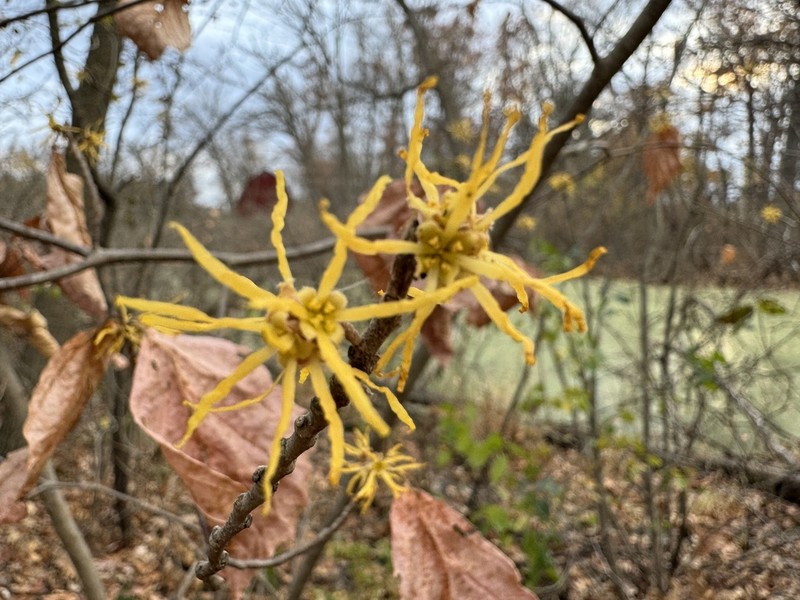
- oct,nov
- Bloom Colors:
- yellow
- Landscaping Shrub:
- Yes
Wildlife Benefits
- Butterflies & Moths:
- ★★★★★ Documented Lepidoptera association (GBIF)
- Caterpillars:
- ★★★★☆ Recorded caterpillar host plant (HOSTS Database)
Keystone Species Ranking
- Caterpillar Keystone:
- ★★★★☆ Butterfly & moth species supported by this genus (NWF)
Host Plant for Caterpillars
Reported Fauna Sightings
Garden & Ecology Notes
- Wildlife Value:
- birds, small mammals
- Fragrant:
- Yes
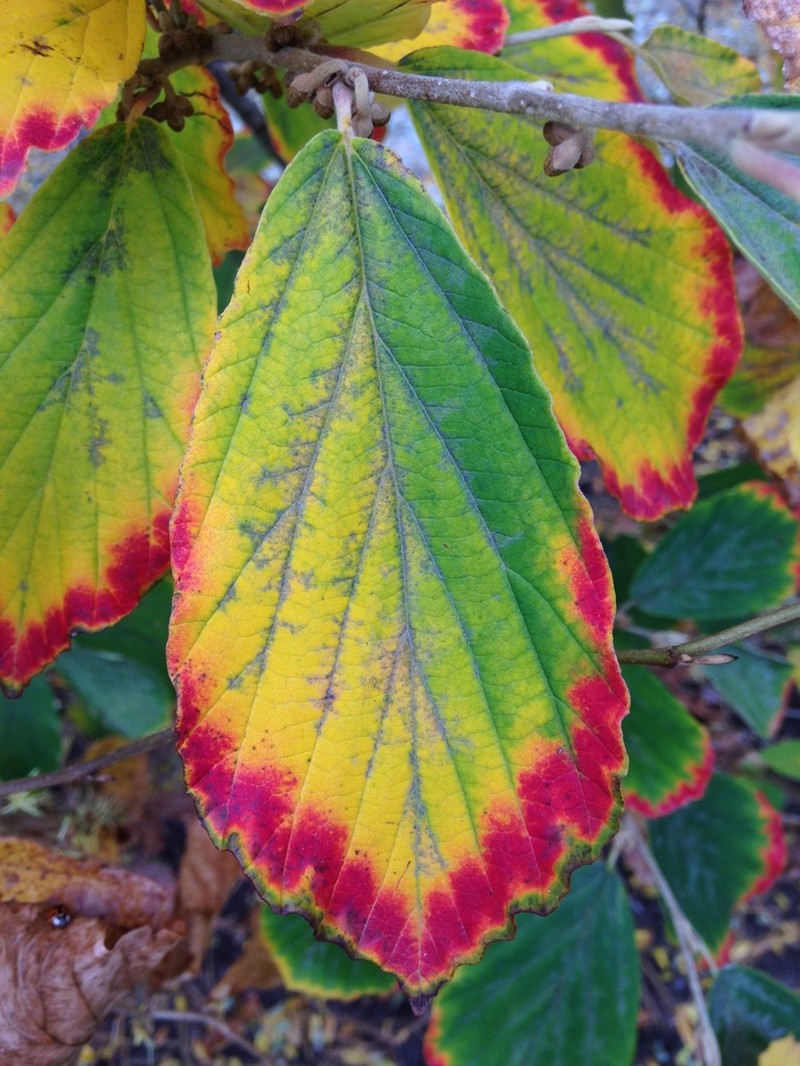
- Fall Color:
- yellow
Soil Requirements
- Soil Type:
- rich, well-drained loamy soil
- pH:
- 5.5 - 7.0 (slightly acidic to neutral)
- Drainage:
- good drainage required
- Moisture:
- consistently moist
- Notes:
- Prefers woodland settings with organic matter
Propagation & Germination
- Stratification:
- Cold/moist stratification required — 60–90 days
- Germination Time:
- 30–90 days
- Notes:
- Seeds require cold stratification for 60-90 days to break dormancy; germination may be slow and erratic.
Pre-treatment: Seeds are cold stratified for 120 to 180 days. Seeds have both seed coat and embryo dormancy, alternating periods of warm and cold stratification may be needed for optimal germination. Seeds are sown outdoors in woody nursery beds soon after collection and cleaning to allow natural stratification to occur.
Establishment: Fruits were collected in the three parks in autumn before they split open, from September 8 to October 26. H. virginiana is found within temperate deciduous forests of North America and moist woods; Quebec and Nova Scotia to northern Michigan and Minnesota, south to Florida and Texas.
Source: npn.rngr.net
ORGHPS Germination Guide: Repeated cycles of 20C then 4C, 3 months each. Very prolonged.
Where to Buy
Nationwide Seller
- Sheffield's Seed (seeds)
- Vermont Wildflower Farm (nursery and seeds)
- Prairie Moon Nursery (nursery and seeds)
- Native Plants Nursery (nursery)