
Canada Wildrye
Elymus canadensis
- Native to:
- Canada, Mexico, United States, Virgin Islands
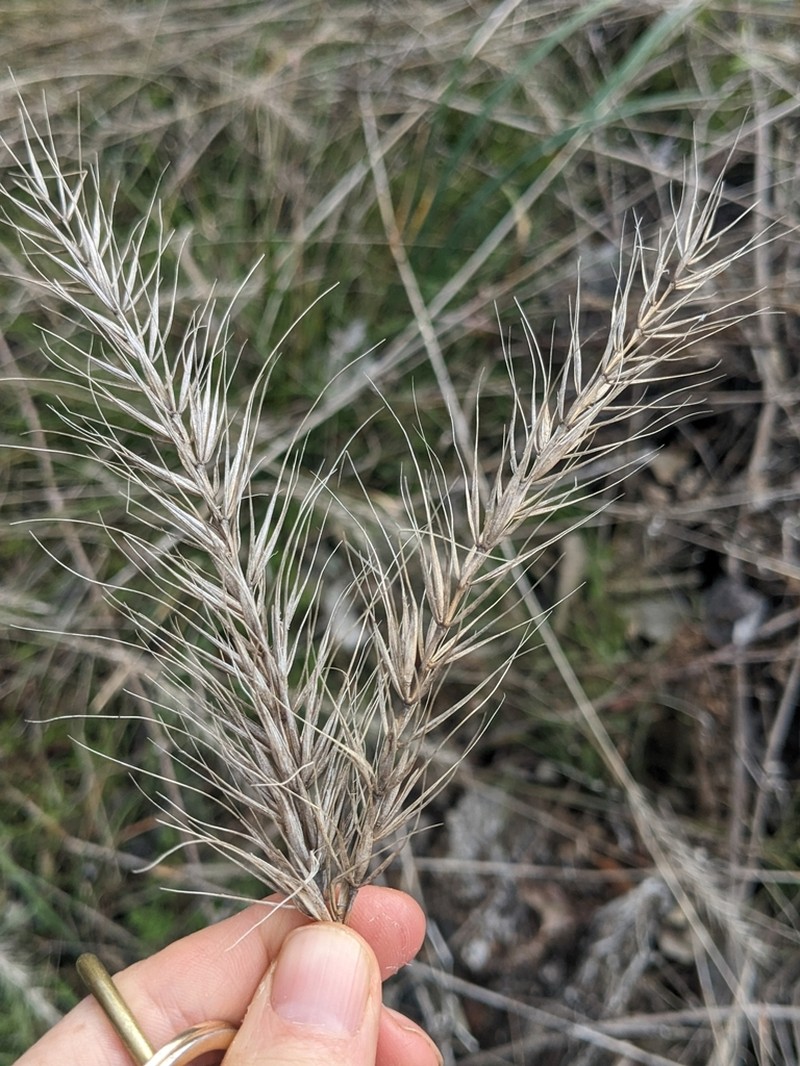
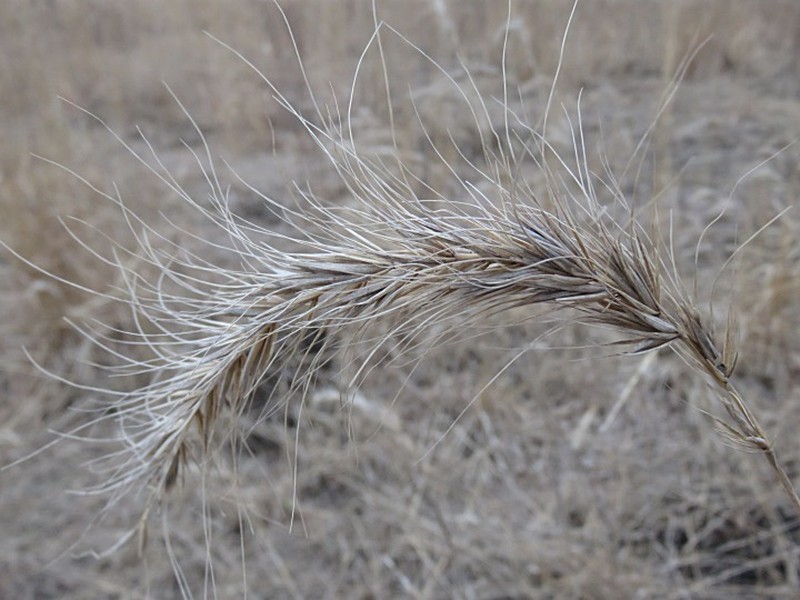
iNaturalist: © atlasmira (iNaturalist #195789074)
Taxonomy
- Division:
- Magnoliophyta | - Flowering plants
- Family:
- Poaceae
- Genus:
- Elymus
- Species:
- Elymus canadensis
- USDA Symbol:
- ELCA4
Growth Characteristics
- Life Cycle:
- Perennial
- Growth Habit:
- Graminoid
- Height:
- 150 cm
- Light Requirements:
- Full Sun,Part Shade
- Drought Tolerance:
- Medium
- Bloom Months:
- jun,jul,aug
- Bloom Colors:
- green, purple
Wildlife Benefits
- Caterpillars:
- ★★☆☆☆ Recorded caterpillar host plant (HOSTS Database)
Host Plant for Caterpillars
Benjaminiola colorada, Burdock Borer (Papaipema cataphracta), Cosmiotes illectella, Elachista leucofrons, Faronta albilinea, Faronta diffusa, Mesapamea stipata, Zabulon Skipper (Poanes zabulon)
Garden & Ecology Notes
- Wildlife Value:
- birds, small mammals
- Fire Ecology:
- Fire adapted — tolerates or benefits from fire
- Fire Notes:
- Resprouts from root crowns after fire; often increases in abundance post-fire.
Soil Requirements
- Soil Type:
- fertile, well-drained loamy soil
- pH:
- 5.5 - 7.5 (slightly acidic to neutral)
- Drainage:
- good drainage preferred
- Moisture:
- dry to moderate
- Notes:
- thrives in open, sunny areas
Propagation & Germination
- Stratification:
- Cold/moist stratification required — 30–60 days
- Germination Time:
- 7–21 days
- Notes:
- Seeds germinate readily after cold stratification; sow in fall or stratify for 30-60 days.
Pre-treatment: Seeds are placed in cold moist stratification during winter months or dry stored for spring germination. No treatment is also an option.
Establishment: Seed is collected by hand from locally native plants within the eastern central Upper Peninsula. Germination occurs the following spring. The greenhouse holds plants at all stages of growth so the temperature setting stays the same for all plants at all stages of growth.
Source: npn.rngr.net
Where to Buy
Nationwide Seller
- Prairie Moon Nursery (nursery and seeds)
- Sheffield's Seed (seeds)
- Wild Seed Project (seeds)
- Vermont Wildflower Farm (nursery and seeds)
- Ernst Seeds (seeds)
- Native Seed Group (seeds)
- Native American Seed (nursery and seeds)
- Bamert Seed (seeds)
- Pizzo Native Plant Nursery (wholesale nursery)