
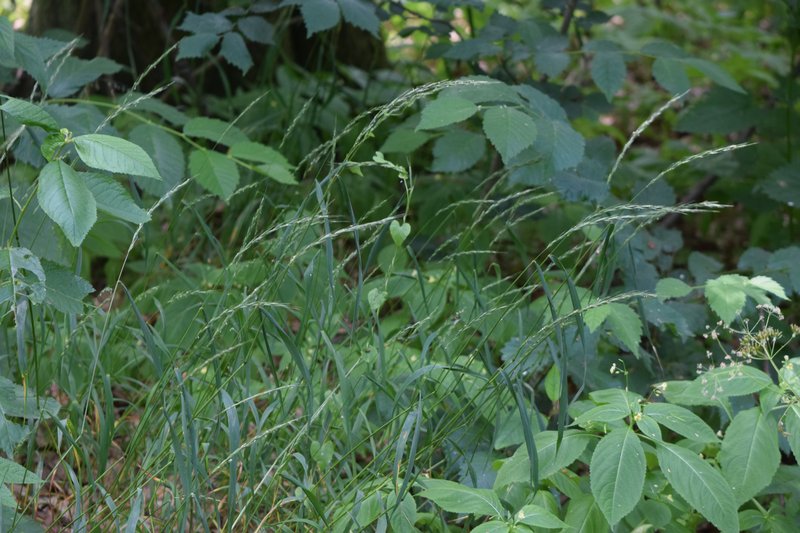
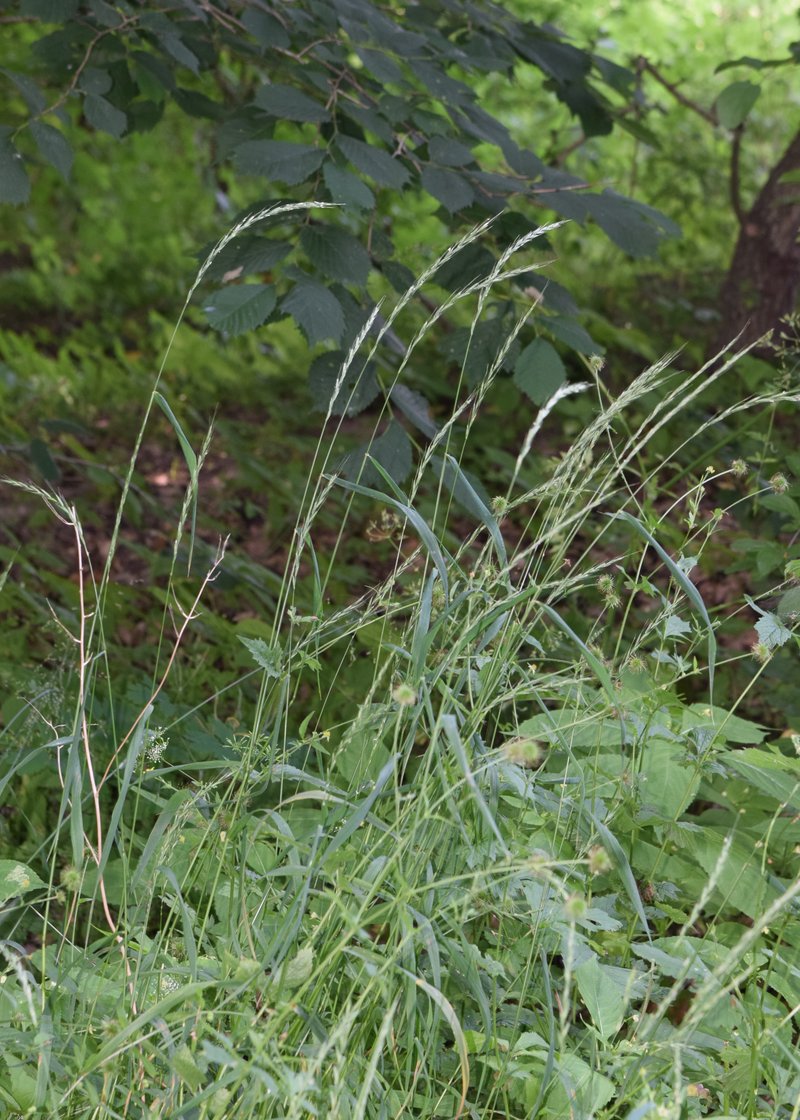
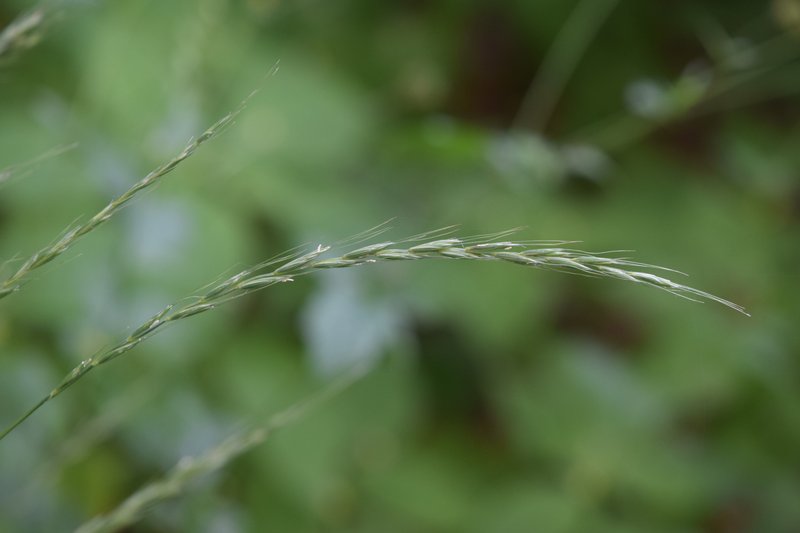
Bearded Wheatgrass
Elymus caninus
- Native to:
- Afghanistan, Albania, Baltic States, Belarus, Belgium, Bulgaria, China, Corse, Czechia-Slovakia, Denmark, Finland, France, Germany, Great Britain, Greece, Hungary, Iceland, India, Iran, Iraq, Ireland, Italy, Kazakhstan, Kirgizstan, Krym, North Caucasus, Norway, NW. Balkan Pen., Pakistan, Poland, Portugal, Romania, Russia, Sardegna, Sicilia, Spain, Sweden, Switzerland, Tadzhikistan, Transcaucasus, Türkiye, Türkiye-in-Europe, Turkmenistan, Ukraine, Uzbekistan
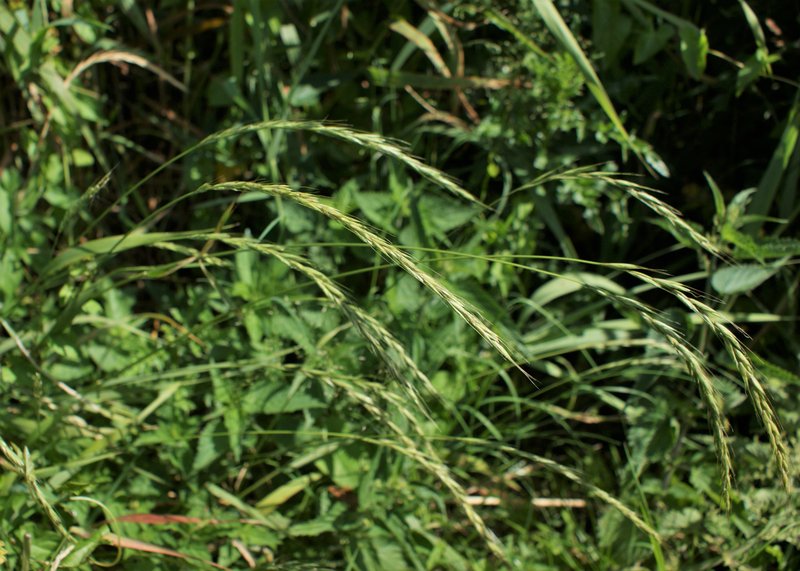
Krzysztof Ziarnek, Kenraiz
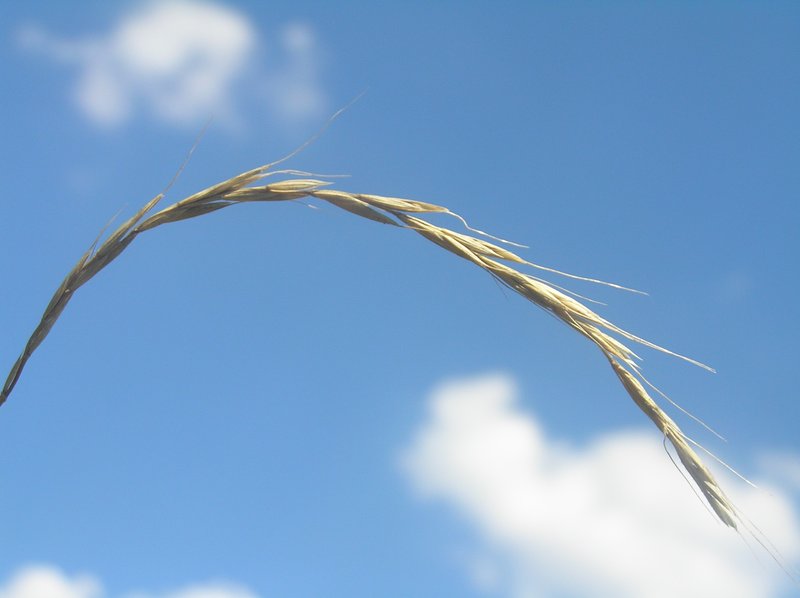
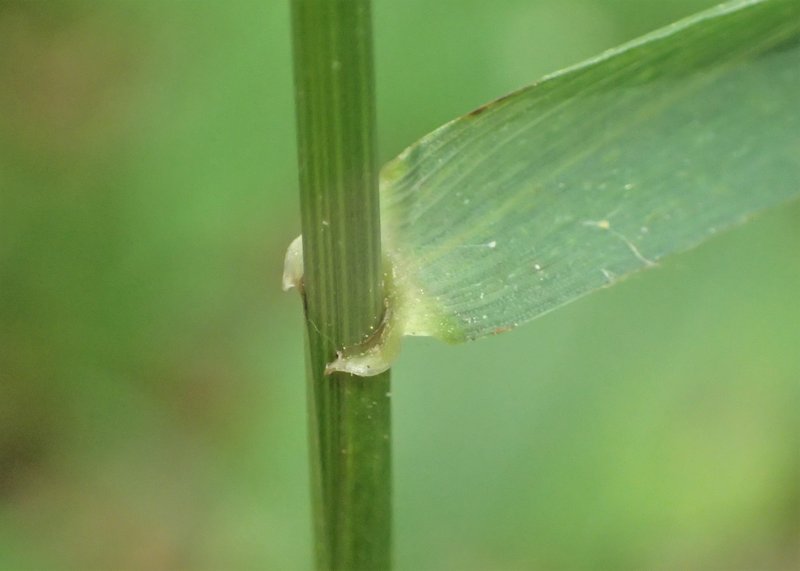
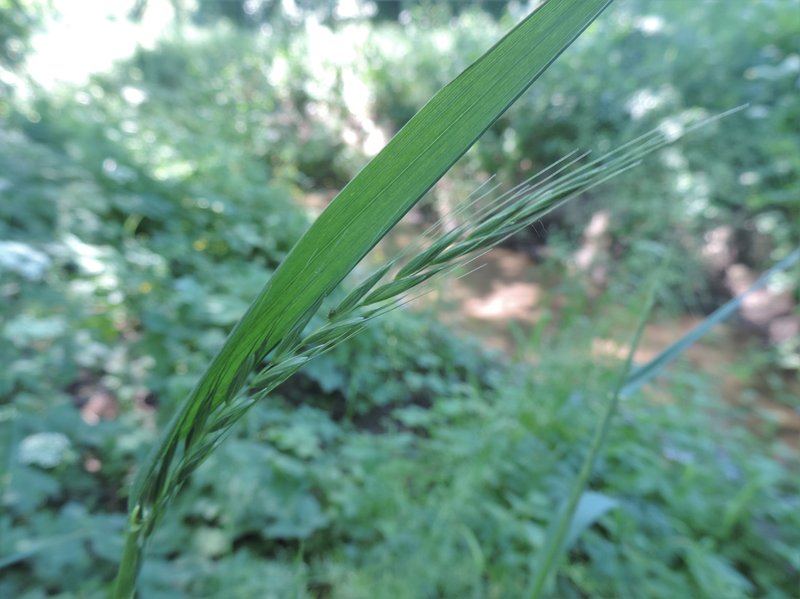
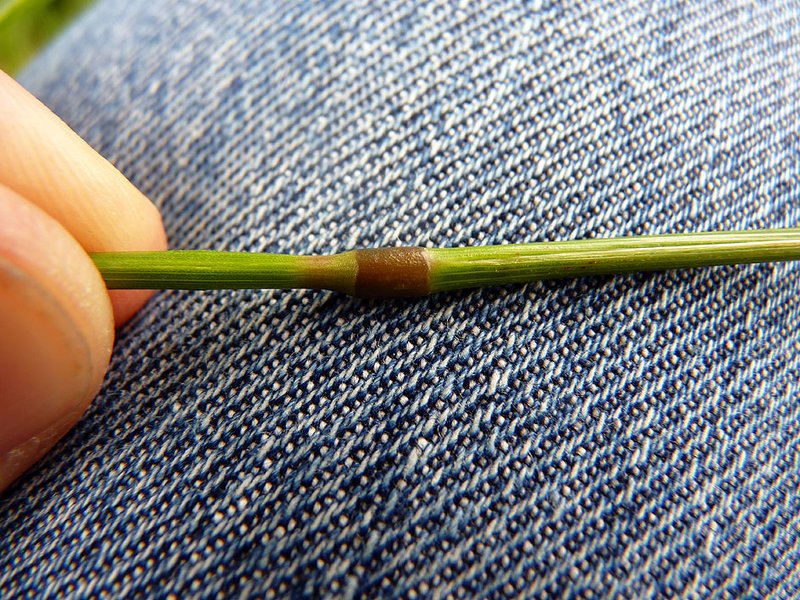
Taxonomy
- Division:
- Magnoliophyta | - Flowering plants
- Family:
- Poaceae
- Genus:
- Elymus
- Species:
- Elymus caninus
- USDA Symbol:
- ELCA11
Growth Characteristics
- Life Cycle:
- Perennial
- Growth Habit:
- Graminoid
- Height:
- 120 cm
- Light Requirements:
- Full Sun
- Drought Tolerance:
- Medium
- Bloom Months:
- jun,jul,aug
- Bloom Colors:
- green
Host Plant for Caterpillars
Faronta diffusa
Garden & Ecology Notes
- Wildlife Value:
- birds, small mammals
Soil Requirements
- Soil Type:
- moist, fertile, well-drained loamy soil
- pH:
- 5.5 - 7.0 (slightly acidic to neutral)
- Drainage:
- tolerates moderate drainage
- Moisture:
- consistently moist
- Notes:
- prefers shaded or semi-shaded areas
Propagation & Germination
- Stratification:
- Cold/moist stratification required — 30–60 days
- Germination Time:
- 14–30 days
- Notes:
- Seeds germinate readily after cold stratification; sow in fall or stratify for 4-8 weeks.
Pre-treatment: Seeds placed in 0-1°C (32-34°F) for a 10-day cold stratification treatment and then exposed to 22-25°C (72-77°F).
Establishment: Wildland collection occurs mid to late August when caryopsis are tannish-brown, at the hard dough stage, and not yet shattering from the erect spike. One collection hour/person yielded 164 grams (5.8 oz) clean seed (varies by year, stand density, and collector experience).
Source: npn.rngr.net