
New Jersey Tea
Ceanothus americanus
- Native to:
- Canada, United States, Virgin Islands
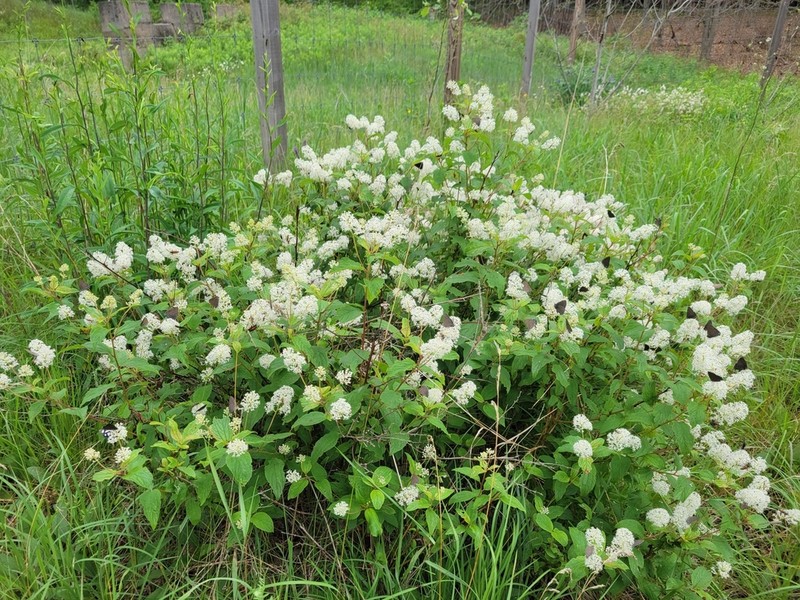
iNaturalist: © wf_mi (iNaturalist #85130558)
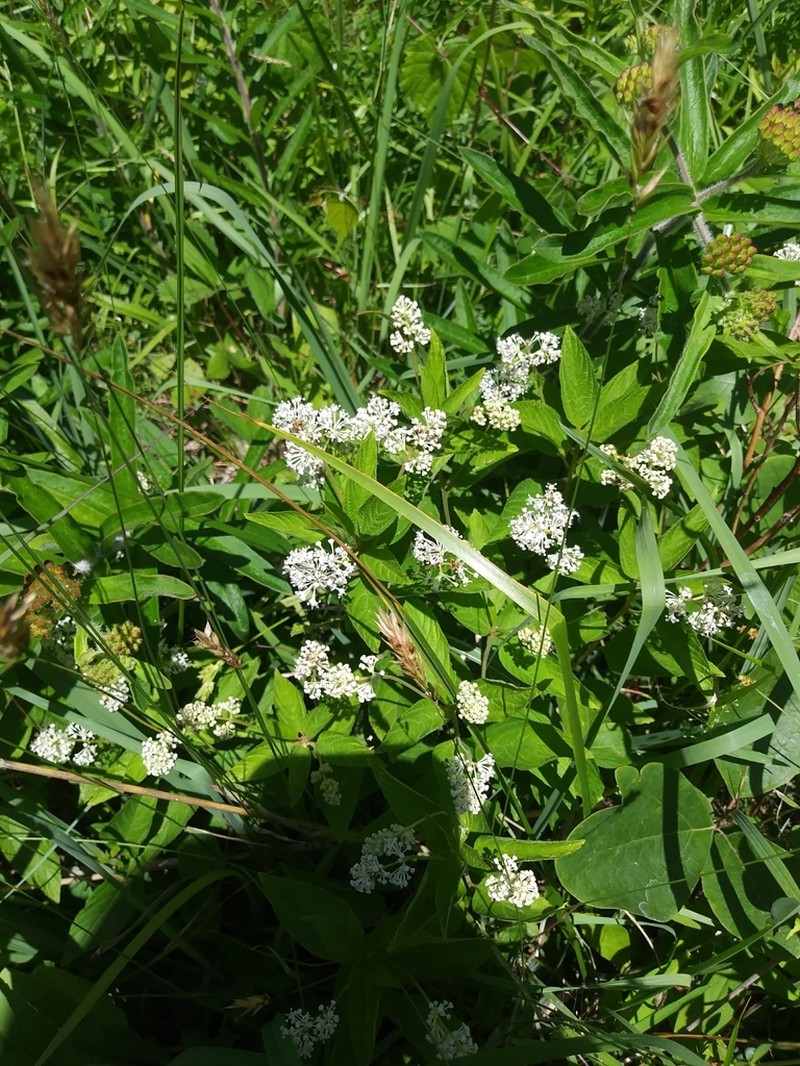
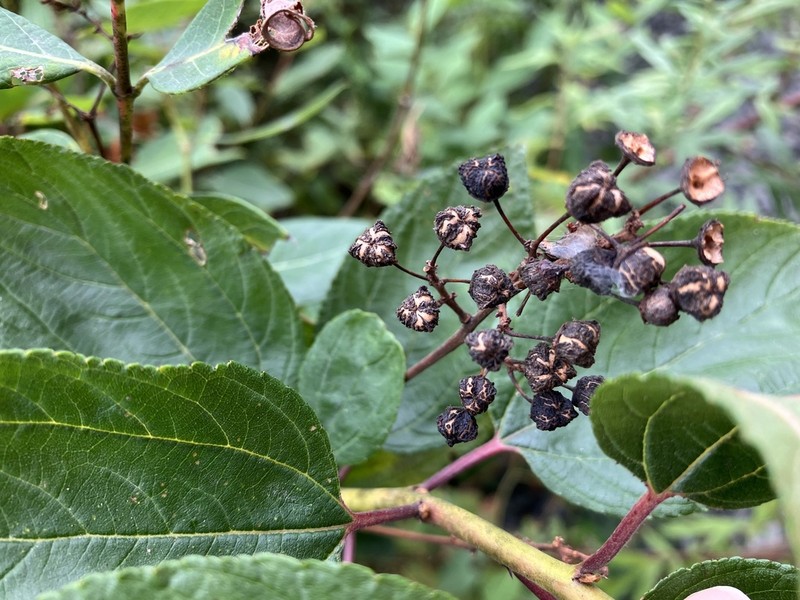
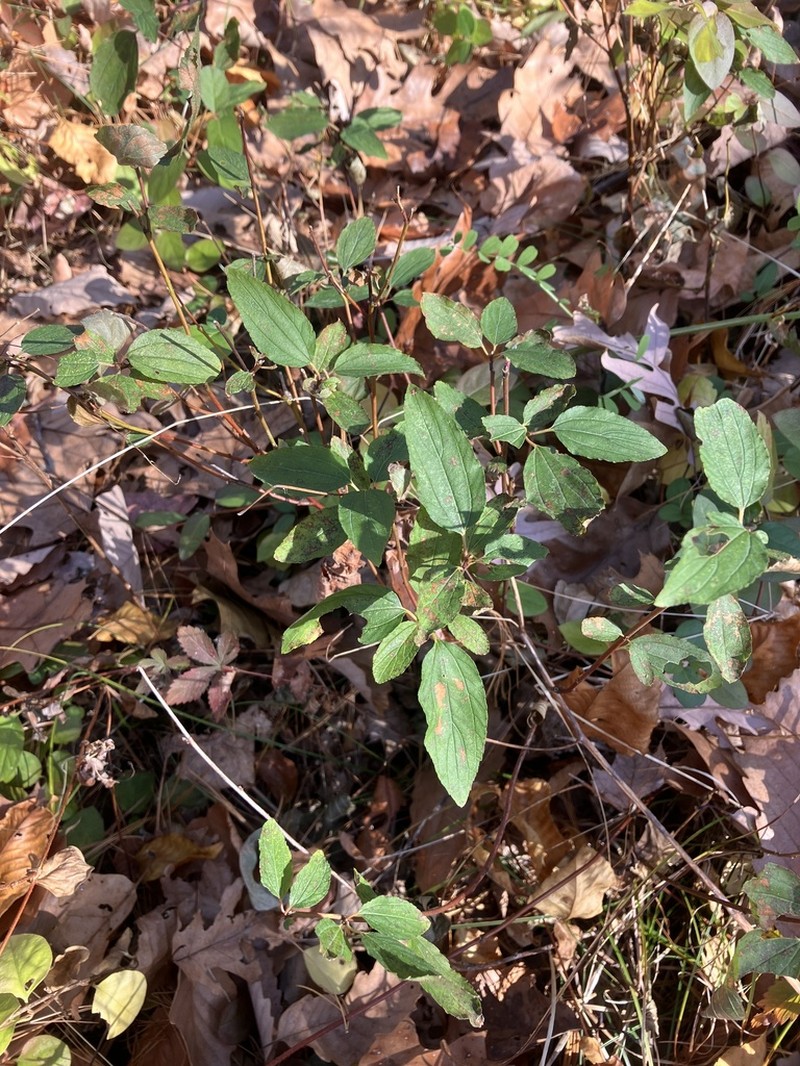
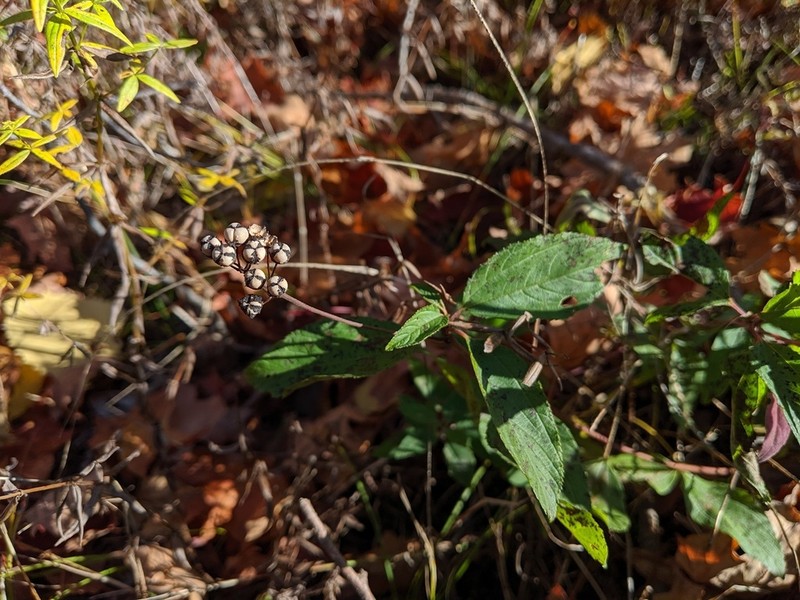
Taxonomy
- Division:
- Magnoliophyta | - Flowering plants
- Family:
- Rhamnaceae
- Genus:
- Ceanothus
- Species:
- Ceanothus americanus
- USDA Symbol:
- CEAM
Growth Characteristics
- Life Cycle:
- Perennial
- Growth Habit:
- Shrub , Subshrub
- Height:
- 120 cm
- Light Requirements:
- Full Sun,Part Shade
- Drought Tolerance:
- High
- Bloom Months:
- may,jun,jul
- Bloom Colors:
- white
- Landscaping Shrub:
- Yes
Wildlife Benefits
- Bees:
- ★☆☆☆☆ Documented bee visitation (GBIF)
- Butterflies & Moths:
- ★★★★★ Documented Lepidoptera association (GBIF)
- Caterpillars:
- ★★☆☆☆ Recorded caterpillar host plant (HOSTS Database)
Keystone Species Ranking
- Caterpillar Keystone:
- ★★★★☆ Butterfly & moth species supported by this genus (NWF)
Host Plant for Caterpillars
Reported Fauna Sightings
Garden & Ecology Notes
- Wildlife Value:
- birds, butterflies, small mammals
- Deer Resistant:
- Yes
- Fragrant:
- Yes
- Fall Color:
- yellow
- Fire Ecology:
- Fire adapted — tolerates or benefits from fire
- Fire Notes:
- Resprouts from root crown after fire; seeds germinate readily in post-fire conditions.
Soil Requirements
- Soil Type:
- sandy, acidic, nutrient-poor soil
- pH:
- 4.5 - 6.5 (acidic to slightly acidic)
- Drainage:
- excellent drainage required
- Moisture:
- dry to moderate
- Notes:
- prefers open, sunny locations
Propagation & Germination
- Stratification:
- Cold/moist stratification required — 60–90 days
- Scarification:
- Seed coat scarification required before sowing
- Germination Time:
- 30–60 days
- Notes:
- Seeds require scarification (hot water or mechanical) followed by cold stratification for 60-90 days.
Pre-treatment: Cuttings: Trim to about 6" with sterile shears leaving one pair of leaves at the top. Dip cut ends in a 1:10 solution of rooting hormone and stick in perlite-filled plastic flats with drainage holes. Place flats under mist in the greenhouse until rooting occurs. Seeds: Save 8 ounces of seed to sow one bench in either 64 flats of the Multipot #6, or 24 flats of the Multipot #3 or #4. Damp stratify by mixing it with equal amounts of vermiculite and lightly dampening in a plastic bag or container. Store this seed for 3-4 months in a cold room of 34-36 degrees F. If unable to plant in the fall due to weather, store the seed dry in cold storage at 34-36 degrees F.
Establishment: The plant flowers from approx. June 19 to July 1. Seed is harvested about August 18. The protocols vary based on whether the propagation source is a seed or a cutting. The seed protocol also varies based on whether the seed is field grown or not.
Source: npn.rngr.net
ORGHPS Germination Guide: Expose to fluctuation outdoor winter temperatures including freezing for 3 months. Gradually increase light and temperature in the spring. Requires scarification. Nick or rub between sheets of sandpaper. Requires soaking. Place in warm water until seeds swell, usually 24-48 hours. Discard water and any seeds that remain floating. * remove stiff husk
Where to Buy
Nationwide Seller
- Prairie Moon Nursery (nursery and seeds)
- Native Plants Nursery (nursery)
- Pizzo Native Plant Nursery (wholesale nursery)
- Native Seed Group (seeds)
- Native Seed Group (seeds)
- Sheffield's Seed (seeds)
- Sheffield's Seed (seeds)
- Wild Seed Project (seeds)