
Pacific Dewberry
Rubus ursinus
- Native to:
- Canada, Mexico, United States
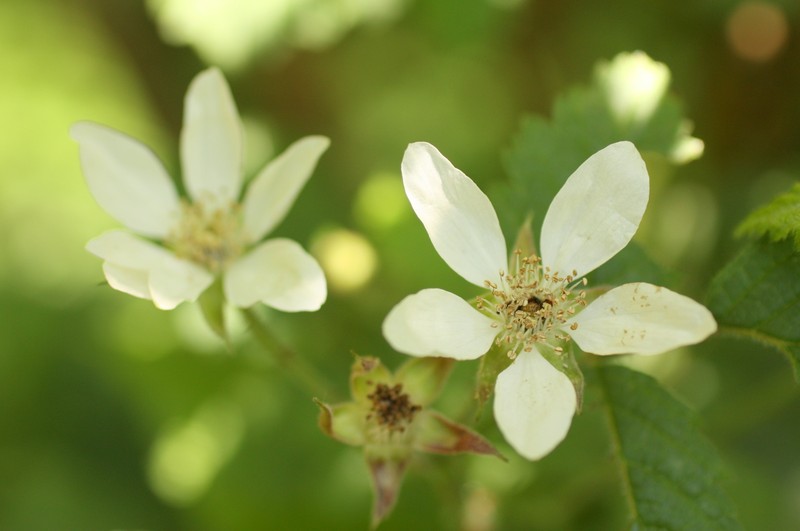
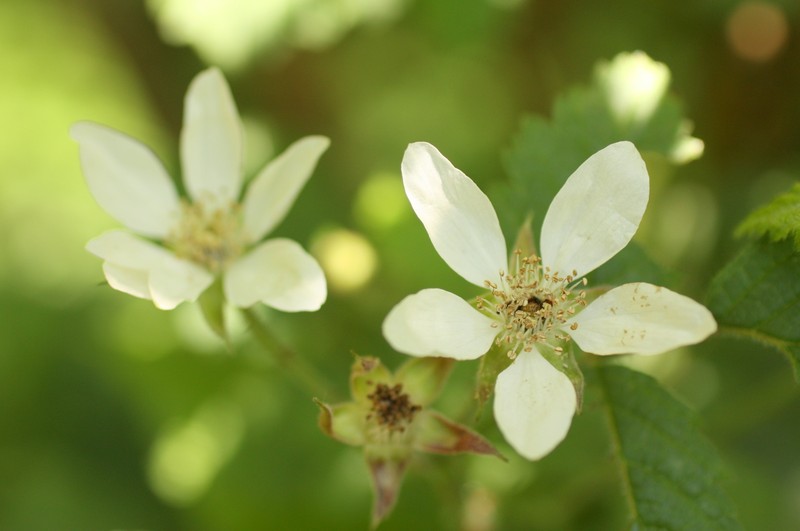
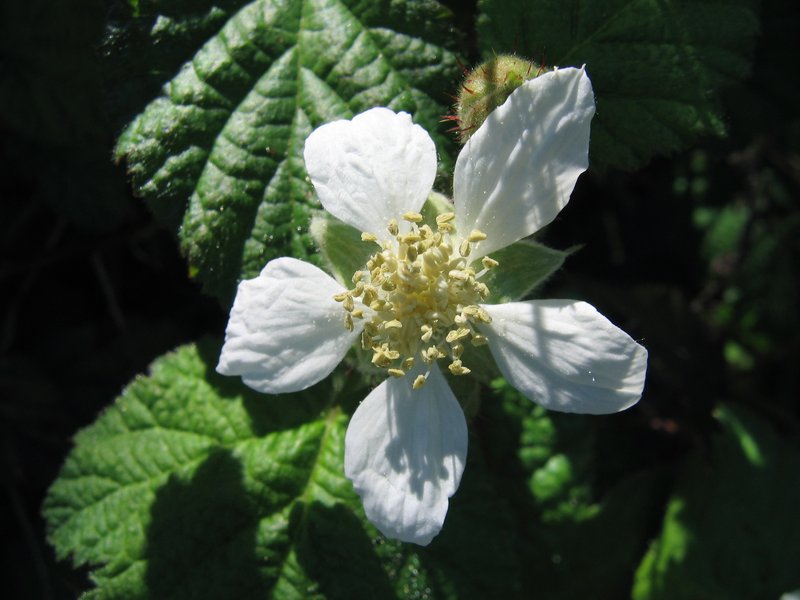
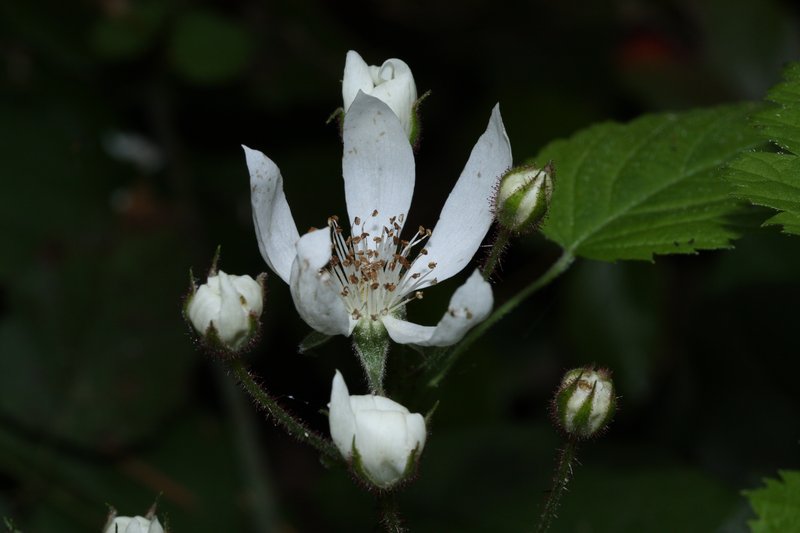
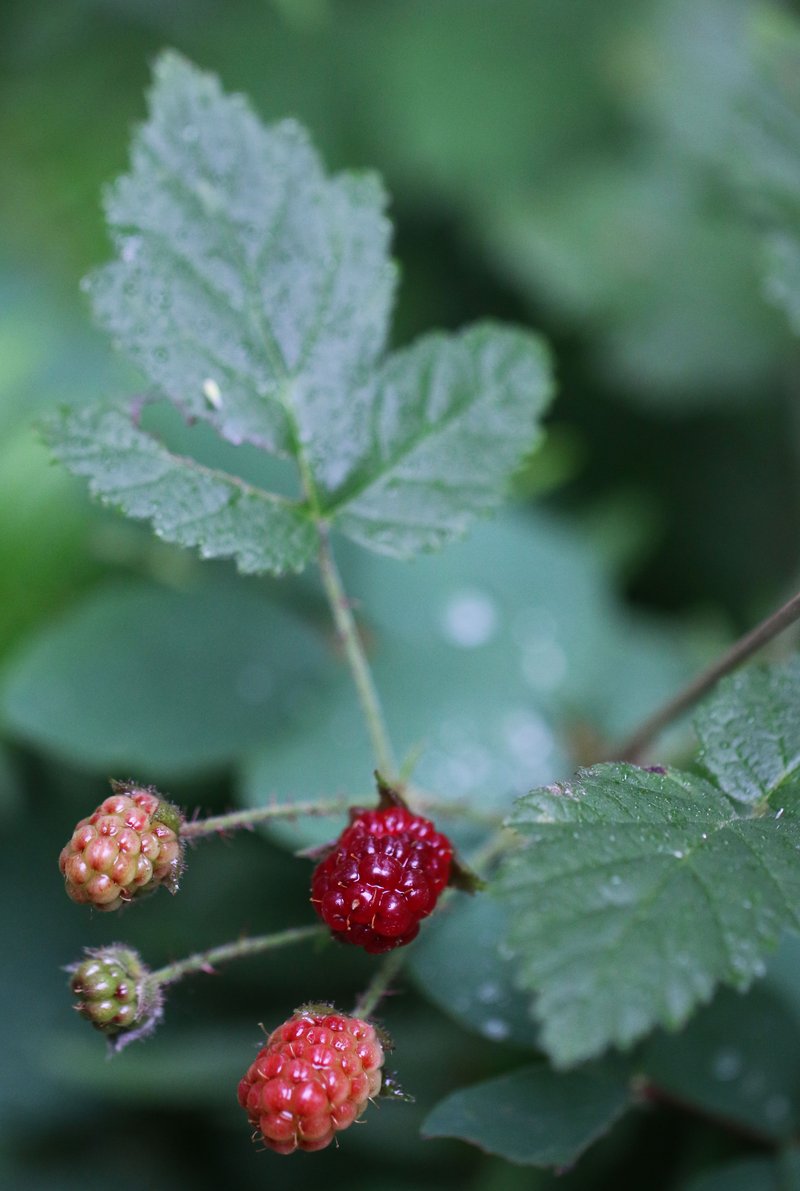
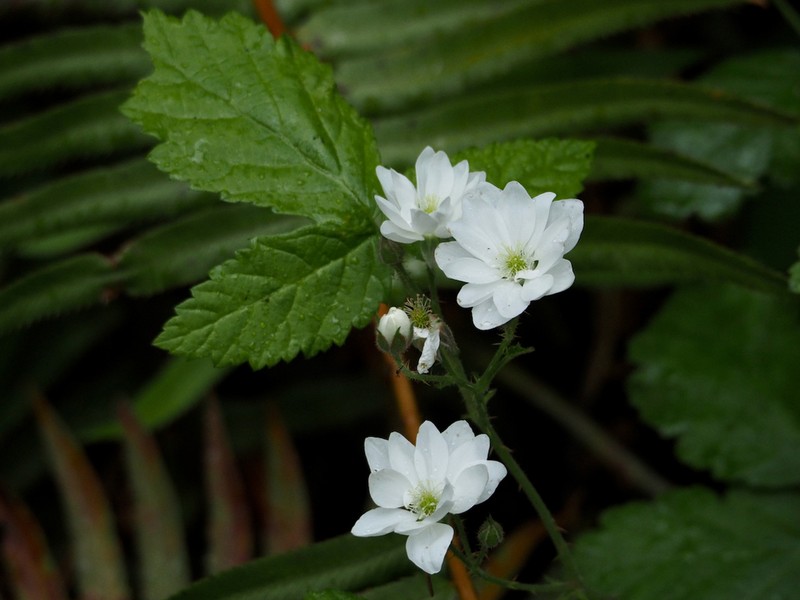
Leslie Seaton (www.flickr.com) from Seattle, WA, USA
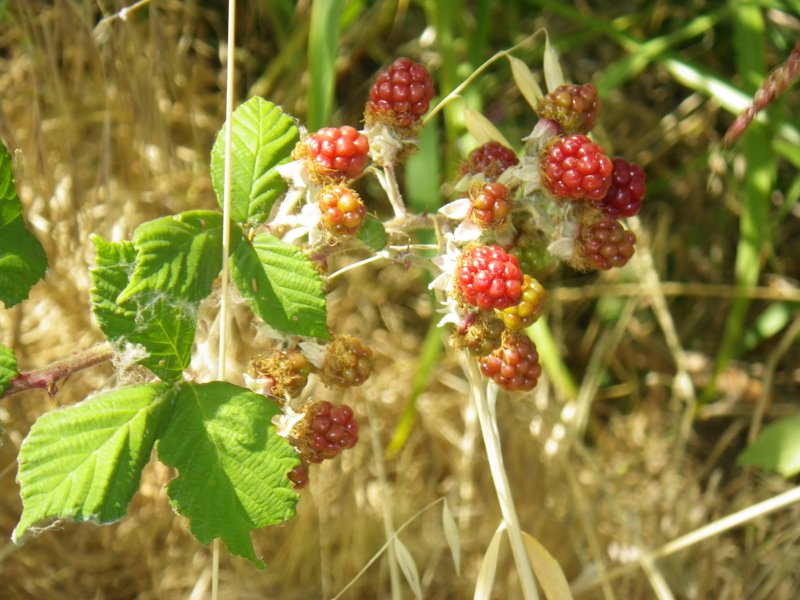
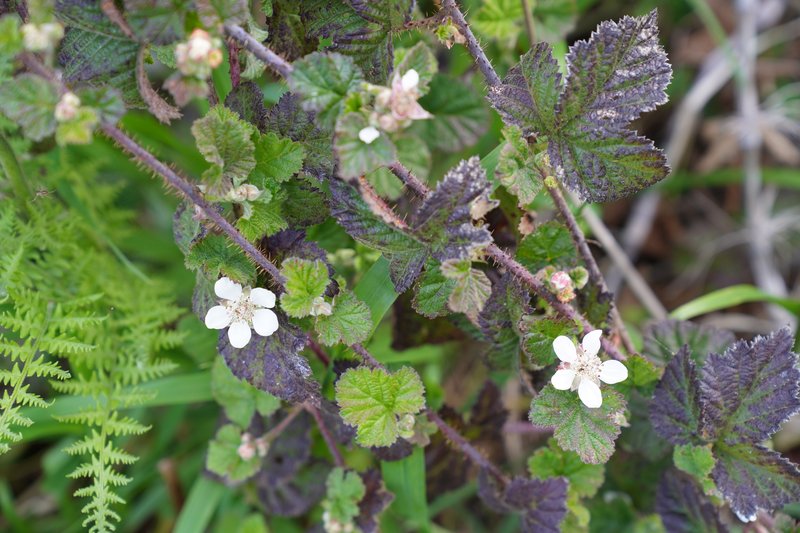
Taxonomy
- Division:
- Magnoliophyta | - Flowering plants
- Family:
- Rosaceae
- Genus:
- Rubus
- Species:
- Rubus ursinus
- USDA Symbol:
- RUVI4
Growth Characteristics
- Life Cycle:
- Perennial
- Growth Habit:
- Subshrub
- Height:
- 600 cm
- Light Requirements:
- Full Sun,Part Shade,Shade
- Drought Tolerance:
- Medium
- Bloom Months:
- mar,apr,may,jun
- Bloom Colors:
- white
- Food Forest:
- Contains edible parts
Wildlife Benefits
- Bees:
- ★☆☆☆☆ Documented bee visitation (GBIF)
- Butterflies & Moths:
- ★★★★☆ Documented Lepidoptera association (GBIF)
- Caterpillars:
- ★★☆☆☆ Recorded caterpillar host plant (HOSTS Database)
Keystone Species Ranking
- Caterpillar Keystone:
- ★★★★★ Butterfly & moth species supported by this genus (NWF)
Host Plant for Caterpillars
Acleris keiferi, blackberry skeletonizer (Schreckensteinia festaliella), Britannia Acleris Moth (Acleris britannia), Marmara sp., orange tortrix moth (Argyrotaenia citrana), orange tortrix moth (Argyrotaenia franciscana), Tischeria splendida
Reported Fauna Sightings
Bees: Black-tailed bumble bee (Bombus melanopygus), Obscure bumble bee (Bombus caliginosus), Sitka bumble bee (Bombus sitkensis), Yellow head bumble bee (Bombus flavifrons), Yellow-faced bumble bee (Bombus vosnesenskii) Moths:Coptotriche splendida Butterflies:Margined White (Pieris marginalis), Painted Lady (Vanessa cardui)
Garden & Ecology Notes
- Wildlife Value:
- birds, small mammals, bears, bees, butterflies
- Fragrant:
- Yes
- Fire Ecology:
- Fire adapted — tolerates or benefits from fire
- Fire Notes:
- Resprouts vigorously from root crown following fire; often increases in density post-burn.
Propagation & Germination
- Stratification:
- Cold/moist stratification required — 90–120 days
- Germination Time:
- 30–90 days
- Notes:
- Seeds require cold stratification; germination can be erratic and may take multiple seasons.
Where to Buy
Nationwide Seller
- Sheffield's Seed (seeds)