
Meadow Willow
Salix petiolaris
- Native to:
- Canada, Prince Edward I., United States
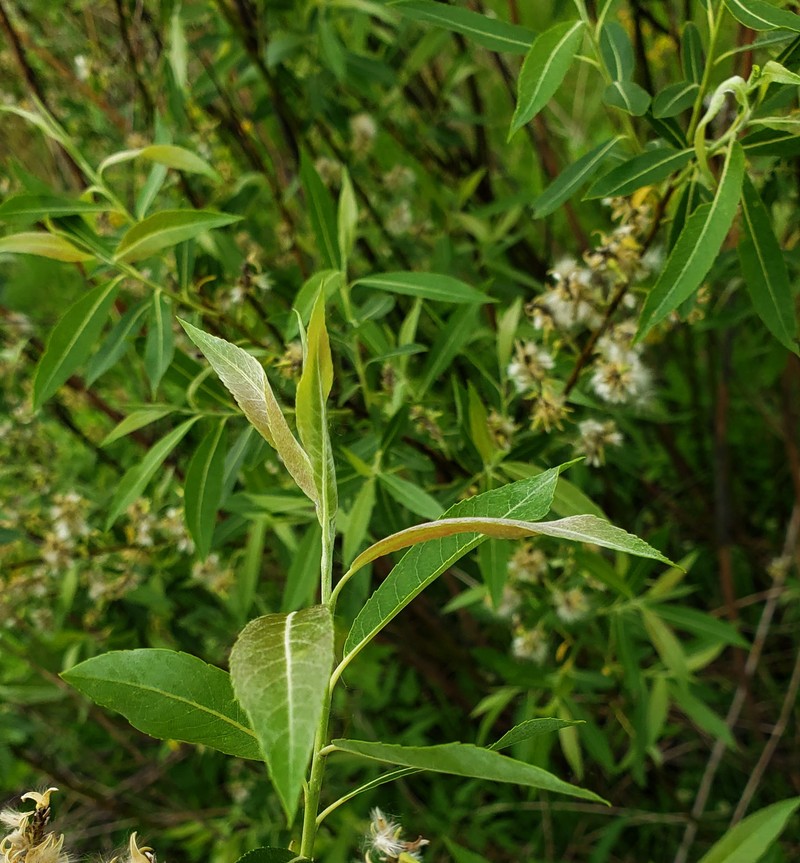
aarongunnar (www.inaturalist.org)
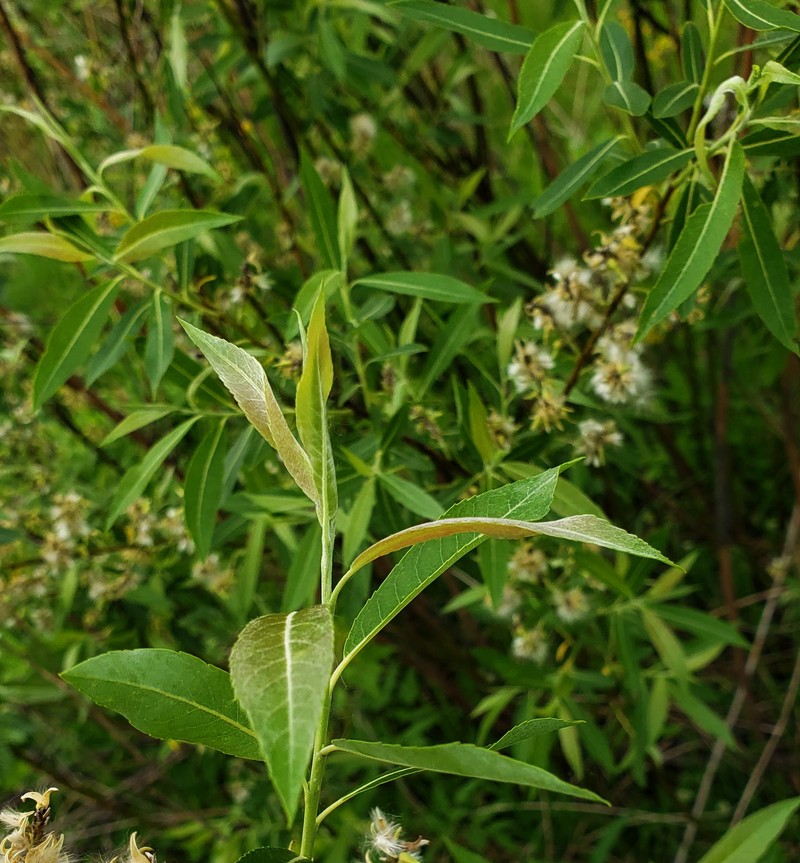
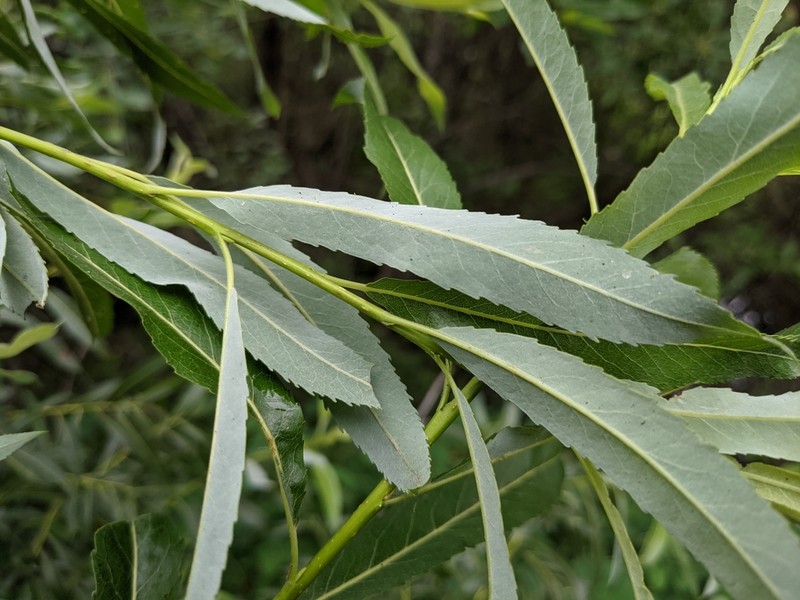
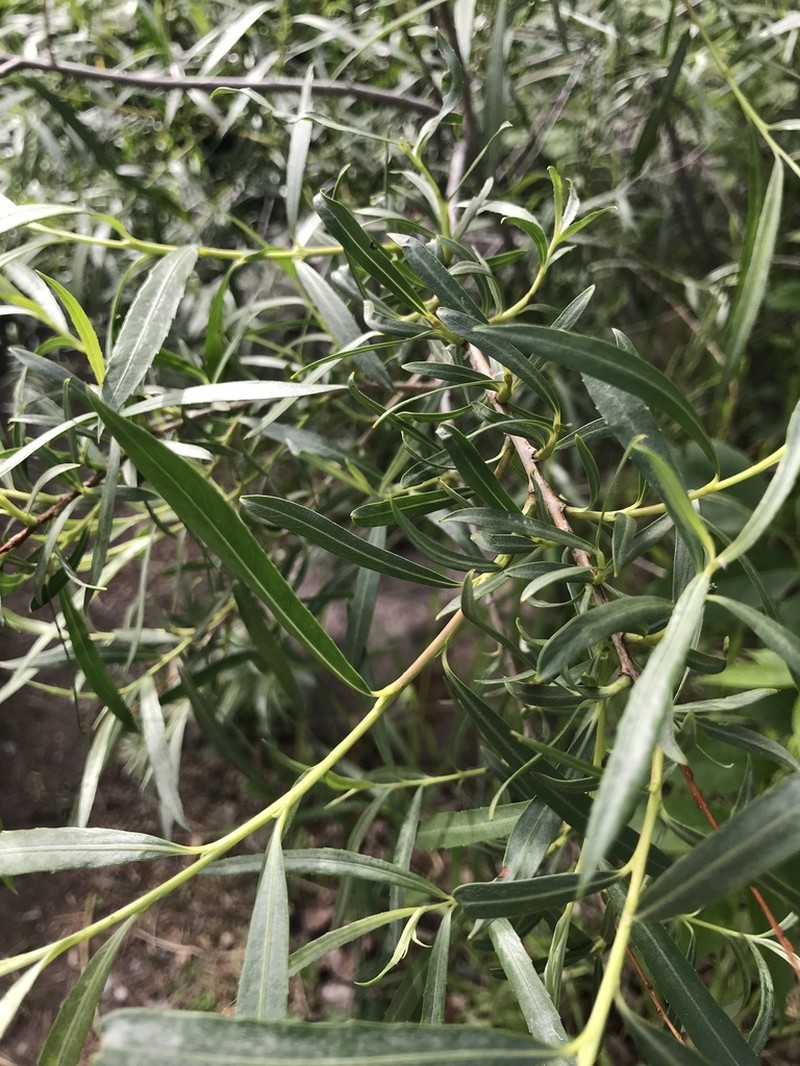
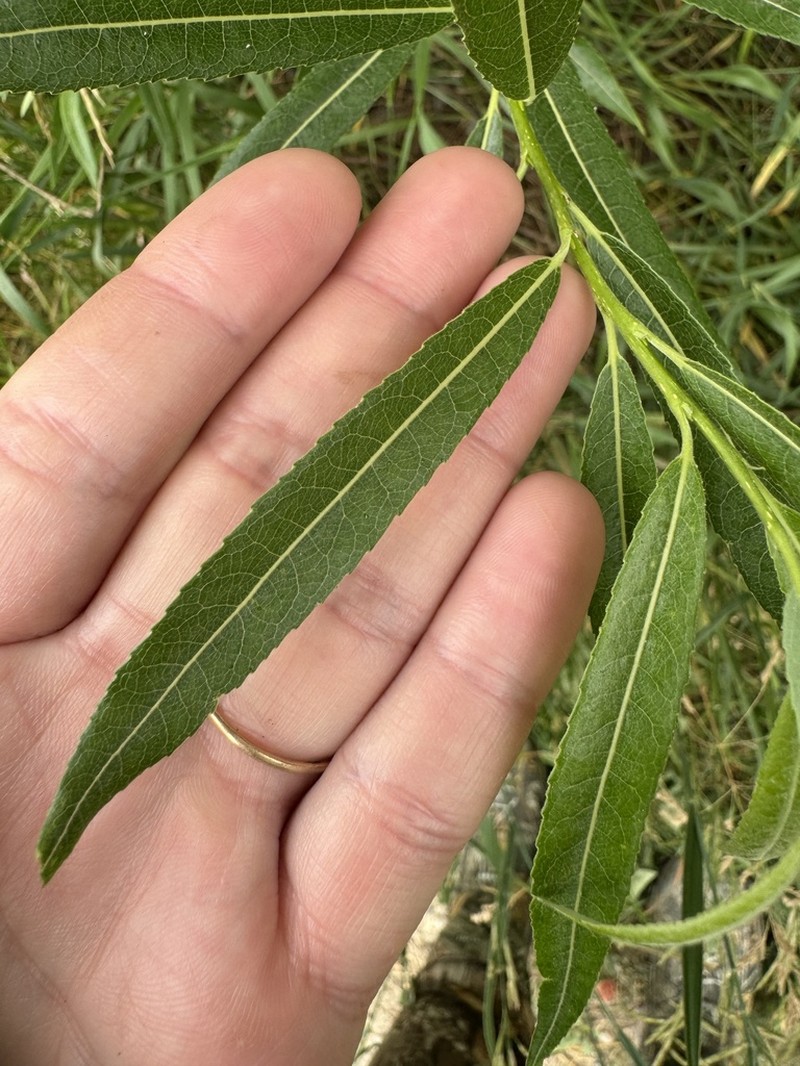
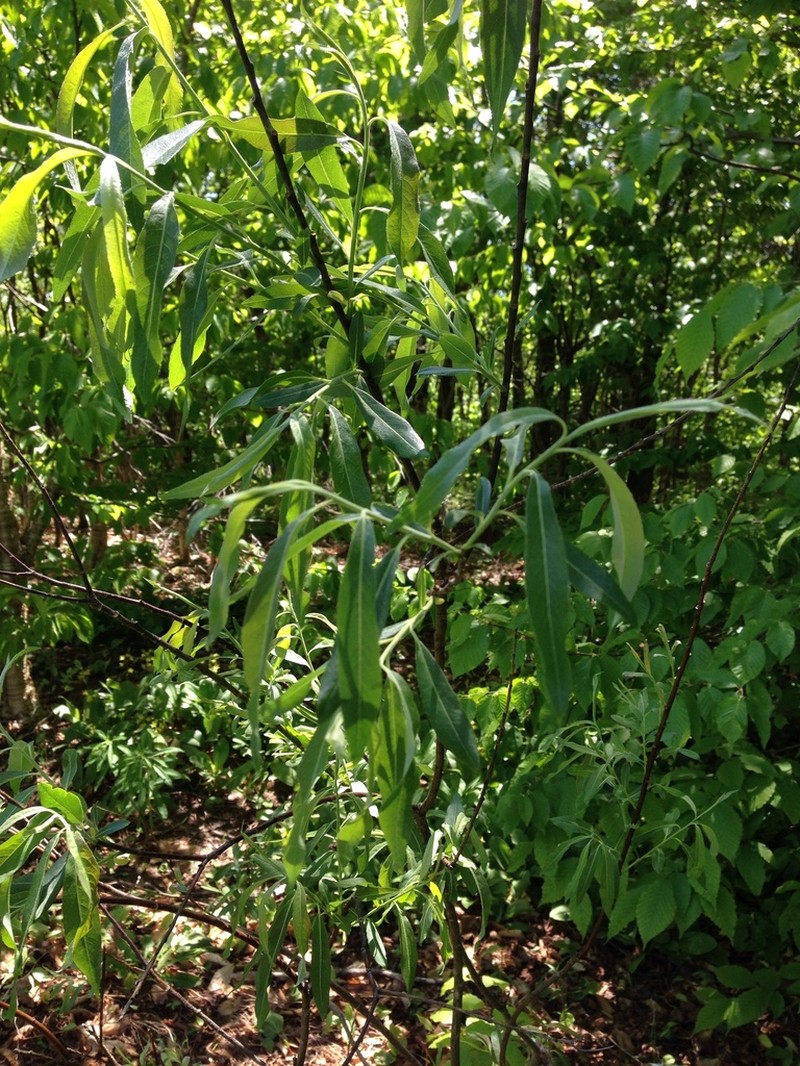
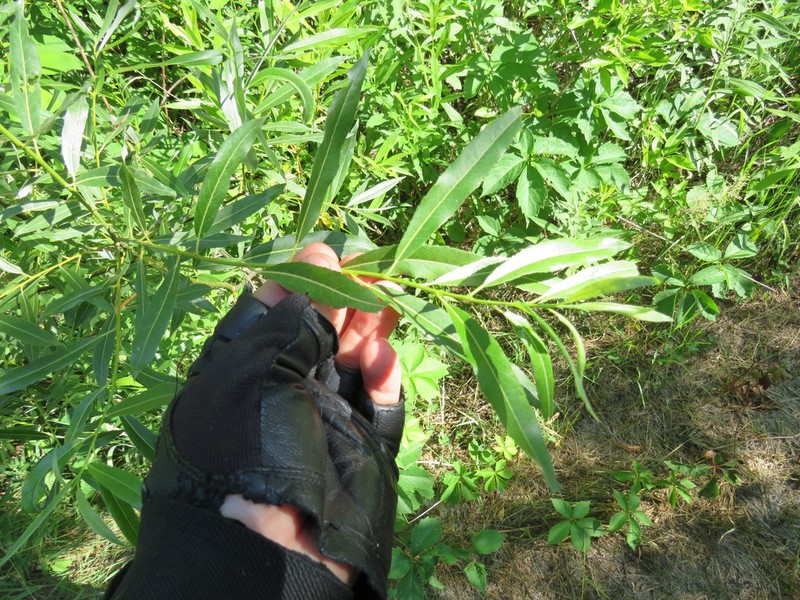
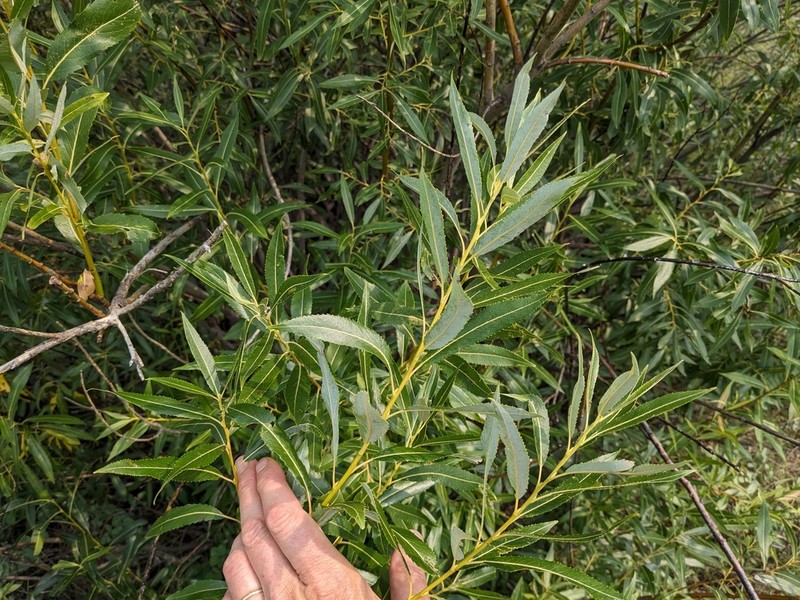
Taxonomy
- Division:
- Magnoliophyta | - Flowering plants
- Family:
- Salicaceae
- Genus:
- Salix
- Species:
- Salix petiolaris
- USDA Symbol:
- SAPE5
Growth Characteristics
- Life Cycle:
- Perennial
- Growth Habit:
- Shrub , Tree
- Height:
- 900 cm
- Light Requirements:
- Full Sun
- Drought Tolerance:
- Low
- Bloom Months:
- apr,may
- Bloom Colors:
- yellow, green
Wildlife Benefits
- Bees:
- ★☆☆☆☆ Documented bee visitation (GBIF)
- Butterflies & Moths:
- ★☆☆☆☆ Documented Lepidoptera association (GBIF)
- Caterpillars:
- ★★★☆☆ Recorded caterpillar host plant (HOSTS Database)
Keystone Species Ranking
- Caterpillar Keystone:
- ★★★★★ Butterfly & moth species supported by this genus (NWF)
- Pollen Specialist Bee Keystone:
- ★★★★★ Native pollen specialist bee species supported by this genus (NWF)
Host Plant for Caterpillars
Anagoga occiduaria, Anaplectoides pressus, Black-rimmed Prominent (Pheosia rimosa), Cerastis tenebrifera, Confused Morrisonia (Morrisonia confusa), gray dagger moth (Acronicta grisea), Herald (Scoliopteryx libatrix), Lacanobia radix, Lace-winged zale (Zale minerea), Nevada buckmoth (Hemileuca nevadensis-complex), New England buck moth (Hemileuca lucina), Pyreferra citrombra, stormy arches (Polia nimbosa), Unicorn caterpillar moth (Schizura unicornis), Western furcula moth (Furcula occidentalis), Willow ghost moth (Sthenopis thule), Acadian Hairstreak (Satyrium acadicum)
Garden & Ecology Notes
- Wildlife Value:
- bees, butterflies, birds, small mammals
- Fall Color:
- yellow
Soil Requirements
- Soil Type:
- moist, nutrient-rich, loamy soil
- pH:
- 5.5 - 7.5 (slightly acidic to neutral)
- Drainage:
- tolerates poor drainage
- Moisture:
- consistently moist
- Notes:
- Commonly found in wetland areas
Propagation & Germination
- Stratification:
- Cold/moist stratification required — 30–60 days
- Germination Time:
- 14–30 days
- Notes:
- Seeds are short-lived and should be sown fresh; no pretreatment needed if sown immediately after collection.
Where to Buy
Nationwide Seller
- Prairie Moon Nursery (nursery and seeds)