
Alpine Willow
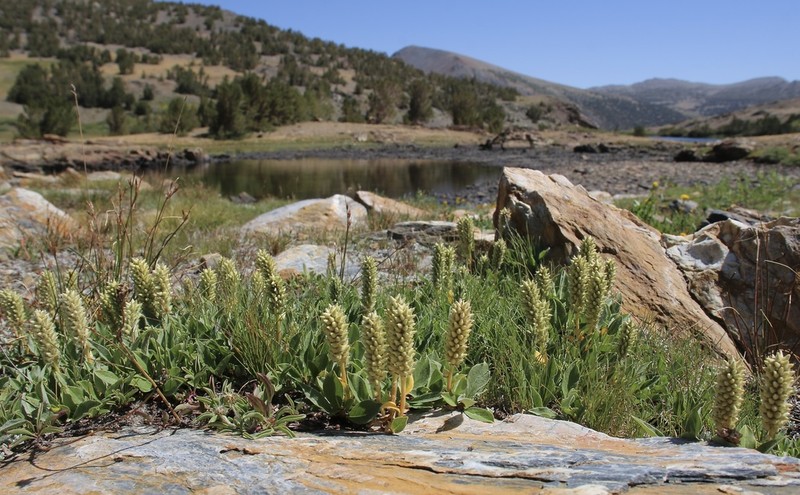
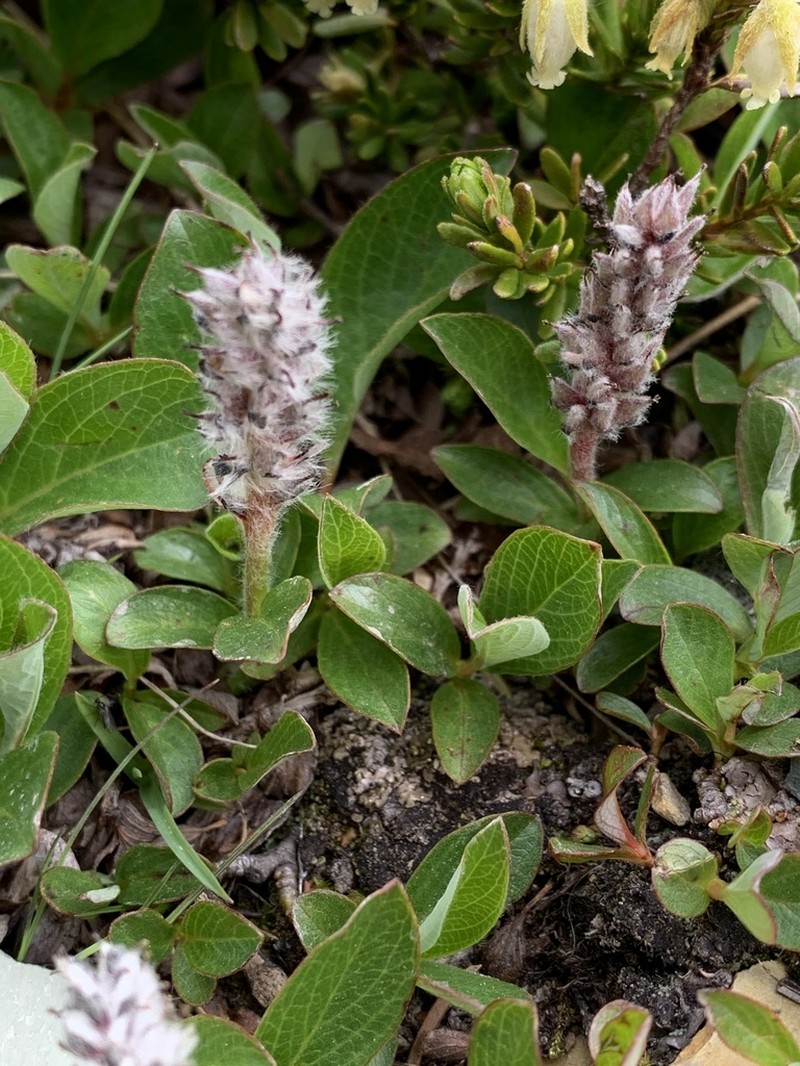
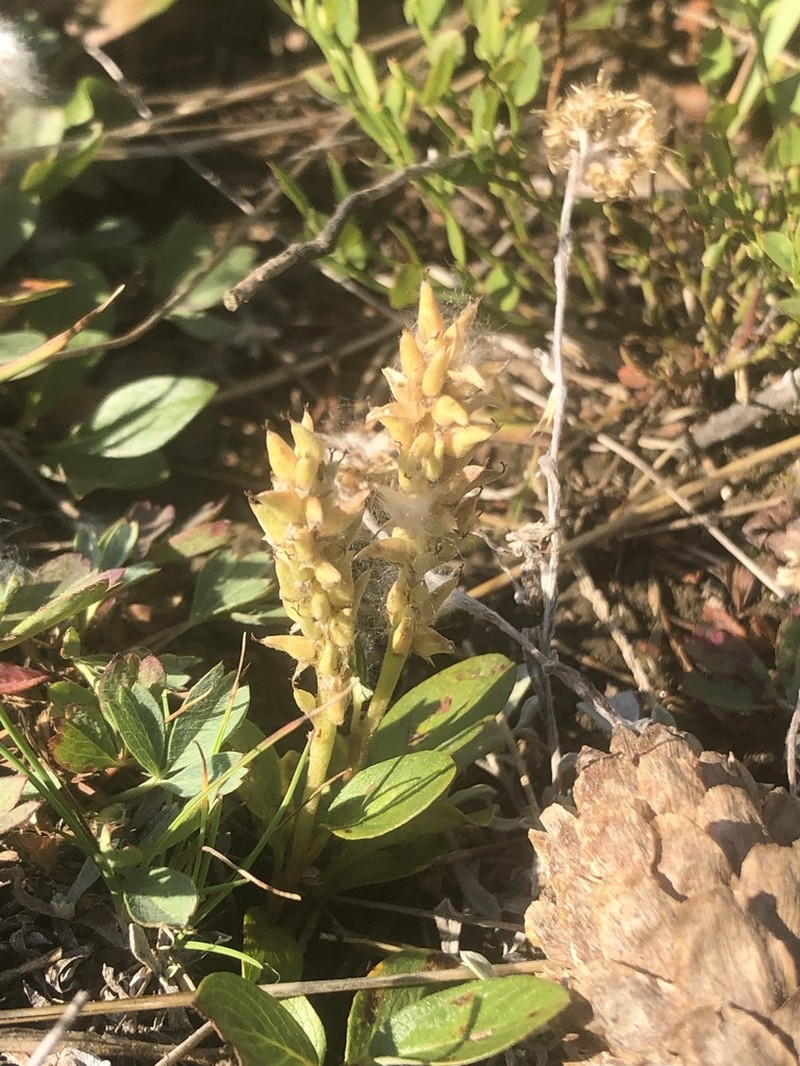
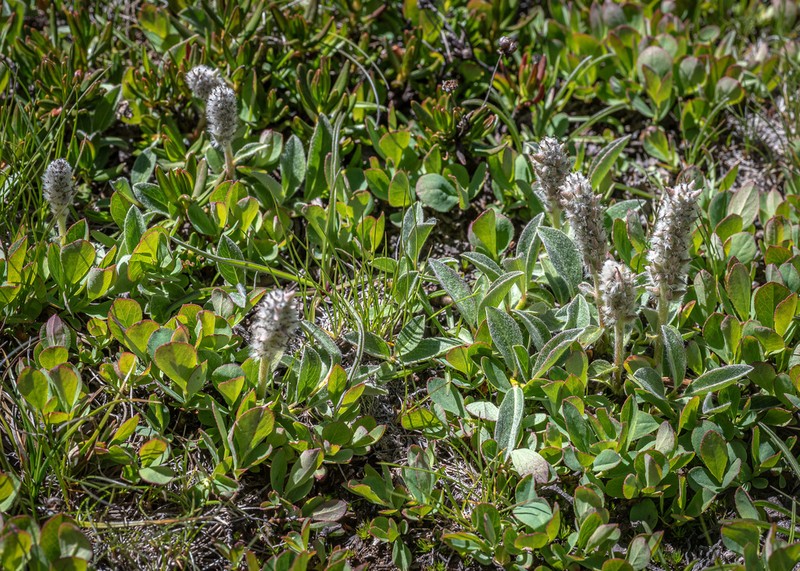
Salix petrophila
- Native to:
- Canada, United States
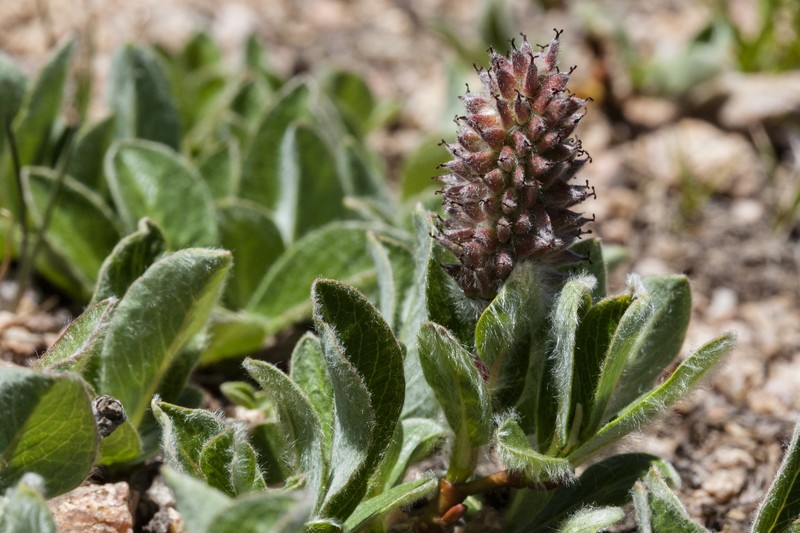
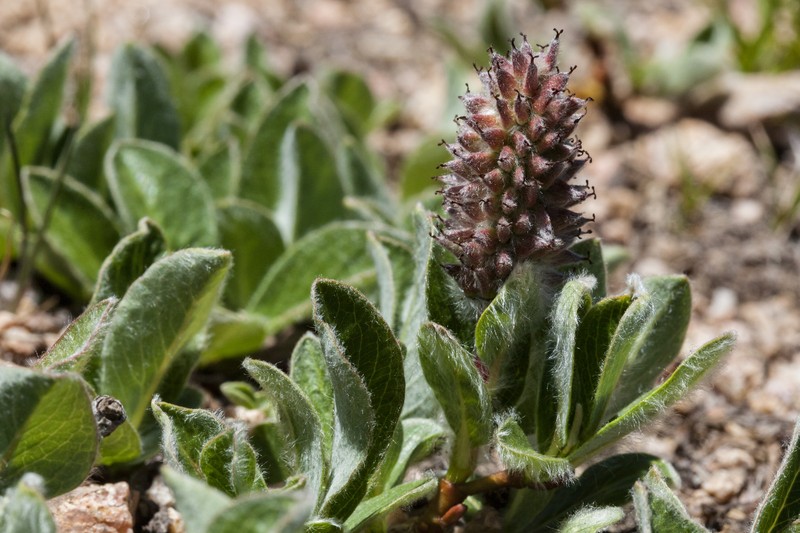
Patrick Alexander (www.flickr.com) from Las Cruces, NM
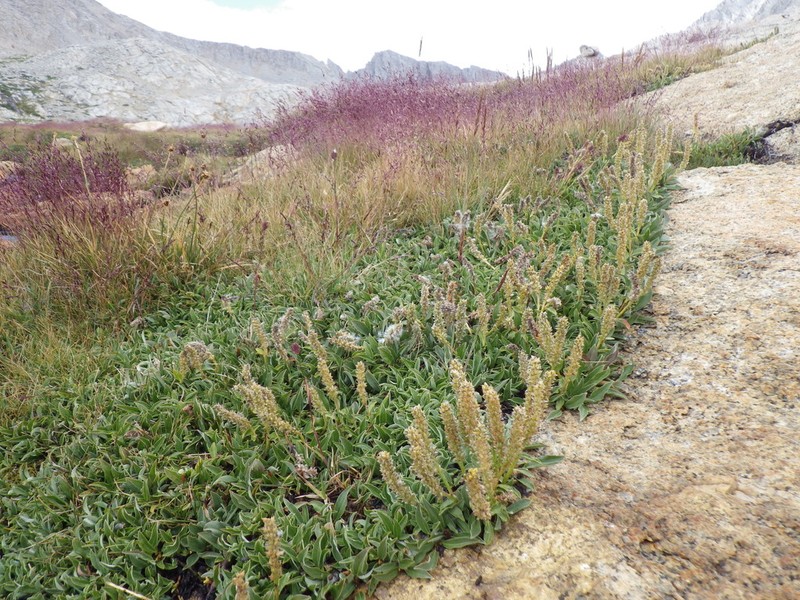
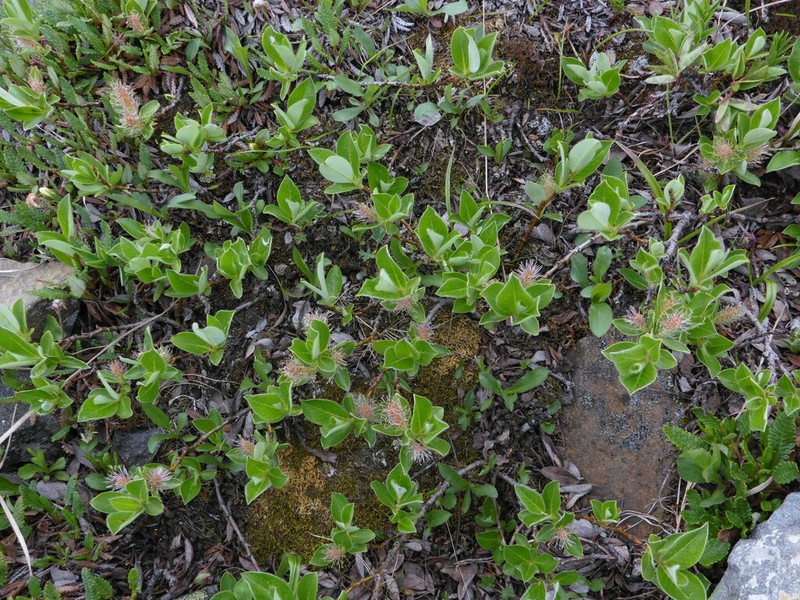
Taxonomy
- Division:
- Magnoliophyta | - Flowering plants
- Family:
- Salicaceae
- Genus:
- Salix
- Species:
- Salix petrophila
- USDA Symbol:
- SAPE18
Growth Characteristics
- Life Cycle:
- Perennial
- Growth Habit:
- Shrub
- Height:
- 30 cm
- Light Requirements:
- Full Sun
- Drought Tolerance:
- Low
- Bloom Months:
- jun,jul,aug
- Bloom Colors:
- yellow, green
Wildlife Benefits
- Butterflies & Moths:
- ★☆☆☆☆ Documented Lepidoptera association (GBIF)
Keystone Species Ranking
- Caterpillar Keystone:
- ★★★★★ Butterfly & moth species supported by this genus (NWF)
- Pollen Specialist Bee Keystone:
- ★★★★★ Native pollen specialist bee species supported by this genus (NWF)
Host Plant for Caterpillars
Arctic woolly bear moth (Gynaephora groenlandica), Ross's tussock moth (Gynaephora rossii), Frigga fritillary (Clossiana frigga), Hecla sulphur (Colias hecla), Mountain Clouded Yellow (Colias nastes)
Garden & Ecology Notes
- Wildlife Value:
- birds, butterflies, small mammals
Soil Requirements
- Soil Type:
- rocky, well-drained, nutrient-poor soil
- pH:
- 5.5 - 7.0 (slightly acidic to neutral)
- Drainage:
- excellent drainage required
- Moisture:
- consistently moist
- Notes:
- often found in alpine and subalpine regions
Propagation & Germination
- Stratification:
- Cold/moist stratification required — 30–60 days
- Germination Time:
- 14–30 days
- Notes:
- Seeds are short-lived and should be sown fresh; cold stratification may improve germination.