
Silky Willow
Salix sericea
- Native to:
- Canada, United States, Virgin Islands
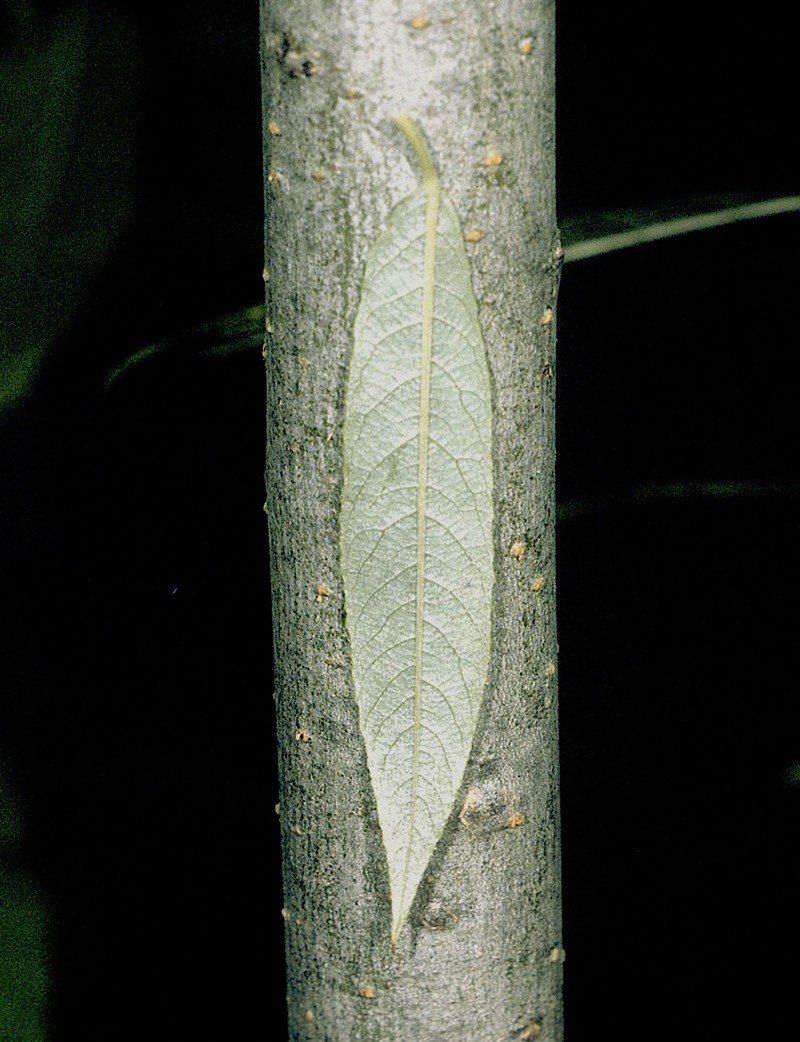
iNaturalist: © abelkinser (iNaturalist #42565370)
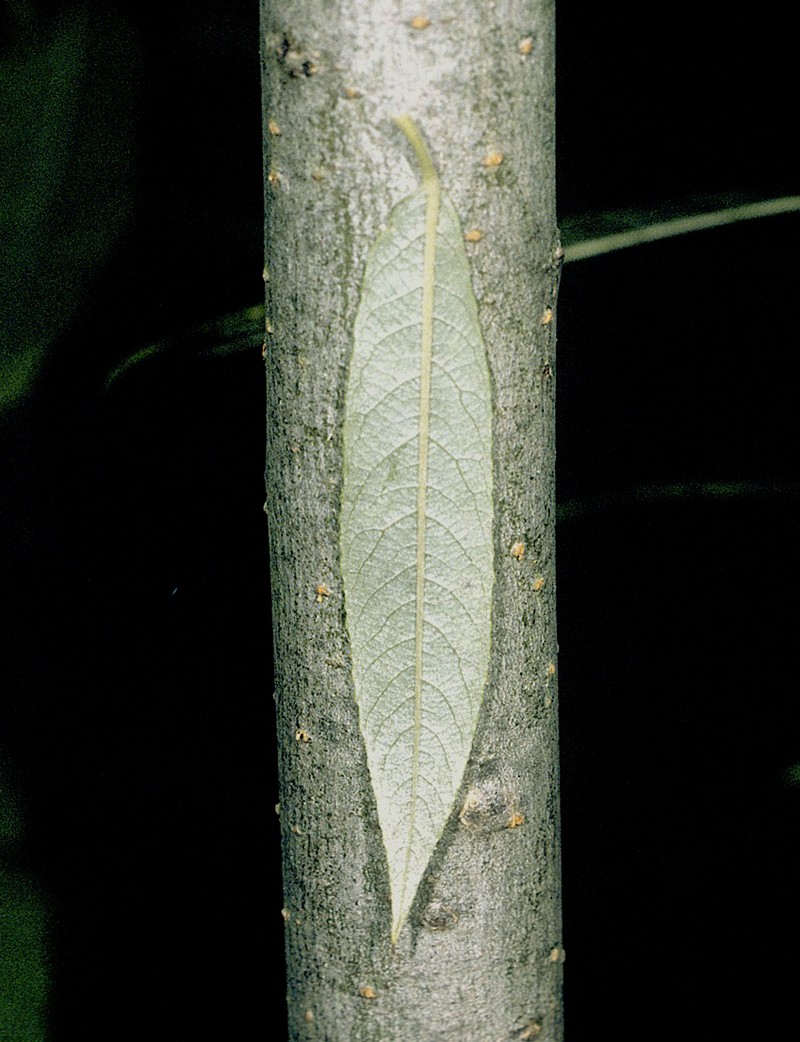
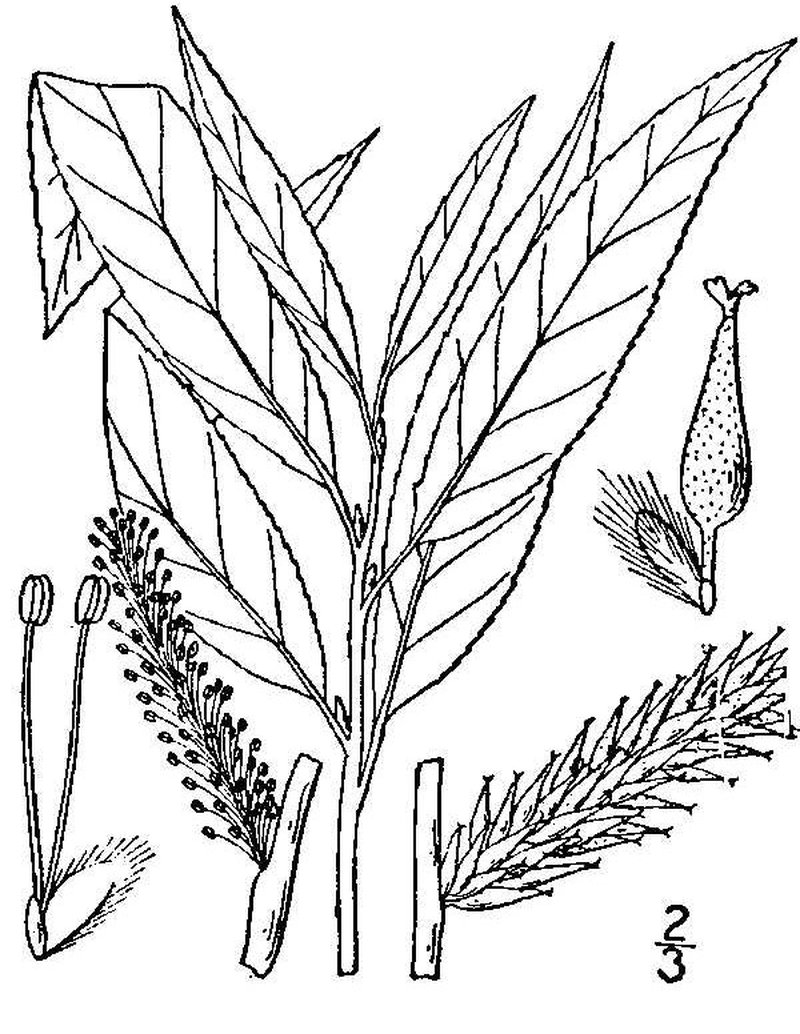
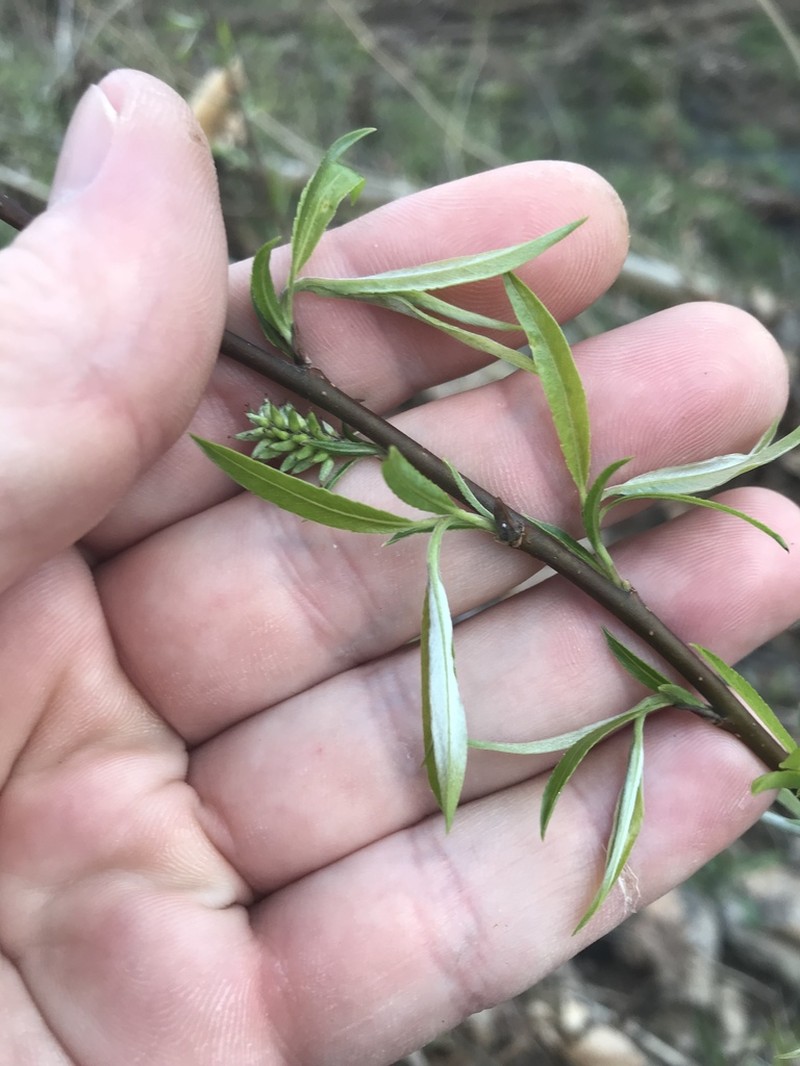
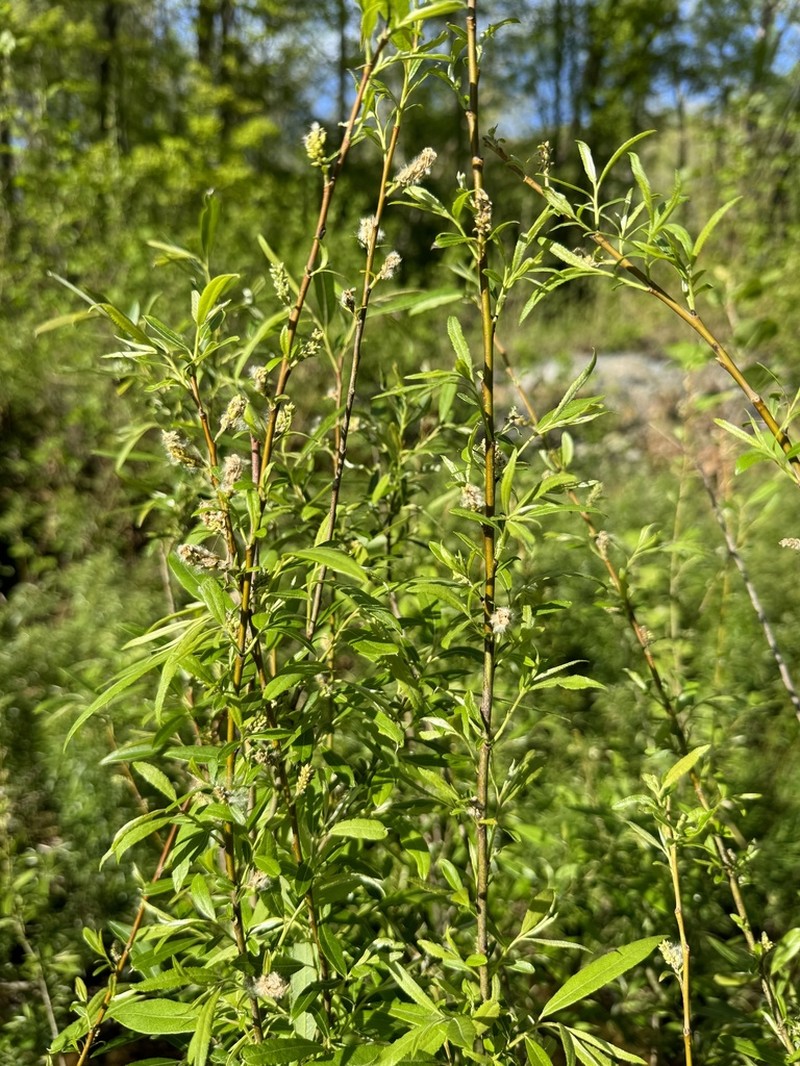
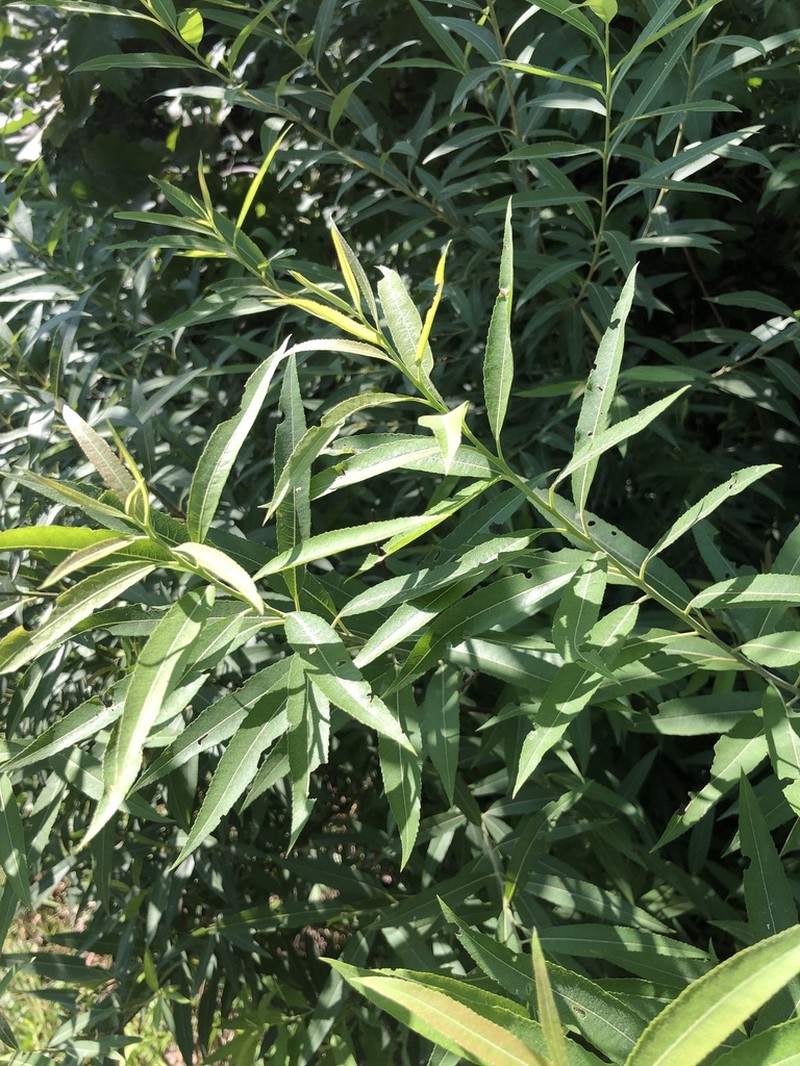
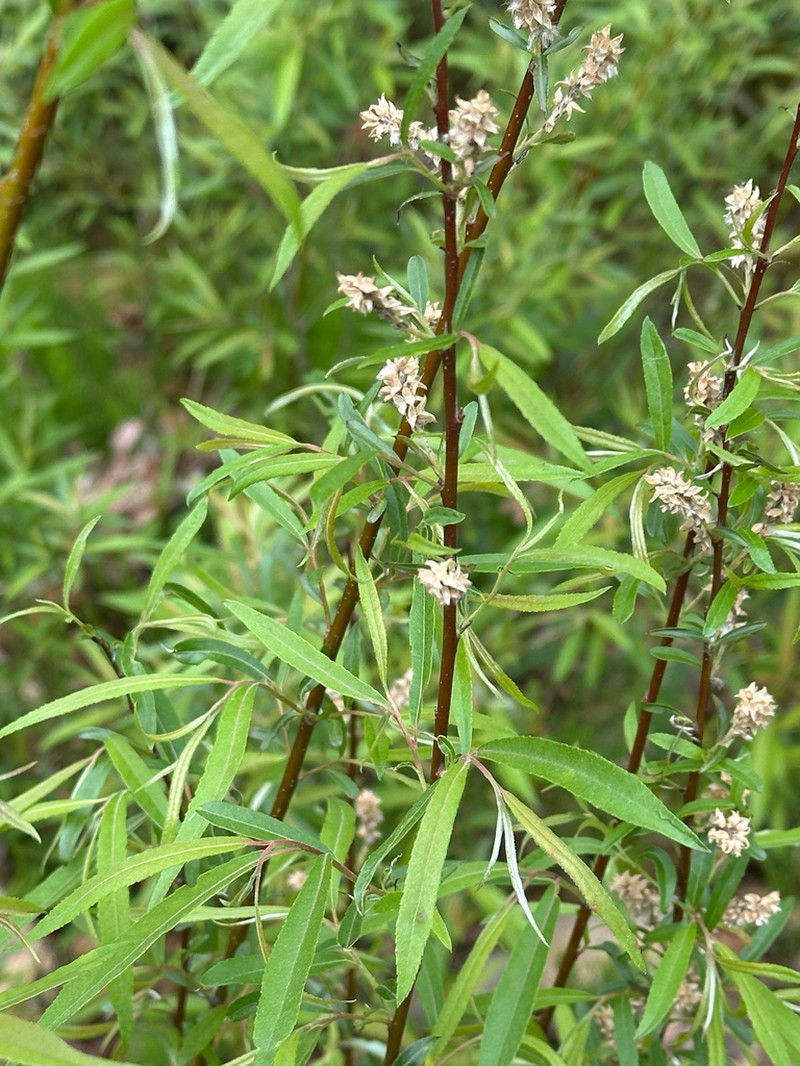
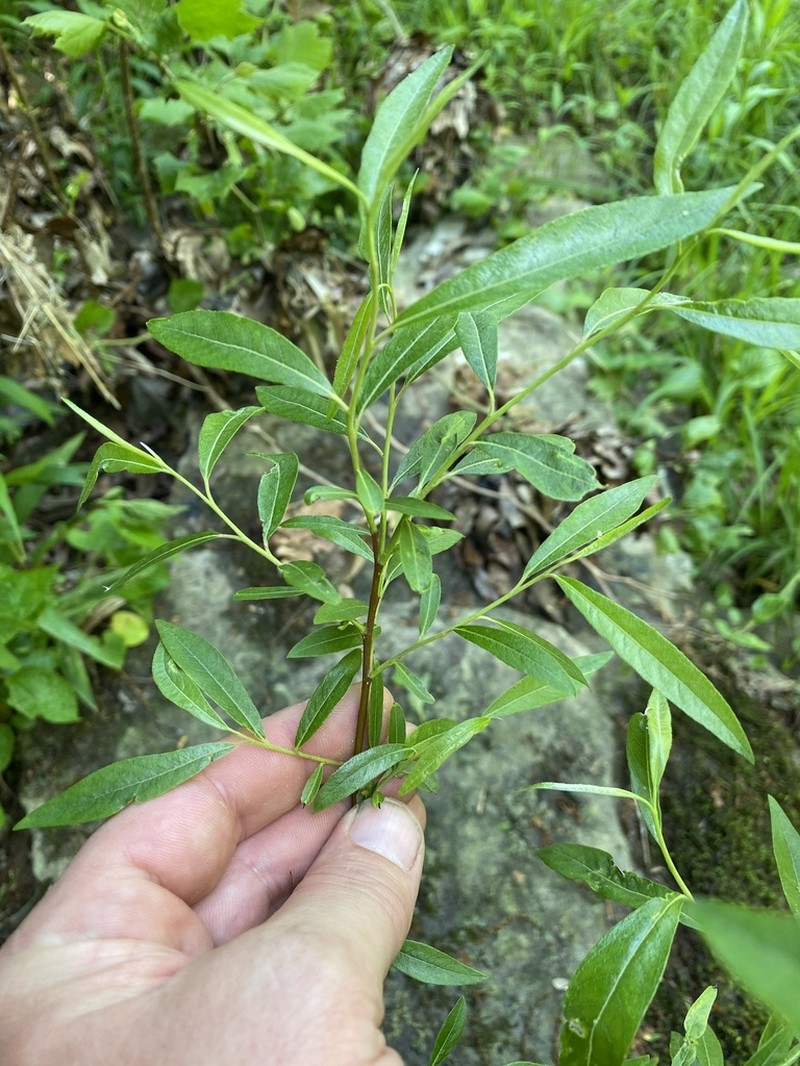
Taxonomy
- Division:
- Magnoliophyta | - Flowering plants
- Family:
- Salicaceae
- Genus:
- Salix
- Species:
- Salix sericea
- USDA Symbol:
- SASE
Growth Characteristics
- Life Cycle:
- Perennial
- Growth Habit:
- Shrub , Tree
- Height:
- 400 cm
- Light Requirements:
- Full Sun,Part Shade,Shade
- Drought Tolerance:
- Low
- Bloom Months:
- mar,apr,may
- Bloom Colors:
- yellow, green
- Landscaping Shrub:
- Yes
Wildlife Benefits
- Bees:
- ★☆☆☆☆ Documented bee visitation (GBIF)
- Butterflies & Moths:
- ★★★☆☆ Documented Lepidoptera association (GBIF)
- Caterpillars:
- ★☆☆☆☆ Recorded caterpillar host plant (HOSTS Database)
Keystone Species Ranking
- Caterpillar Keystone:
- ★★★★★ Butterfly & moth species supported by this genus (NWF)
- Pollen Specialist Bee Keystone:
- ★★★★★ Native pollen specialist bee species supported by this genus (NWF)
Host Plant for Caterpillars
One-eyed sphinx (Smerinthus cerisyi), Acadian Hairstreak (Satyrium acadicum)
Garden & Ecology Notes
- Wildlife Value:
- bees, butterflies, birds, small mammals
Soil Requirements
- Soil Type:
- moist, fertile, silty or sandy loam
- pH:
- 5.5 - 7.0 (slightly acidic to neutral)
- Drainage:
- tolerates poor drainage
- Moisture:
- consistently moist
- Notes:
- Commonly found in wetlands and riparian zones
Propagation & Germination
- Stratification:
- Cold/moist stratification required — 30–60 days
- Germination Time:
- 14–30 days
- Notes:
- Seeds are short-lived and should be sown fresh; no pretreatment needed if sown immediately.
Pre-treatment: The bottom end of each cutting was dipped in a solution of Dip N Grow rooting hormone. The solution was made by combining 1 part liquid rooting compound with 10 parts water.
Establishment: Healthy whips of silky willow were collected in the spring from within the boundaries of the Monongahela National Forest near Bartow, WV. The plant is widely distributed in the eastern half of the US and eastern Canada.
Source: npn.rngr.net