
Sugar Maple
Acer saccharum
- Native to:
- Canada, Prince Edward I., United States, Virgin Islands
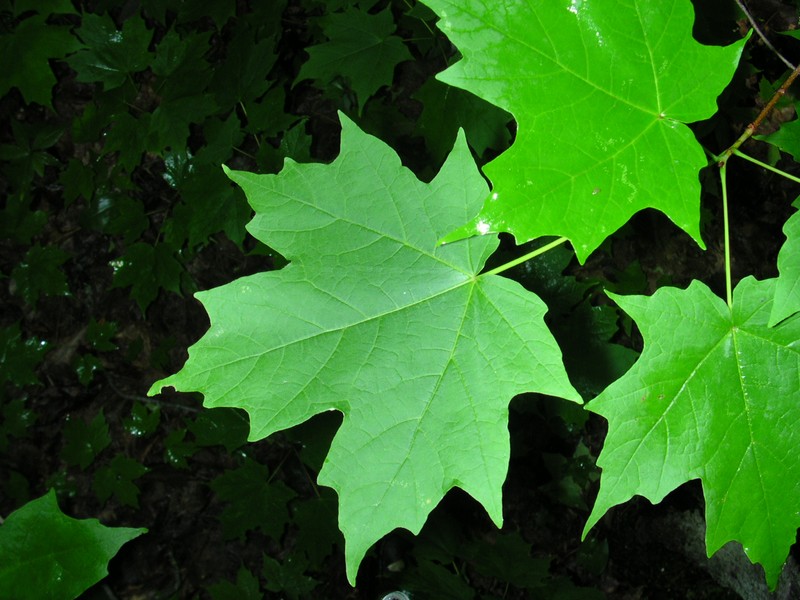
Superior National Forest (www.flickr.com)
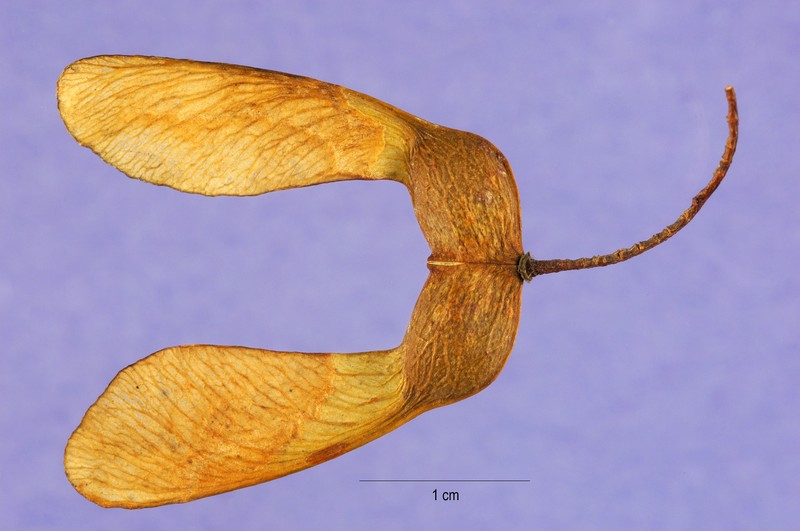
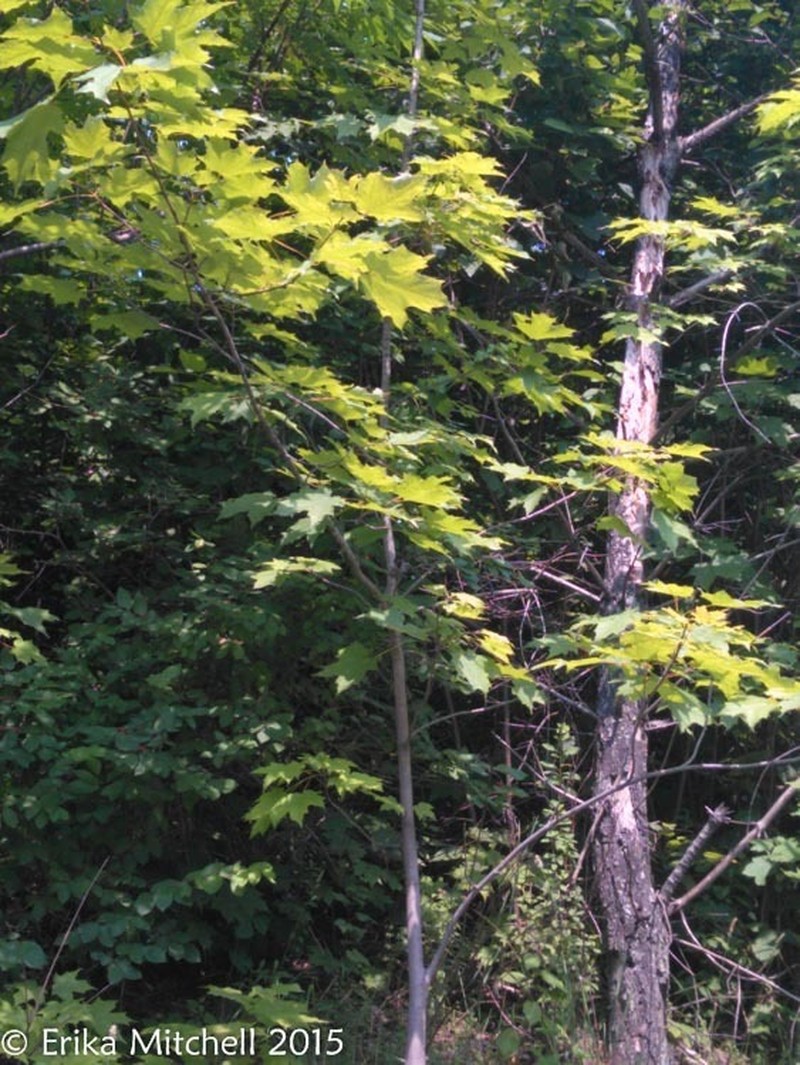
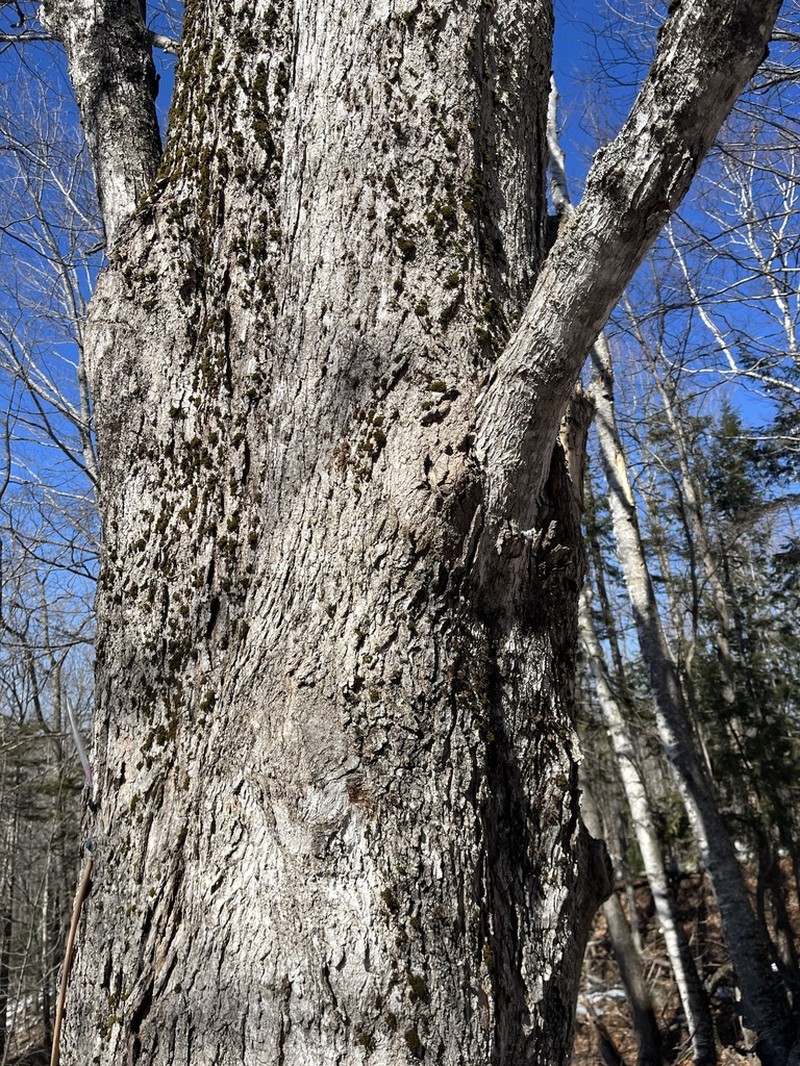

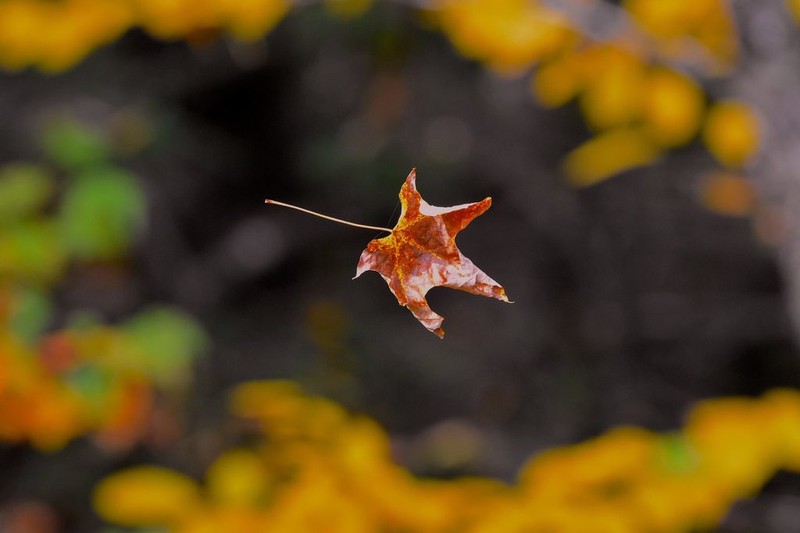
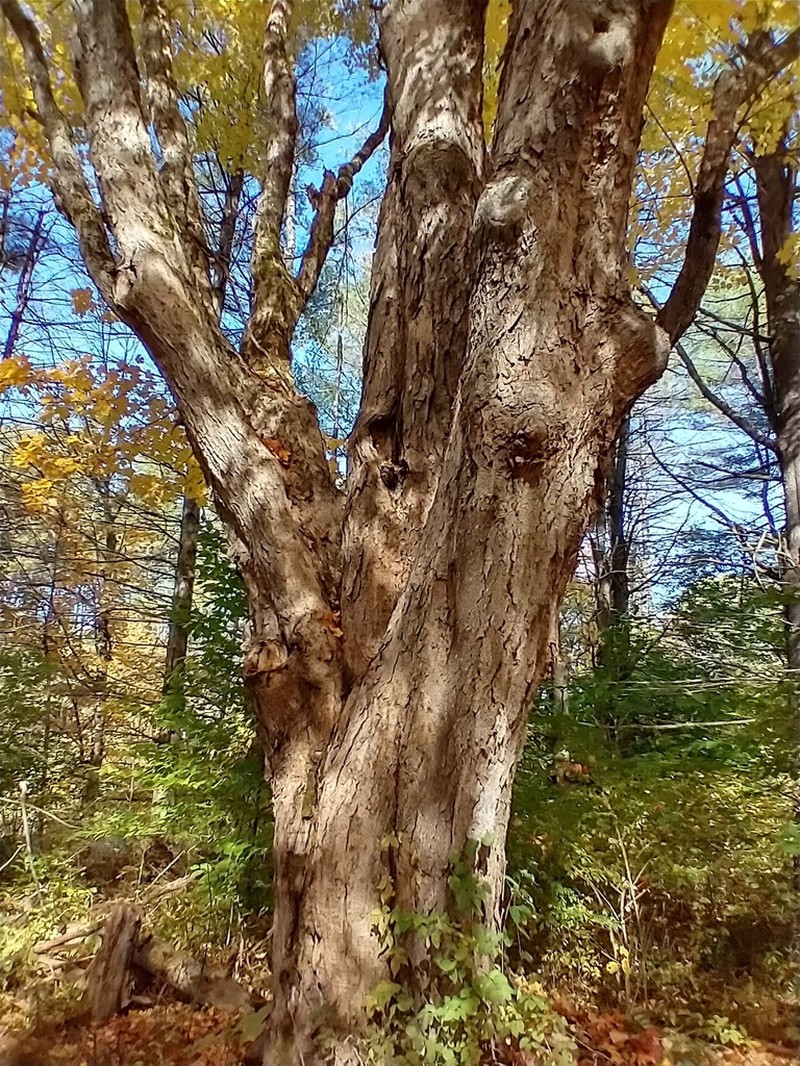
Taxonomy
- Division:
- Magnoliophyta | - Flowering plants
- Family:
- Sapindaceae
- Genus:
- Acer
- Species:
- Acer saccharum
- USDA Symbol:
- ACSA3
Growth Characteristics
- Life Cycle:
- Perennial
- Growth Habit:
- Shrub , Tree
- Height:
- 3500 cm
- Light Requirements:
- Full Sun,Part Shade,Shade
- Drought Tolerance:
- Medium
- Bloom Months:
- apr,may
- Bloom Colors:
- yellow-green
Wildlife Benefits
- Bees:
- ★☆☆☆☆ Documented bee visitation (GBIF)
- Butterflies & Moths:
- ★★★★★ Documented Lepidoptera association (GBIF)
- Caterpillars:
- ★★★★★ Recorded caterpillar host plant (HOSTS Database)
Keystone Species Ranking
- Caterpillar Keystone:
- ★★★★★ Butterfly & moth species supported by this genus (NWF)
Host Plant for Caterpillars
Acronicta dactylina, American Dagger Moth (Acronicta americana), Ashen Pinion (Lithophane antennata), Baltimore bomolocha moth (Hypena baltimoralis), Bethune's Pinion (Lithophane bethunei), broken-banded leafroller (Choristoneura fractivittana), Bruce spanworm (Operophtera bruceata), Caloptilia umbratella, Cecropia moth (Hyalophora cecropia), Chain-lined geometer moth (Cingilia catenaria), chalybeana leafroller moth (Acleris chalybeana), common lytrosis moth (Lytrosis unitaria), Confused Morrisonia (Morrisonia confusa), Copper Underwing (Amphipyra pyramidoides), Dark-spotted Palthis (Palthis angulalis), Dasychira obliquata, Dichomeris ligulella, Eastern Tent Caterpillar (Malacosoma americana), elm spanworm moth (Ennomos subsignaria), fall cankerworm (Alsophila pometaria), Fall webworm (Hyphantria cunea), Forest Tent Caterpillar (Malacosoma disstria), Garman Quaker (Orthosia garmani), Gypsy moth (Lymantria dispar), Heterocampa biundata, Hickory Tussock Moth (Lophocampa caryae), Imperial Moth (Eacles imperialis), Isabella tiger moth (Pyrrharctia isabella), Itame pustularia, lemon plagodis (Plagodis serinaria), Limbata angle moth (Nematocampa limbata), Linden looper (Erannis tiliaria), Luna moth (Actias luna), maple borer (Synanthedon acerni), Maple leaf blotch miner (Cameraria aceriella), maple leafcutter moth (Paraclemensia acerifoliella), maple looper moth (Parallelia bistriaris), Maple spanworm (Ennomos magnaria), maple trumpet skeletonizer (Catastega aceriella), maple twig borer (Proteoteras aesculana), maple-basswood leafroller (Sparganothis pettitana), Morning-glory prominent moth (Schizura ipomoeae), Morrisonia latex, Mottled Prominent (Macrurocampa marthesia), Nameless Pinion (Lithophane innominata), Norman's Quaker (Crocigrapha normani), Obliquebanded leafroller (Choristoneura rosaceana), Olethreutes glaciana, Olethreutes nigranum, Orthosia revicta, Peridea basitriens, Peridea ferruginea, Phyllonorycter clemensella, Phyllonorycter lucidicostella, Polyphemus moth (Antheraea polyphemus), Porcelain Gray (Protoboarmia porcelaria), Proteoteras moffatiana, Red Maple Borer (Synanthedon acerrubri), red-humped oakworm moth (Symmerista canicosta), retarded dagger moth (Acronicta retardata), Rosy Maple Moth (Dryocampa rubicunda), Saddled Prominent (Heterocampa guttivitta), sharp-lined tussock moth (Dasychira dorsipennata), Sparganothis acerivorana, spiny looper moth (Phigalia titea), Spotted Tussock Moth (Lophocampa maculata), sugarcane leafminer (Glaucolepis saccharella), sugarcane leafminer (Cameraria saccharella), Symmerista leucitys, tawny brown carpet moth (Anacamptodes ephyraria), three-lined leafroller (Pandemis limitata), ugly-nest caterpillar moth (Archips cerasivorana), Virginia Tiger Moth (Spilosoma virginica), White-marked Tussock Moth (Orgyia leucostigma), woodland leafroller (Pandemis lamprosana)
Reported Fauna Sightings
Bees: ⚠️Western honey bee (Apis mellifera) Moths:American Dagger Moth (Acronicta americana), Cecrita guttivitta, Cecropia moth (Hyalophora cecropia), Forest Tent Caterpillar (Malacosoma disstria), Gypsy moth (Lymantria dispar), Maple leaf blotch miner (Cameraria aceriella), maple leafcutter moth (Paraclemensia acerifoliella), maple trumpet skeletonizer (Catastega aceriella), Morrison's sallow (Eupsilia morrisoni), Polyphemus moth (Antheraea polyphemus), Promethea silkmoth (Callosamia promethea), Rosy Maple Moth (Dryocampa rubicunda), sugarcane leafminer (Glaucolepis saccharella) Butterflies:Eastern Comma (Polygonia comma), ⚠️Monarch butterfly (Danaus plexippus), Mourning Cloak (Nymphalis antiopa), White Admiral (Limenitis arthemis)
Garden & Ecology Notes
- Wildlife Value:
- birds, small mammals
- Fall Color:
- yellow, orange, red
Soil Requirements
- Soil Type:
- rich, well-drained loamy soil
- pH:
- 5.5 - 7.3 (slightly acidic to neutral)
- Drainage:
- good drainage preferred
- Moisture:
- consistently moist
- Notes:
- prefers deep, fertile soils
Propagation & Germination
- Stratification:
- Cold/moist stratification required — 60–90 days
- Germination Time:
- 30–60 days
- Notes:
- Seeds require cold stratification; germination occurs in spring after stratification.
Pre-treatment: Seeds are placed in cold moist stratification for 72 days
Source: npn.rngr.net
Where to Buy
Nationwide Seller
- Sheffield's Seed (seeds)