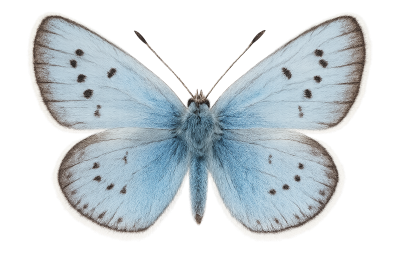
Acer saccharum var. saccharum
Acer saccharum var. saccharum
- Native to:
- Canada | NB, NS, ON, PE, QC | Prince Edward I. | United States | AR, CT, DC, DE, IA, IL, IN, KS, KY, MA, MD, ME, MI, MN, MO, MS, NC, ND, NE, NH, NJ, NY, OH, OK, PA, RI, SC, SD, TN, VA, VT, WI, WV | Virgin Islands
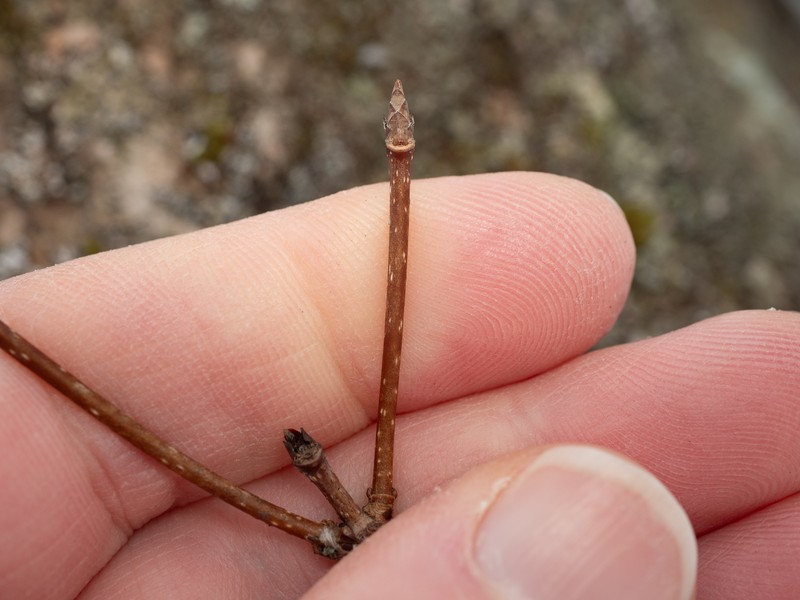
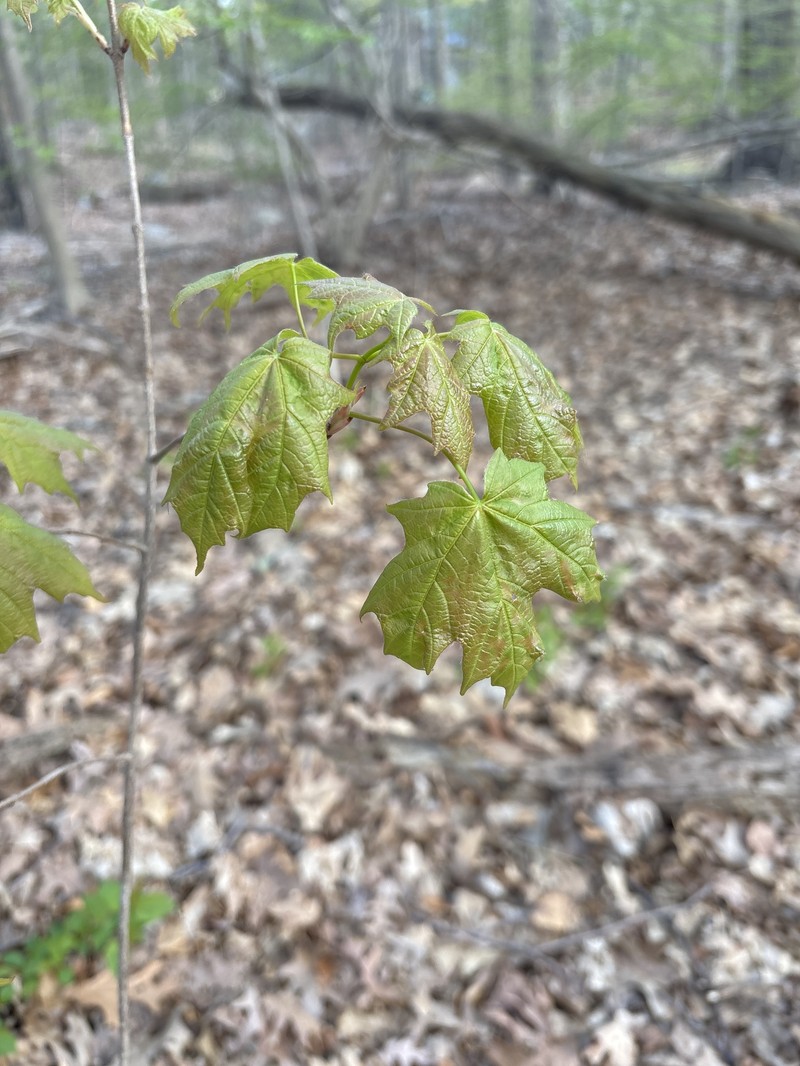
GBIF: Erik Danielsen
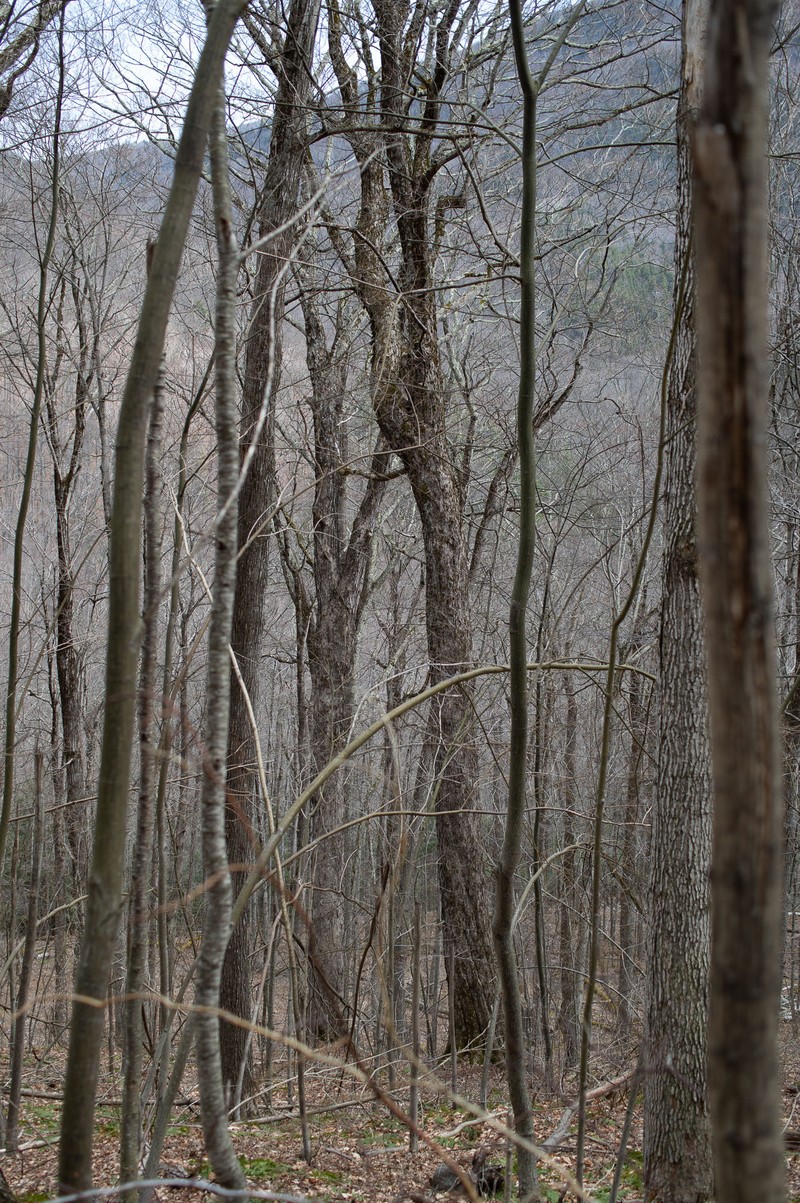
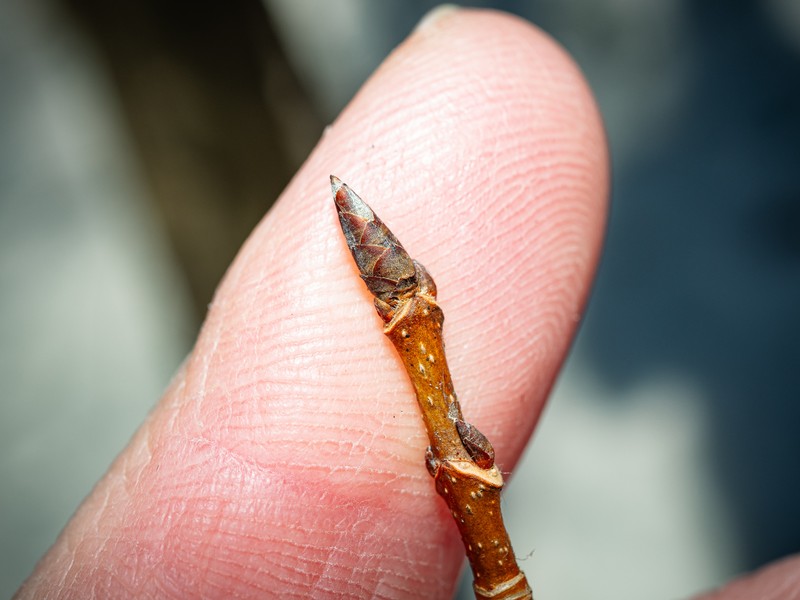
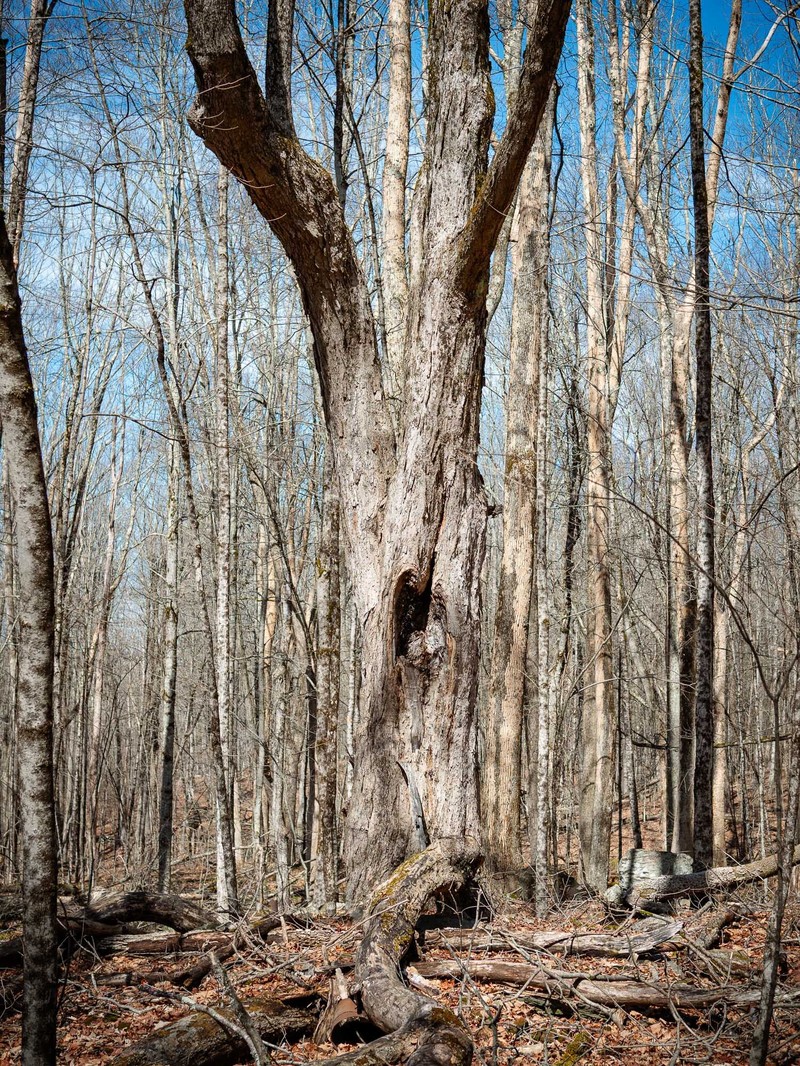
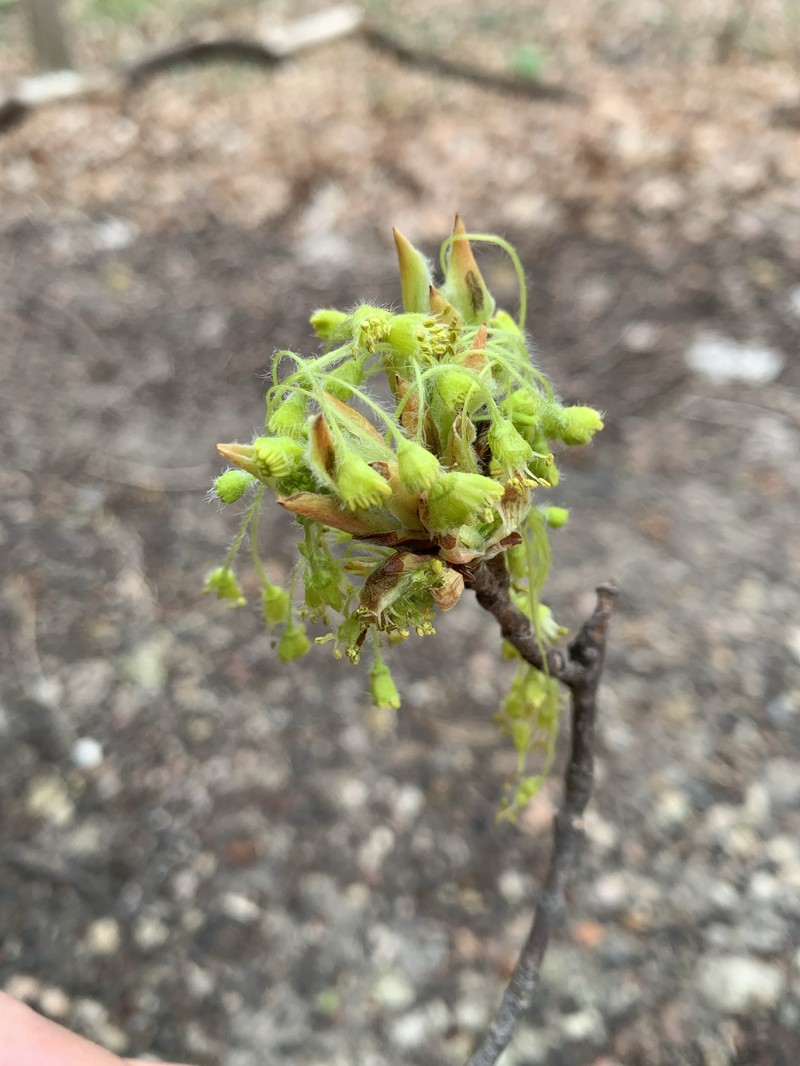
Taxonomy
- Division:
- Magnoliophyta | - Flowering plants
- Family:
- Sapindaceae
- Genus:
- Acer
- Species:
- Acer saccharum var. saccharum
Growth Characteristics
- Growth Habit:
- Tree
- Height:
- 3500 cm
- Drought Tolerance:
- Medium
- Bloom Months:
- apr,may
- Bloom Colors:
- yellow-green
Keystone Species Ranking
- Caterpillar Keystone:
- ★★★★★ Butterfly & moth species supported by this genus (NWF)
Garden & Ecology Notes
- Wildlife Value:
- birds, squirrels, chipmunks, deer, cavity-nesting birds
- Fall Color:
- yellow, orange, red
- Fire Notes:
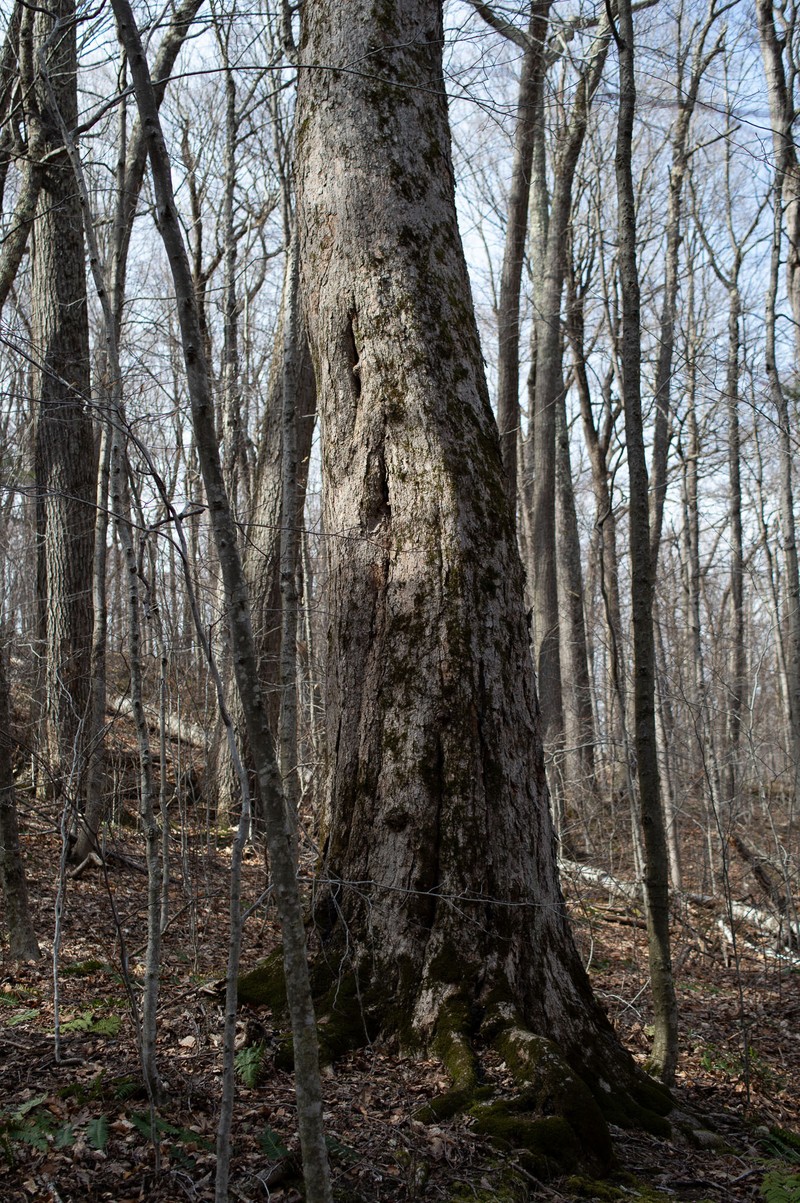
- Thin bark makes mature trees susceptible to fire damage. Saplings may resprout from base if top-killed, but species is generally fire-sensitive.
Source: Claude claude-sonnet-4-5-20250929 Batch
Propagation & Germination
- Stratification:
- Cold/moist stratification required — 60–120 days
- Germination Time:
- 14–90 days
- Notes:
- Seeds require cold-moist stratification and germinate best with fluctuating temperatures. Fresh seed germinates better than stored seed.
Source: Claude claude-sonnet-4-5-20250929 Batch