
California Buckeye
Aesculus californica
- Native to:
- United States
Eric Hunt
Taxonomy
- Division:
- Magnoliophyta | - Flowering plants
- Family:
- Sapindaceae
- Genus:
- Aesculus
- Species:
- Aesculus californica
- USDA Symbol:
- AECA
Growth Characteristics
- Life Cycle:
- Perennial
- Growth Habit:
- Shrub , Tree
- Height:
- 1200 cm
- Light Requirements:
- Full Sun,Part Shade
- Drought Tolerance:
- High
- Bloom Months:
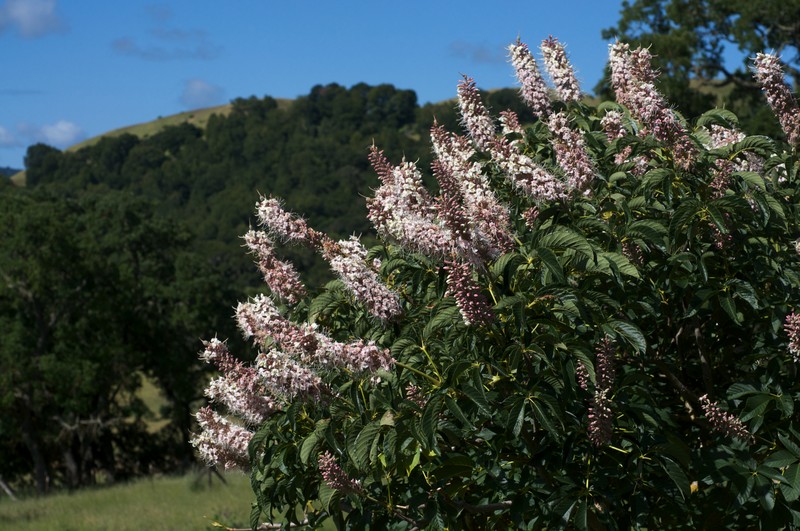
- apr,may,jun
- Bloom Colors:
- white, pink
Wildlife Benefits
- Bees:
- ★★★☆☆ Documented bee visitation (GBIF)
- Butterflies & Moths:
- ★★☆☆☆ Documented Lepidoptera association (GBIF)
- Caterpillars:
- ★★☆☆☆ Recorded caterpillar host plant (HOSTS Database)
- Hummingbirds:
- ★☆☆☆☆ Documented hummingbird visits (GBIF)
Host Plant for Caterpillars
Archips rileyana, fruit-tree leafroller (Archips argyrospila), Obliquebanded leafroller (Choristoneura rosaceana), orange tortrix moth (Argyrotaenia franciscana), Orthosia pacifica, Sabulodes caberata, Holly Blue (Celastrina argiolus)
Reported Fauna Sightings
Bees: ⚠️Western honey bee (Apis mellifera) Hummingbirds: Anna's Hummingbird (Calypte anna), Calliope Hummingbird (Selasphorus calliope) Butterflies:California Sister (Adelpha californica), California tortoiseshell (Nymphalis californica), Echo Azure (Celastrina echo), Gray Buckeye (Junonia grisea), Hedgerow Hairstreak (Satyrium saepium), Lon melane, Lorquin's Admiral (Limenitis lorquini), Painted Lady (Vanessa cardui), Pale Swallowtail (Papilio eurymedon), Papilio multicaudata, Pipevine Swallowtail (Battus philenor), Propertius Duskywing (Erynnis propertius), Red Admiral (Vanessa atalanta), Rural Skipper (Ochlodes agricola), Variable checkerspot (Euphydryas chalcedona), Western Tiger Swallowtail (Papilio rutulus)
Garden & Ecology Notes
- Wildlife Value:
- birds, butterflies, small mammals
- Deer Resistant:
- Yes
- Fragrant:
- Yes
- Fall Color:
- yellow
- Fire Ecology:
- Fire adapted — tolerates or benefits from fire
- Fire Notes:
- Mature trees can resprout from the base after fire; seedlings establish in post-fire conditions.
Soil Requirements
- Soil Type:
- well-drained, rocky or sandy loam
- pH:
- 5.5 - 7.5 (slightly acidic to neutral)
- Drainage:
- excellent drainage required
- Moisture:
- dry to moderate
- Notes:
- native to dry slopes and foothills
Propagation & Germination
- Stratification:
- Cold/moist stratification required — 60–90 days
- Germination Time:
- 30–60 days
- Notes:
- Seeds benefit from cold stratification for 60-90 days to break dormancy.
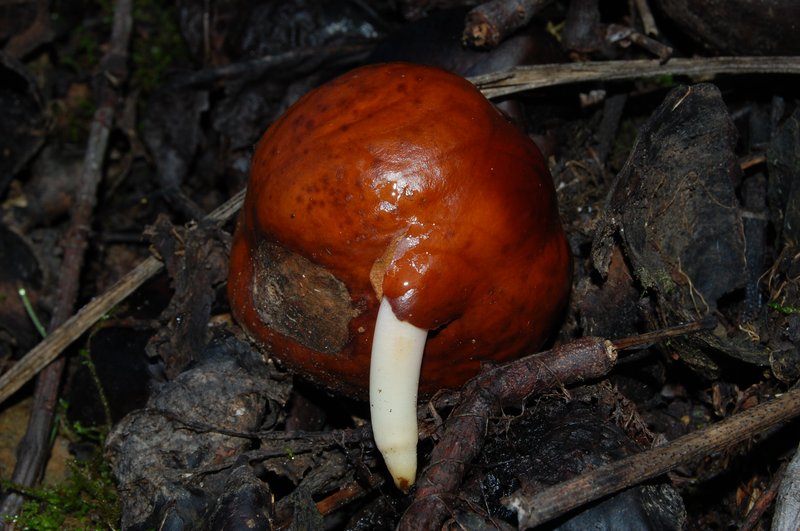
Pre-treatment: Seeds are soaked in water for 24 hours, then placed in a 5% bleach solution for 1 minute. After rinsing well, seeds are placed in sterile perlite in a plastic freezer bag and kept in a refrigerator for 6 to 8 weeks. Seeds are sown as radicle emerges.
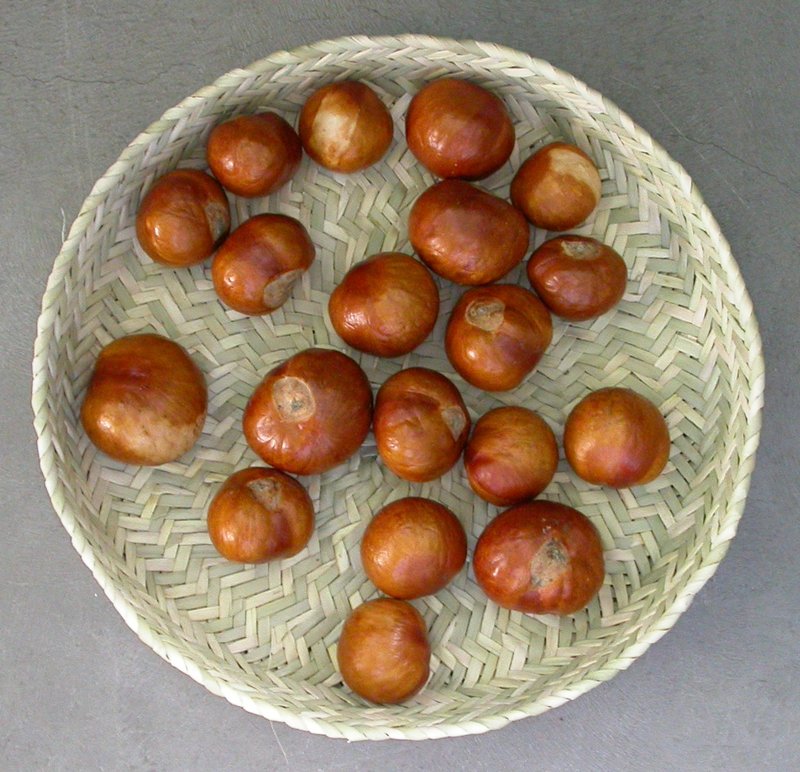
Establishment: Seeds are collected between September 1st and December 1st. The plant is found in dry slopes and canyons below 4000 ft in the Coast ranges and Sierra Nevada from Siskiyou and Shasta counties south to Los Angeles and Kern counties, California.
Source: npn.rngr.net
Where to Buy
Nationwide Seller
- Sheffield's Seed (seeds)